

U.S. Venezuela Oil Deal Raises Questions on China, Russia
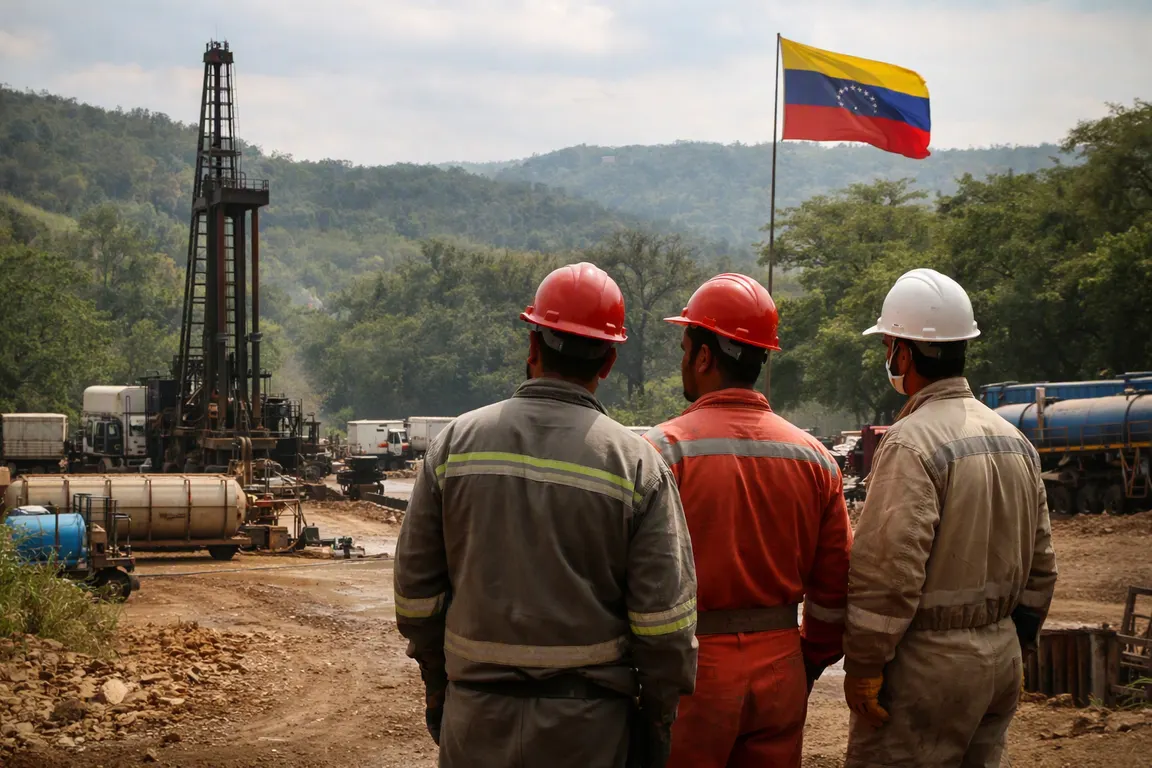
Washington is weighing a U.S. Venezuela oil deal that would give U.S. companies a stake in Venezuela’s Orinoco oil basin. The proposal is still under discussion and has sparked a debate over whether it will curb the influence of China, Russia and Cuba, or entrench a new elite in Caracas.
The timing is notable. Venezuela’s interim government is working toward elections and economic stabilization, and a U.S. presence in its oil sector could reshape regional energy markets and affect how oil revenues fund public services. Analysts say the arrangement could signal a broader shift in how Washington engages with resource‑rich states that retain authoritarian legacies.
Proponents argue the partnership would limit rival powers’ grip on Venezuelan oil. They point to growing Chinese and Russian investments that deepened after Venezuela’s 2018 economic collapse and contend a U.S. foothold would provide a strategic counterweight.
Critics warn the deal resembles Russia’s 1990s “loans‑for‑shares” program, which transferred state assets to private hands and entrenched an oligarchic structure. A Wall Street Journal editorial noted the proposal lacks concrete safeguards and could create a new Venezuelan elite, limiting the benefits of oil wealth for ordinary citizens.
Former President Donald Trump previously advocated a similar approach, describing a U.S. role in Venezuelan oil as a hedge‑fund‑style investment, according to National Review. Others emphasize that any private‑sector participation would need strict oversight to prevent elite capture.
If U.S. firms gain access to Orinoco production, international oil markets could see a modest shift in supply expectations. More immediately, Venezuelans could feel changes in how oil revenue is allocated, potentially affecting public services, inflation and social programs. However, without a finalized agreement, those outcomes remain speculative.
Regional actors are watching closely. Cuba, China and Russia have built diplomatic and economic ties with Caracas over the past decade. A perceived U.S. encroachment may prompt those nations to recalibrate their strategies, either by deepening existing agreements or seeking new avenues of influence.
State Department officials confirm negotiations are ongoing, but no draft legislation has been introduced in Congress. Lawmakers who favor a hard‑line stance on China and Russia have expressed support, while others caution that any agreement must include robust anti‑corruption safeguards.
The next steps will likely involve detailed contract negotiations and congressional oversight hearings. Until those processes conclude, observers will watch to see whether the partnership becomes a bulwark against rival powers or a blueprint for entrenched elite control in Venezuela’s fledgling democracy.