

U.S. Treasury launches weekly Iran sanctions, warns China
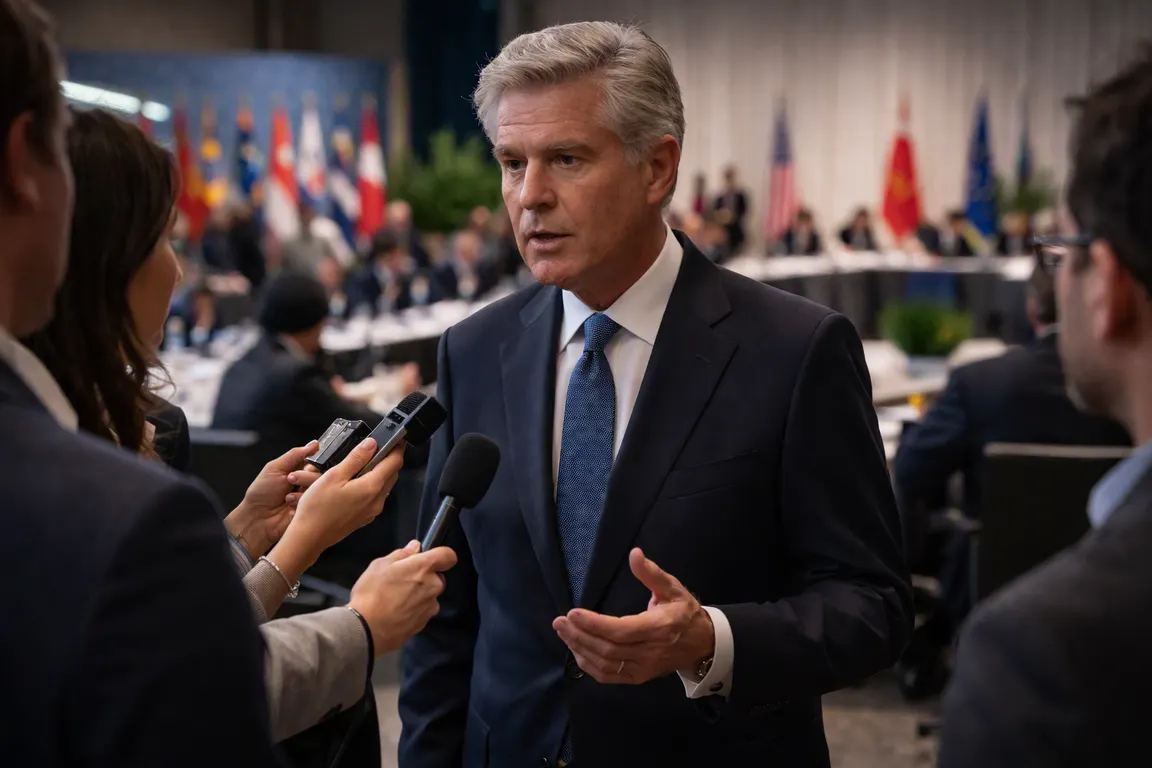
Washington announced on Aug. 31 that the Treasury will issue weekly Iran sanctions on Iran‑linked entities, beginning with the United Arab Emirates branches of Egypt’s Banque Misr. The move was unveiled at a G20 finance ministers’ meeting in Asheville, N.C., where Treasury Secretary Scott Bessent also warned that a $1.2 trillion trade surplus gives China an “unfair advantage” and urged members to press Beijing to boost domestic consumption.
The weekly sanctions cycle is designed to “choke Iran’s financial lifelines.” Targeted entities receive a 30‑day remediation window before penalties take effect. The first round focuses on the UAE branches of Banque Misr, which the Treasury says have ties to Iran’s Ministry of Defence and the Islamic Revolutionary Guard Corps. No other UAE banks were named, but officials indicated that nearly 60 Iran‑linked entities, many based in China, could appear on future lists under the operation dubbed “Economic Outcast.”
For banks with exposure to Iran‑linked counterparties, the schedule demands continuous monitoring and rapid response. Compliance teams will need to update screening software, reassess client risk profiles and allocate resources to meet the short remediation window. Multinational institutions already navigating complex sanctions regimes may see a significant rise in operational costs.
The Chinese angle adds further complexity. The administration is preparing a 7.5 percent tariff on additional Chinese goods, which would bring total U.S. tariffs on China to roughly 20 percent. Chinese Foreign Ministry spokesman Guo Jiakun said trade differences should be resolved through dialogue and denied that China seeks a trade surplus. If G20 members coordinate pressure, Chinese exporters could face reduced demand, prompting Beijing to accelerate reforms aimed at boosting domestic consumption.
UAE‑based customers of Banque Misr could lose access to U.S. dollar clearing services, forcing them to route transactions through alternative corridors. Iranian ministries and the IRGC would lose a conduit for moving money through the UAE banking system, tightening the financial isolation Washington has pursued for years. Investors are likely to see heightened volatility in emerging‑market sovereign bonds and commodities linked to Iranian oil as sanctions tighten and Chinese trade policy remains in flux.
The Treasury will publish a new sanctions list each week, with the next update expected within days. How G20 finance chiefs translate Bessent’s warning into concrete measures against China remains unclear, as does the timeline for implementing the 7.5 percent tariff. Both issues will shape the next round of policy decisions and test the resilience of global supply chains and financial markets.