

U.S. Seeks Details on Irkutsk Lab Technician Death
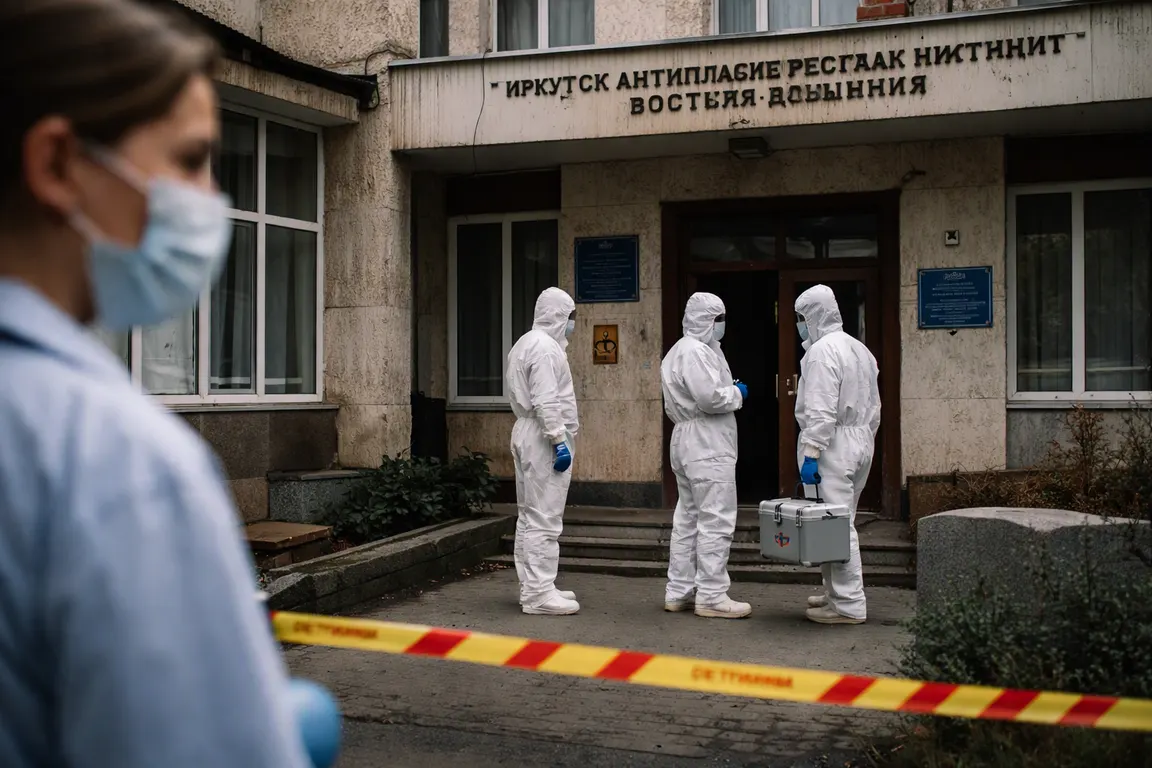
A 28‑year‑old laboratory technician at the Irkutsk anti‑plague institute died of pneumonia in early June, prompting Washington to demand more information about a possible pneumonic plague case. The Irkutsk lab technician death has moved beyond a regional health issue.
U.S. officials, including President Joe Biden and Secretary of State Antony Blinken, warned Moscow that withholding data could violate international health obligations. The World Health Organization (WHO) has assessed the risk as "moderate to low" and noted no confirmed plague cases in Irkutsk, creating uncertainty about the pathogen involved and the adequacy of Russia’s response.
The technician, identified as Darya Shipilova by the regional newspaper *People of Baikal*, was found to have died of pneumonia of an "undetermined" cause, according to Governor Igor Kobzev. Post‑mortem testing did not detect plague bacteria. The WHO’s June 26 statement echoed the governor’s findings, confirming no plague cases in the city and classifying the overall risk as moderate to low. Russia’s health watchdog, Rospotrebnadzor, later denied circulating any official documents on special anti‑plague measures, reinforcing the official line that the death was unrelated to a plague outbreak.
On June 27, President Biden said he would speak with President Vladimir Putin "very soon" about the case. That same day, Secretary Blinken, during a trip to Iceland, publicly urged Russia to share all relevant information, framing the request as a matter of international health obligations. The State Department followed with a confidential demarche on June 28, warning that non‑disclosure could contravene global health rules, according to a Wall Street Journal report.
Local reports suggest up to 200 contacts of the technician may be under medical monitoring, straining Irkutsk’s healthcare resources. Isolation capacity, testing supplies and staff time are being redirected to manage the monitoring effort, potentially affecting routine services in the Baikal region. International health agencies are watching the situation closely; the WHO’s risk rating informs guidance for travelers and U.S. public‑health agencies assessing any spill‑over potential.
The episode also highlights the fragility of U.S.–Russia cooperation on disease surveillance. While both nations have participated in joint exercises and data‑sharing agreements in the past, the current disagreement over the cause of Shipilova’s death raises questions about future collaboration. If Moscow continues to limit information, the United States may seek broader multilateral mechanisms, such as invoking the International Health Regulations, to obtain needed data.
Irkutsk is slated to host an international conference on plague and other infectious diseases on Oct. 21‑22, organizers say, unrelated to the recent death. The timing underscores the region’s ongoing role in studying zoonotic diseases but also adds pressure for transparent communication to avoid undermining confidence among attending scientists.
A scheduled call between President Biden and President Putin will determine whether Russia provides additional laboratory data or epidemiological details. Until that dialogue occurs, health officials on both sides will continue to monitor the situation, and local authorities in Irkutsk will maintain medical observation of contacts. The unresolved question remains: will the diplomatic exchange yield a clearer picture of the pathogen involved, or will it deepen the divide over how emerging infectious threats are managed across borders?