

U.S. Security Role in Greenland Stirs Diplomatic Silence
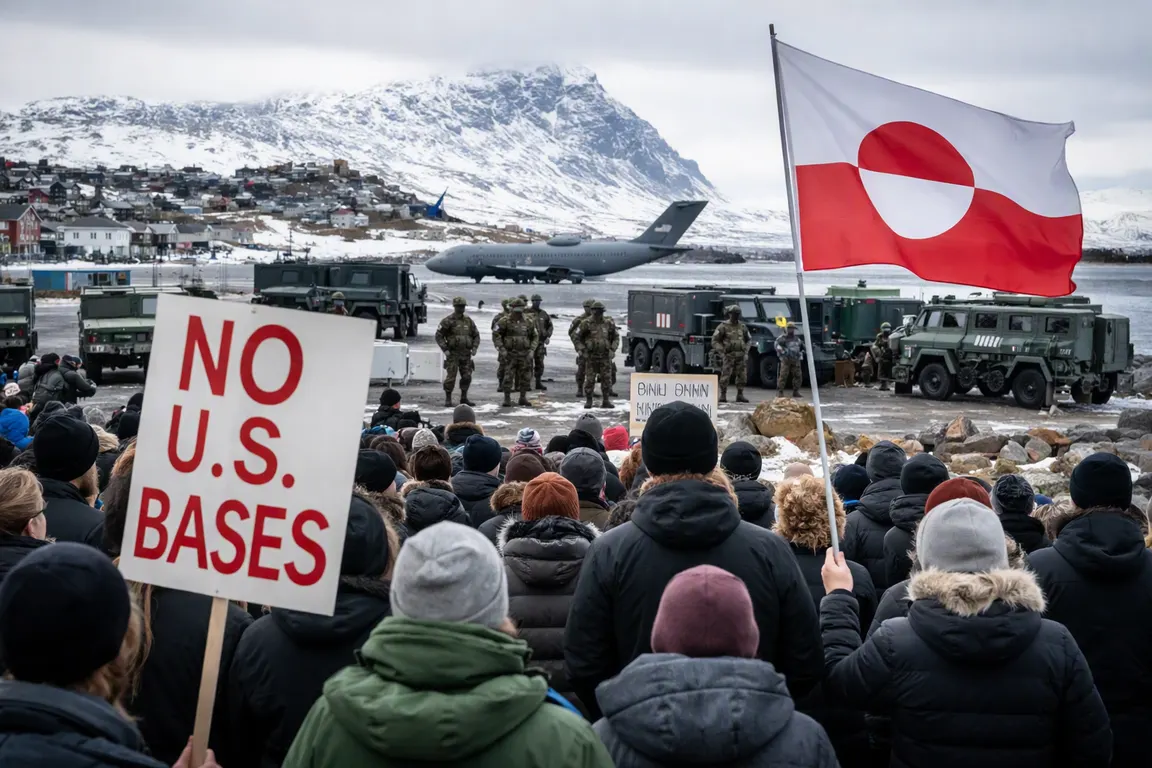
President Donald Trump told the nation that the United States has reached an agreement giving it a permanent security role in Greenland and that a "large" military presence will be built on the island. The remarks, delivered in a televised address, sparked protests in Nuuk and have so far drawn no comment from Denmark’s foreign ministry.
The claim comes as the Arctic draws increasing attention for its untapped resources, new shipping routes and heightened great‑power competition. Yet no treaty, congressional authorization or Danish statement has been released to substantiate the president’s assertion, leaving a policy gap that could affect Greenlandic autonomy, NATO planning and the European Union’s Arctic agenda.
Trump referenced a deal reported by the New York Post that would allow the United States to maintain a permanent security role in Greenland. In reality, the United States currently operates only Thule Air Base, a small installation in the island’s north. No formal agreement expanding that footprint has been made public. Greenland’s government has repeatedly said the island is "not for sale" and has rejected any notion of U.S. annexation. Local activists staged rallies with signs reading "Make Americans Go Away," underscoring community resistance to a potential military buildup.
The diplomatic context remains ambiguous. Earlier this year the European Union rebuked Trump’s proposal to purchase Greenland, but the EU has not issued a new statement on the recent claim. Denmark, which retains responsibility for Greenland’s foreign affairs, has offered no immediate response. Prior reporting noted anger in Copenhagen over annexation rhetoric, but the current silence leaves the official stance uncertain and raises questions about how Denmark will balance NATO obligations, domestic politics and Greenland’s self‑determination aspirations.
Strategic analysts say a sizable U.S. presence in Greenland would extend American reach in the Arctic, potentially reshaping patrol routes, surveillance capabilities and the logistics of defending NATO’s northern flank. Such a shift could prompt Canada, Norway and Russia to adjust their own Arctic strategies and would affect commercial interests tied to emerging shipping lanes and mineral extraction. For Greenlandic residents, expanded infrastructure raises concerns about land use, environmental protection and community safety.
The defense industry could benefit if policy moves beyond rhetoric, with contracts for Arctic‑ready facilities, ice‑capable vessels and cold‑weather logistics likely to increase. However, without a signed agreement or congressional funding, those opportunities remain speculative.
The next steps are expected to involve diplomatic outreach. Observers anticipate the United States will seek formal clarification from Denmark and possibly the Greenlandic government before any construction begins. Congressional committees may also request briefings to assess the legal and budgetary implications of a large‑scale deployment. Until a treaty or legislative action is disclosed, the president’s claim remains a contested narrative that highlights the growing strategic importance of the Arctic and the complex interplay between U.S. ambitions, Greenlandic self‑determination and European diplomatic response.