

U.S. sanctions Iran finance, shipping and tech firms
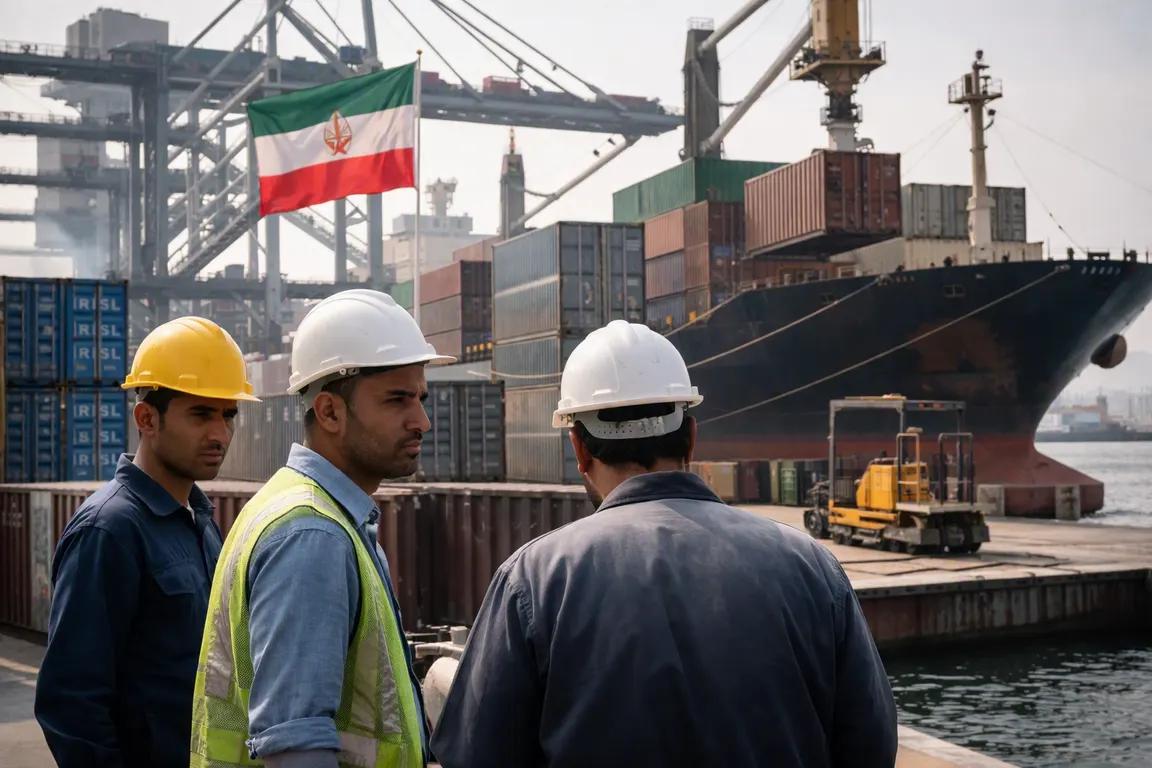
Washington announced a new round of U.S. sanctions Iran on March 4, 2024, adding nearly 60 Iran‑linked companies to a blacklist and revoking licenses for personal remittances and university‑level academic exchanges. The package, dubbed Operation Economic Outcast, extends secondary sanctions to finance, shipping and technology activities that support Tehran’s oil and petrochemical sectors.
The Treasury’s move tightens the legal net around third‑party firms that do business with the listed entities. By threatening to freeze assets and cut off access to the U.S. financial system, the United States hopes to deter foreign partners from facilitating Iran’s trade. The list includes several shipping companies, a handful of banks tied to Tehran’s state‑run financial system and technology firms that have supplied equipment for Iran’s petrochemical projects.
U.S. officials describe the measures as the most severe economic action taken against Iran to date. Analysts, however, note that the sanctions stop short of the "toughest sanctions ever" promised by the previous administration. The limited scope appears designed to avoid collateral damage to markets in China, India, Russia and the United Arab Emirates—countries that have historically helped Iran bypass earlier U.S. pressure.
The new rules also target vessels that transport Iranian goods and firms that provide technology services for Iran’s oil‑related projects. Licenses previously granted for personal remittance flows and for academic exchanges were revoked, cutting off a modest but symbolically important channel of soft‑power engagement.
Critics argue the sanctions are calibrated to prevent a shock to global commodity markets. Iran’s oil exports represent a small share of world supply, but any further curtailment could spark price volatility. Firms in the United Arab Emirates, India and Russia that have built logistics chains for Iranian oil and non‑oil goods may now face higher compliance costs, prompting a shift toward alternative routes that are harder to monitor.
For Iranian businesses and individuals, the immediate impact is tighter cash flow. Remittance bans limit expatriates’ ability to send money home, and the suspension of academic‑exchange licenses hampers collaborative research projects and student mobility. Companies that relied on the listed shipping firms must scramble to find new partners or risk secondary sanctions themselves.
Tehran has repeatedly shown an ability to adapt, leveraging deep trade ties with China and other partners to offset U.S. pressure. Whether Operation Economic Outcast will force a meaningful policy shift in Tehran depends on how rigorously the secondary sanctions are enforced and whether allied governments align their own compliance regimes.
The Treasury says it will monitor the response of targeted entities and may issue additional licensing guidance in the coming weeks. Observers will watch for any uptick in Iranian oil prices and for signs that third‑party firms begin to disengage. Until those signals emerge, the efficacy of the so‑called economic D‑Day remains uncertain.