

U.S. Review Puts Sea Lion Oil Project in Legal Limbo
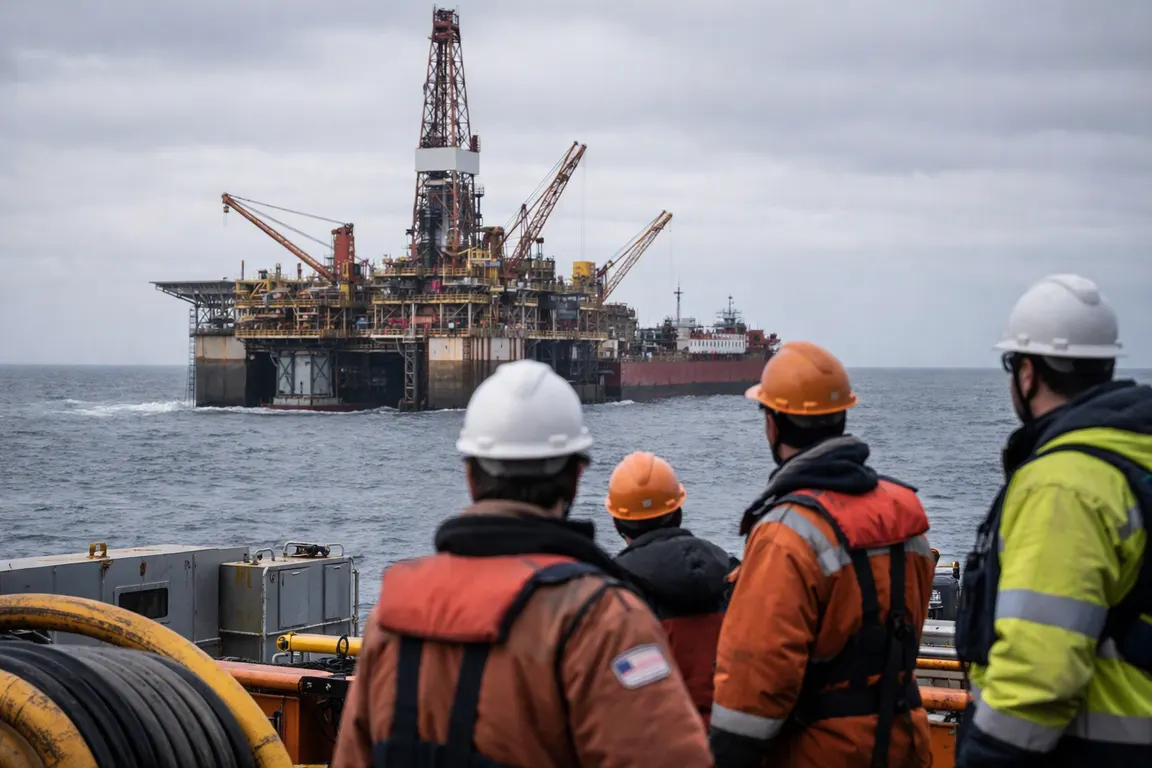
Washington’s reconsideration of its neutral stance on the Falkland Islands threatens to stall the multibillion‑dollar Sea Lion oil project and could reshape the United Kingdom’s diplomatic leverage in NATO talks.
On Sept. 4 Argentine President Javier Milei issued a decree sanctioning firms developing the Sea Lion field, while U.S. President Donald Trump announced that the United States is "under review" of its position on the islands. The simultaneous moves raise the prospect of delayed drilling, frozen assets and new legal battles.
The Sea Lion project targets an estimated 1.7 billion barrels of oil about 140 miles north of the Falklands. Ownership is split between Israel’s Navitas Petroleum (65 %) and London‑listed Rockhopper Exploration (35 %). Both companies say they hold licences issued by the Falkland Islands government and have downplayed Milei’s sanctions as unlikely to affect development. However, the Argentine decree adds legal uncertainty that could deter investors and complicate financing.
Milei’s decree follows a pattern of escalating rhetoric that began in April 2026 when he pledged to reclaim the territory. Early September, Trump signaled that the United States was reconsidering its long‑standing neutral stance, linking any shift to NATO’s new defence‑spending target of 2 percent of GDP. Analysts cited by ZeroHedge and The Telegraph view the U.S. review as leverage to push the United Kingdom toward meeting that benchmark. No formal policy change has been published, but the suggestion of a shift has already prompted market observers to flag heightened risk for the Sea Lion venture.
Legal challenges have also emerged in Argentina. Veterans and environmental lawyers filed a lawsuit seeking an injunction against the project, invoking a United Nations resolution that bars unilateral exploitation of disputed territories. Argentine officials argue that the licences granted by the Falkland Islands government violate that resolution, while the UK and the companies contend the licences are lawful under the islands’ domestic legal framework.
For Navitas and Rockhopper, the stakes are substantial. The field is projected to generate billions of dollars in revenue over its lifespan, and the partnership represents a rare Israel‑UK joint venture in a geopolitically sensitive region. A freeze on assets or a withdrawal of financing could trigger contract renegotiations, higher insurance premiums and a reassessment of other offshore projects in the South Atlantic. Although the Argentine sanctions apply only within Argentine jurisdiction, they could cascade if the United States extends its review into export controls or secondary sanctions.
The broader implications extend beyond the oil field. A U.S. shift away from neutrality could weaken Britain’s diplomatic position on the Falklands, potentially affecting its leverage in NATO negotiations where the United Kingdom seeks to balance defence commitments with domestic budget constraints. Conversely, a firm U.S. stance supporting the status quo would reinforce the UK’s claim but risk alienating Argentina, a key regional trade partner.
The next decisive step will be the outcome of the U.S. internal review, expected to be reported to Congress later this month. Simultaneously, Argentine courts are set to hear the injunction request in the coming weeks. Both proceedings will determine whether the Sea Lion project proceeds on schedule, faces prolonged legal limbo, or is abandoned altogether, leaving investors and governments to navigate an increasingly complex diplomatic and economic terrain.