

U.S. pauses Russia energy sanctions waiver, Ukraine aid at
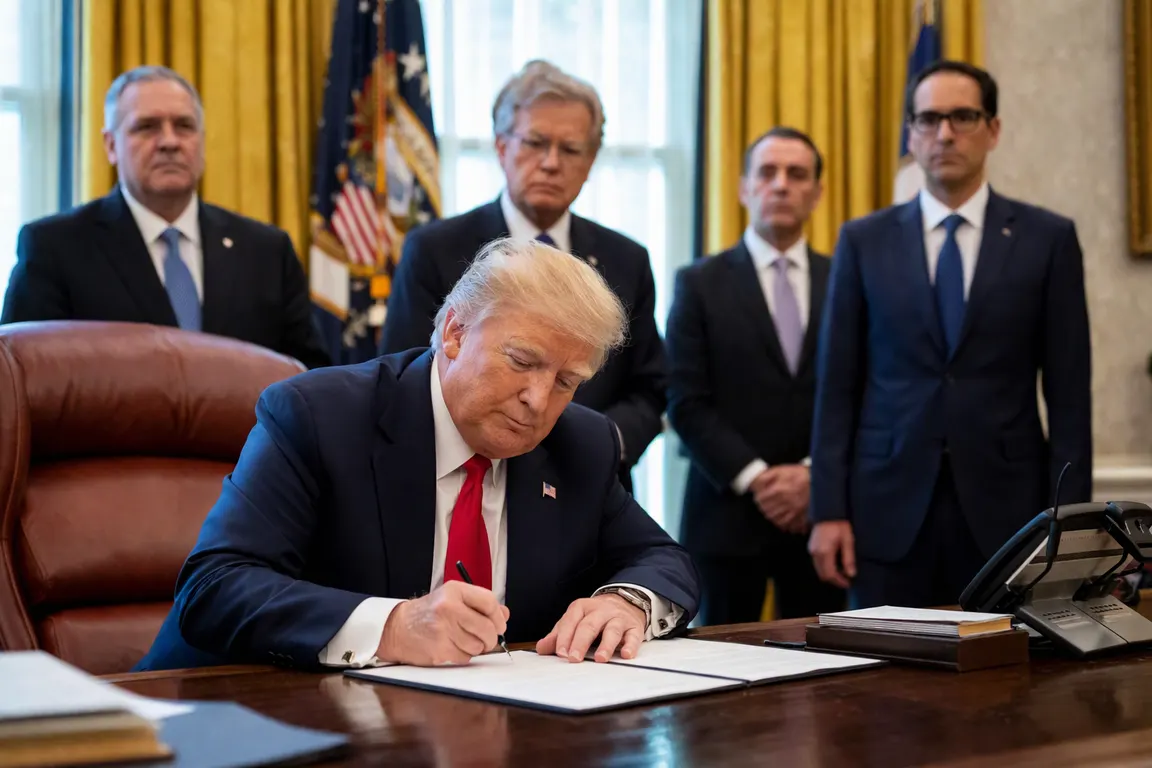
President Donald Trump issued an executive order on May 31 that temporarily suspended the duties and related sanctions imposed by the bipartisan Lindsey Graham Act on buyers of Russian oil and gas. The Russia energy sanctions waiver came two days before the law’s June 2 enforcement deadline and a week after reports of a diesel‑sale arrangement between the United States and Moscow.
The sanctions were intended to cut revenue that funds Russia’s war in Ukraine. By pausing them, the United States removed a key economic lever just as Kyiv is asking allies for an additional €70 billion (about $79 billion) to fund its 2025 defense budget. The move also adds uncertainty to global energy markets and prompts questions about U.S. foreign‑policy priorities ahead of the 2024 mid‑term elections.
The Lindsey Graham Act, signed by Trump in March, authorized up to 100 percent duties on major purchasers of Russian oil and gas. The May 31 order waived those duties and other energy‑related sanctions, effectively nullifying the act’s impact. The waiver followed a reported diesel‑sale deal between the United States and Russia, though the financial terms remain undisclosed.
Ukrainian President Volodymyr Zelensky has cited the waiver in his appeal to the European Union for extra funding, warning that reduced Western pressure could weaken Ukraine’s ability to finance weapons, communications equipment such as SpaceX’s Starlink, and humanitarian aid. In early June, Zelensky asked EU leaders for €70 billion, citing a deteriorating security and humanitarian situation. EU officials, including Portugal’s Prime Minister Antonio Costa and Dutch Minister Rob Jetten, publicly condemned the U.S. decision and reiterated the need for continued pressure on Moscow.
The policy reversal has immediate market implications. European consumers could see short‑term relief if Russian diesel imports increase, but analysts warn that easing restrictions may distort longer‑term price signals and undermine coordinated sanctions. U.S. oil and gas firms stand to benefit from the ability to source Russian diesel without punitive duties, potentially widening the competitive gap with European rivals still bound by EU sanctions.
In early June, Russian strikes on the Ukrainian regions of Kherson and Zaporizhzhia killed at least 18 civilians, including an 11‑year‑old girl, underscoring the ongoing threat to civilians when diplomatic pressure eases. Moscow’s state revenue from energy sales is expected to rise, providing additional resources that could be diverted to the war effort.
European allies are exploring alternative financing for Ukraine, including the continued use of frozen Russian central‑bank assets—estimated at €200 billion—though Belgium has opposed direct allocation to Kyiv. The EU’s own sanctions regime remains in place, and several member states have pledged to maintain or increase aid independent of U.S. policy.
The proximity of the waiver to the enforcement deadline and the mid‑term election cycle has sparked speculation about domestic political calculations, but officials have offered no detailed rationale. What is clear is that the United States has removed a critical diplomatic tool at a moment when Ukraine’s military and humanitarian needs are intensifying.
Congress could intervene to reinstate duties or pass new legislation, while the EU is expected to press for a coordinated response that isolates Russia despite the U.S. pause. Observers will watch whether the diesel‑sale arrangement expands and how much revenue it generates for Moscow, as those factors will shape both the battlefield in Ukraine and the broader energy‑market landscape.