

U.S. Military Presence in Greenland Secures Permanent Bases
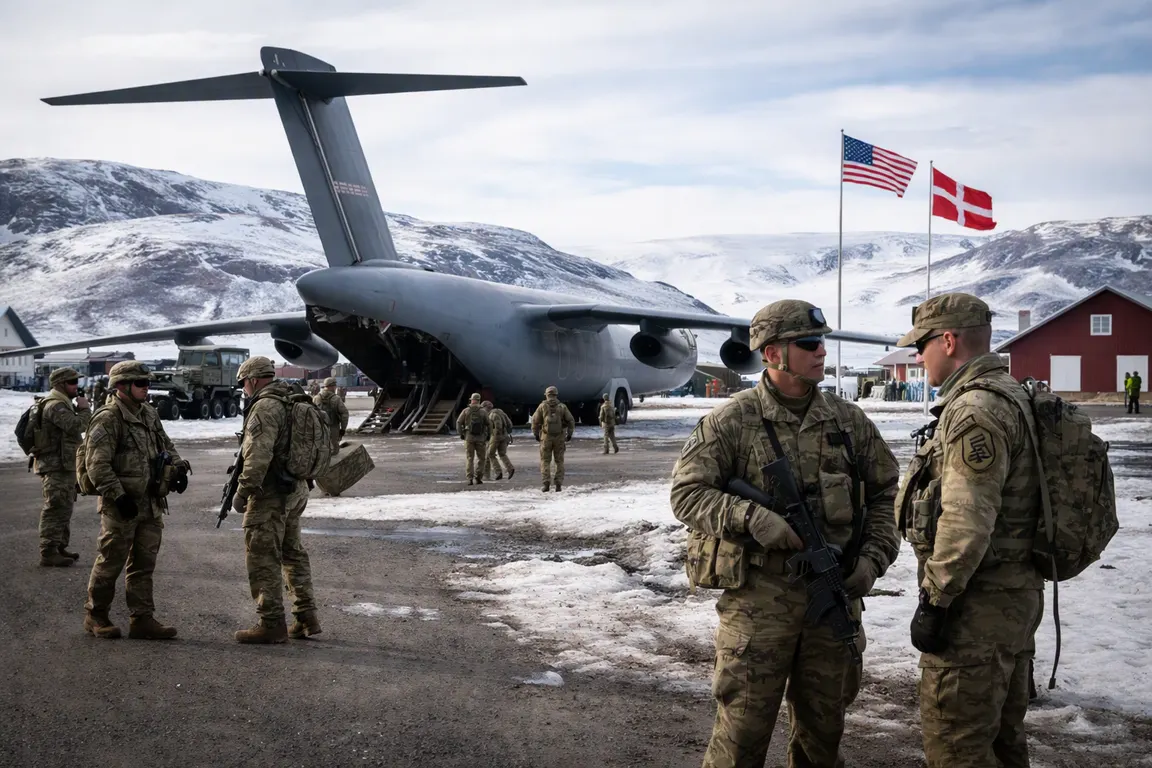
Washington and Copenhagen announced Tuesday that the United States will assume permanent security responsibility for Greenland, reopening two Cold‑War‑era bases and stationing troops at a Danish outpost on the island. The agreement formalizes a long‑standing U.S. interest in the Arctic archipelago’s strategic location and mineral wealth, and it marks a clear step toward a permanent U.S. military presence Greenland can support NATO’s northern flank and emerging sea routes.
The deal, signed by President Donald Trump, Greenlandic officials and Danish representatives, obligates the United States to refurbish Thule Air Base and a smaller decommissioned installation, and to deploy forces to a Danish‑run sled‑dog outpost previously used for scientific monitoring. Troop numbers and construction timelines were not disclosed.
Greenland, home to about 56,000 residents, holds semi‑autonomous status within the Kingdom of Denmark. Danish officials say the arrangement respects Greenland’s self‑government while granting the United States broad authority to operate military assets and coordinate defense planning. Critics in Denmark’s parliament warn the pact could strain relations with the island’s Inuit population, whose hunting grounds and fragile environment could be affected.
The strategic calculus is clear. Russia has increased Arctic patrols, and China has labeled the region a “near‑sea” strategic interest, investing in ports and ice‑breaker fleets. A forward U.S. presence on Greenland would bolster NATO’s ability to monitor the Greenland‑Iceland‑Norway corridor, a key route for submarines and surface vessels. Analysts note the reopened bases could serve as early‑warning stations, logistics hubs and air‑refueling platforms.
Local reactions are mixed. Greenlandic leaders acknowledge potential security benefits but call for transparent environmental assessments and community consultation. NGOs have urged independent impact studies, citing the island’s delicate ecosystems and the sensitivity of its growing mining sector.
NATO allies have generally welcomed the development as a reinforcement of collective defense, though some have cautioned against escalating tensions with Russia and China. The United States has not outlined a detailed response plan for possible counter‑measures.
The next step is a joint U.S.–Danish task force that will draft a schedule for reopening the bases and integrating the new outpost into existing Arctic surveillance networks. Until that plan is released, questions remain about the scale of troop deployment, safeguards for Greenlandic communities and the long‑term impact on the Arctic’s geopolitical balance.