

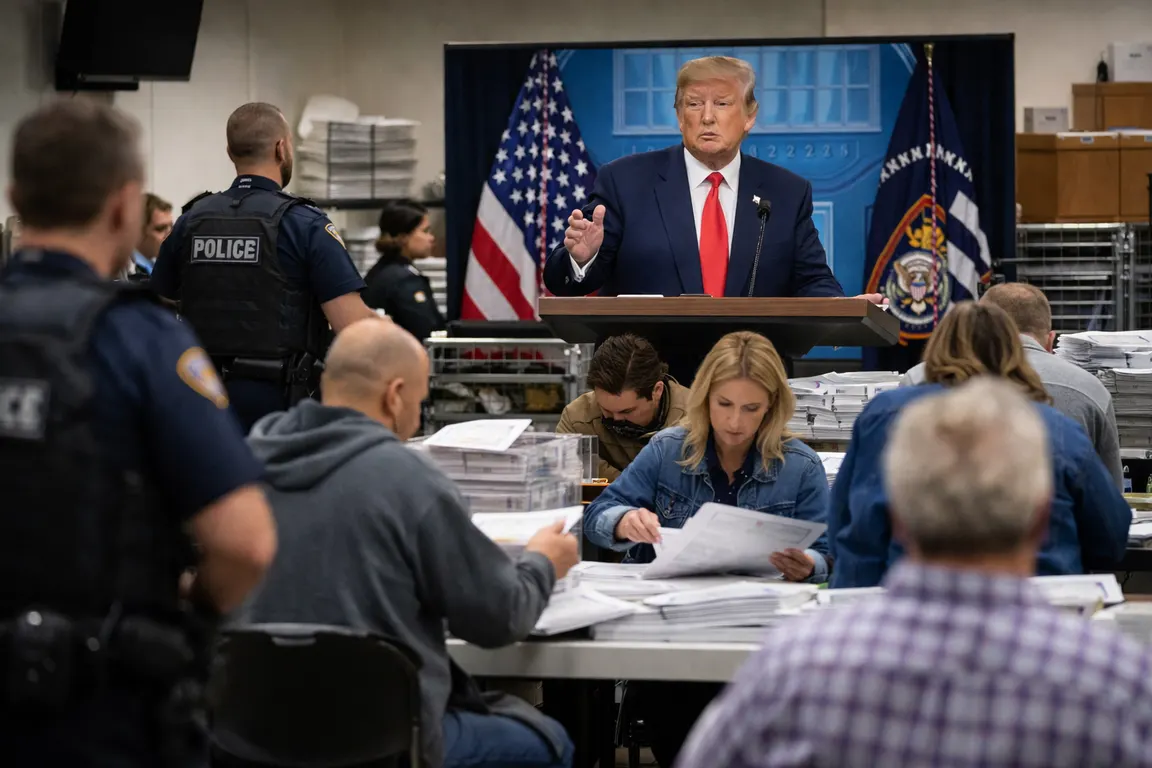
President Trump's recent White House address on election security has raised concerns about the integrity of the upcoming US midterms. The president's claims about election fraud have sparked debate among experts, with many considering them unsubstantiated and a threat to public confidence in the elections. Trump claimed that China had acquired 220 million US voter files, a claim Beijing denied, calling it a 'pure fabrication and malicious smear'. This assertion is not supported by evidence, and over 60 lawsuits related to the 2020 election found no proof of fraud capable of changing the outcome. Trump's claim that the 2020 election was 'rigged' has also never been substantiated.
The proposed SAVE America Act, which Trump is pushing, would require proof of citizenship to register to vote and photo identification at polling places. This could potentially impact voters, particularly those who may be disenfranchised. Election law expert Rick Hasen called Trump's claims 'unsupported' and 'surprisingly weak', highlighting the disagreement between the president and experts on the issue.
The impact of Trump's claims on the electoral process and public confidence in the elections is uncertain. As the US midterms approach, voters, particularly those impacted by proposed changes to voting laws, are awaiting the outcome. The potential consequences of Trump's claims for the electoral process and public confidence in the elections remain to be seen.
Experts and officials are watching the situation closely, as the upcoming midterms are expected to be highly contested. The debate over election security and voting laws is likely to continue, with Trump's claims being a major point of discussion. The outcome of this debate could have significant implications for the electoral process and the future of US democracy.