

U.S. seeks majority control of Venezuela oil reserves
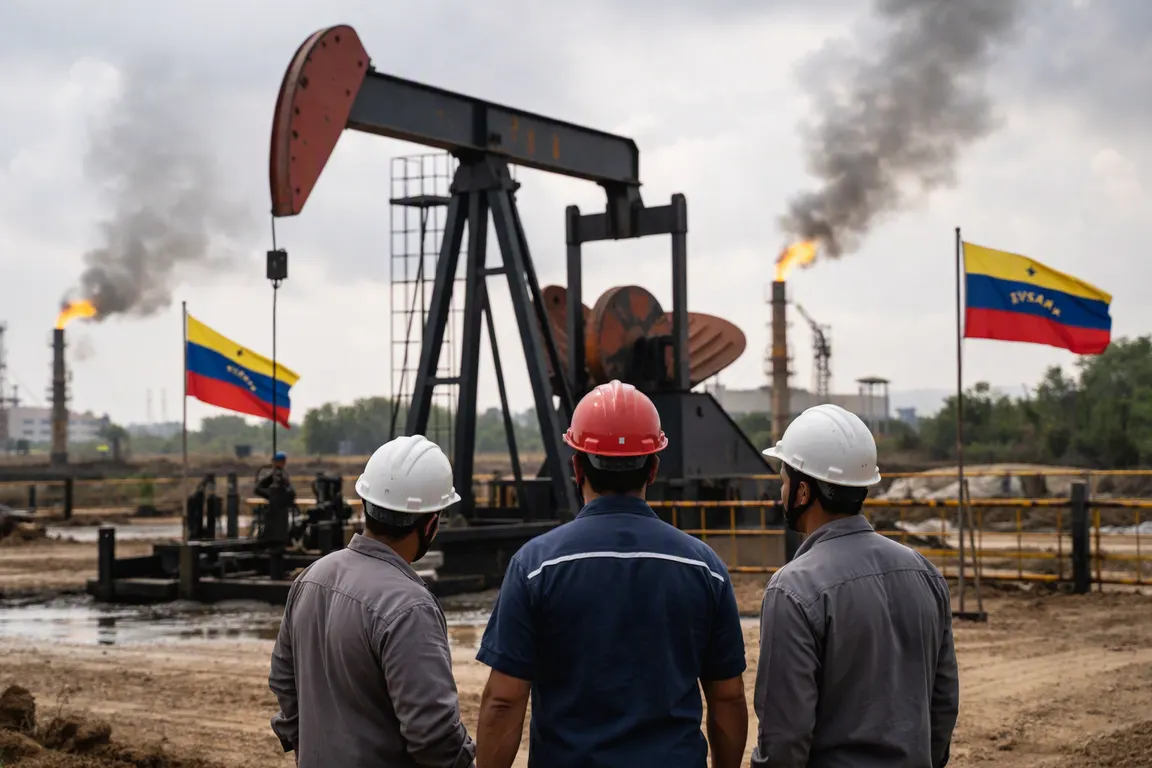
President Donald Trump announced Friday that a pending agreement would give the United States majority control of about 65 billion barrels of proven Venezuela oil reserves, the world’s largest reserve. The claim appeared in a Truth Social post and was echoed by Vice President Delcy Rodríguez, who called the deal historic and said it could attract more than $100 billion in private investment.
The statement comes as the Strategic Petroleum Reserve sits near a 40‑year low, prompting officials to tout the pact as a boost to national energy security ahead of the November midterm elections. Analysts note that even a partial claim on the reserves could roughly double the strategic stockpile, but the administration has not disclosed the legal mechanism that would enable the benefit.
Trump described the arrangement as “the biggest oil deal in world history” and said it would come at no cost to American taxpayers. Rodríguez added that the agreement would generate over $209 billion in tax revenue for Venezuela, figures reported only by the Manila Times and not yet confirmed by other outlets. The administration has not clarified whether the United States would own the assets outright, lease them, or operate under a joint‑venture structure.
University of Texas researchers highlighted the absence of a concrete timeline or legal instrument, calling the proposal “still in the conceptual stage.” Senator Marco Rubio – mistakenly identified by some reports as Secretary of State – and Defense Secretary Pete Hegseth were cited as key negotiators in early‑July talks with Rodríguez. Those discussions, reported by Axios, focused on private‑sector access to the fields rather than a formal transfer of title.
Chevron remains the only U.S. oil company currently producing in Venezuela, having raised output to 280,000 barrels per day in July with a target 50 percent increase by 2028. The new deal is expected to open additional fields to other U.S. firms, but security concerns and deteriorated infrastructure pose significant risks.
If private investment materializes, U.S. companies could gain entry to high‑potential reservoirs while Venezuela hopes to revive an economy crippled by sanctions and hyperinflation. The Manila Times statement did not name the firms that would participate, and analysts caution that investors will demand clear protections against political volatility and operational hazards. Without a binding contract, the “majority control” claim may remain rhetorical, the University of Texas expert warned.
Consumers are watching for any impact on gasoline prices. Trump asserted that the added reserves would help lower costs, yet no independent analysis has linked the agreement to short‑term price movements. The Energy Information Administration projects that even a substantial increase in reserves would take years to affect the domestic market, given the time required to develop the fields and transport the crude.
The deal also has implications for OPEC. A shift in ownership of a large portion of Venezuelan output could alter production quotas and price volatility, but the immediate effect on global markets will depend on how quickly the United States can secure operating rights and bring the fields online.
The next concrete step will be drafting a legal instrument—whether a lease, joint venture or sale—that defines ownership, revenue sharing and regulatory oversight. Until that document is public, policymakers, investors and Venezuelan workers face an uncertain horizon regarding the promised economic revival and its true impact on U.S. energy security.