

U.S.-Iran UN Side Meeting Raises Oil Price Concerns
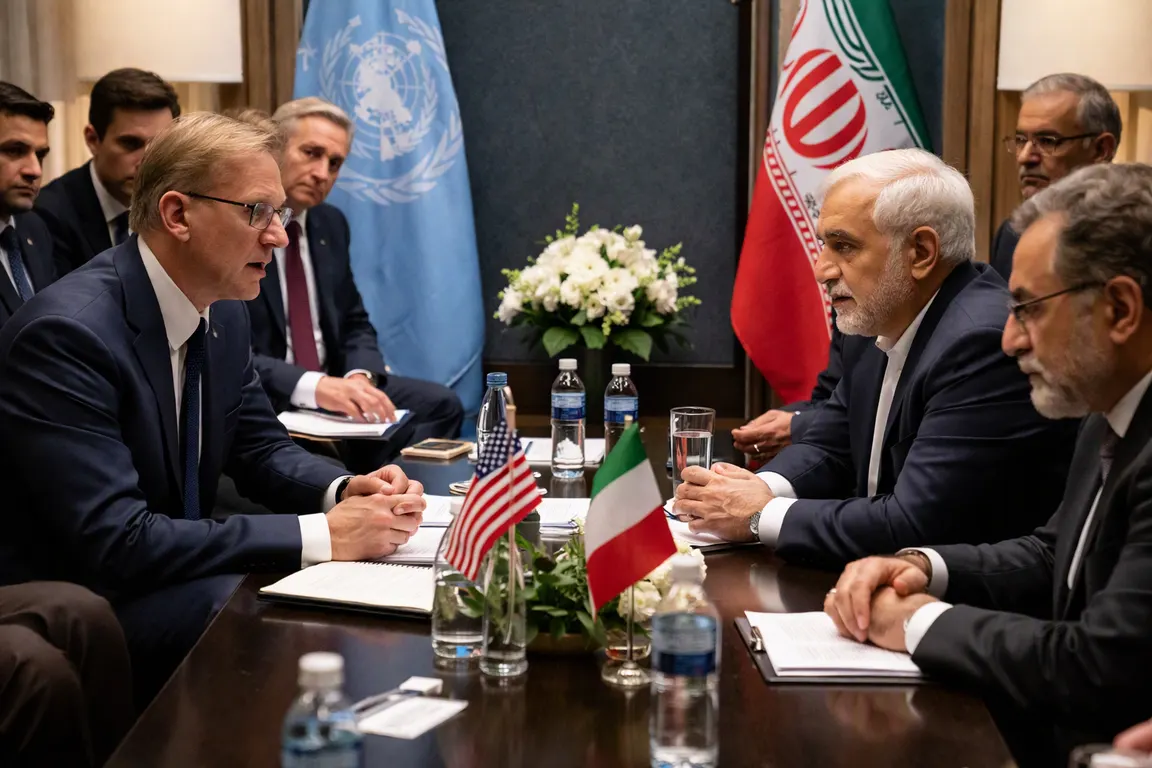
U.S. senior envoys met Iranian officials on the sidelines of the United Nations General Assembly on Sept. 23, hours after President Donald Trump warned the body that he could "annihilate" Iran if a deal was not reached. The U.S.-Iran UN side meeting offered a rare glimpse of back‑channel diplomacy in a war that has already pushed global oil prices above $95 a barrel and heightened security concerns across the Middle East.
With the 2024 U.S. midterm elections looming, any shift in the conflict’s trajectory carries immediate implications for energy markets, regional allies and domestic politics. Trump delivered his UN address on the opening day of the assembly, framing the seven‑month Iran‑U.S. war as a binary choice between a negotiated settlement and total destruction. Minutes after the speech, the Iranian delegation walked out of the plenary session, but a smaller Iranian team stayed in New York for a meeting with U.S. envoys Steve Witkoff and Jared Kushner. Trump later called the encounter "very good" but gave no details on the agenda or outcomes.
The meeting coincided with other U.S. diplomatic moves. Earlier in the week, Trump signed a security agreement expanding U.S. military presence in Greenland with Denmark and approved a sanctions bill targeting Russian oil and gas imports. Meanwhile, Saudi Arabia shut a key pipeline after an Iran‑backed attack in Iraq, further tightening global supply.
Regional actors are watching closely. Israel and Gulf Cooperation Council states warned that Tehran could feel emboldened, while Saudi Arabia’s pipeline shutdown underscored the fragility of regional energy infrastructure. The United States has not disclosed any concrete terms from the UNGA side‑meeting, and both sides described it as "not the highest level" of talks. Secretary of State Marco Rubio told NBC that Trump was open to meeting Iran’s president, Masoud Pezeshkian, during the assembly, hinting at possible higher‑level engagement later.
For U.S. voters, the conflict’s economic fallout is already visible. Rising fuel costs are a prominent issue in swing states, and congressional races may be shaped by candidates’ positions on the war and related sanctions. The diplomatic overture, modest as it is, could become a point of contention, with opponents likely to question the consistency of Trump’s public threats and private negotiations.
Humanitarian concerns also linger. Continued strikes and blockades have strained Iranian civilian supply lines, and any movement toward dialogue could affect the flow of aid, though no relief measures have been announced.
The next steps remain unclear. No official communiqué has emerged from the hallway talks, and Tehran has not confirmed any follow‑up discussions. Observers will watch for signals from both governments in the coming weeks—through additional meetings, public statements or changes in military posture. Until then, the juxtaposition of Trump’s stark rhetoric and the quiet diplomatic exchange leaves policymakers, markets and voters uncertain about the war’s future direction.