

U.S.-Iran Back-Channel Talks Threatened by Rhetoric
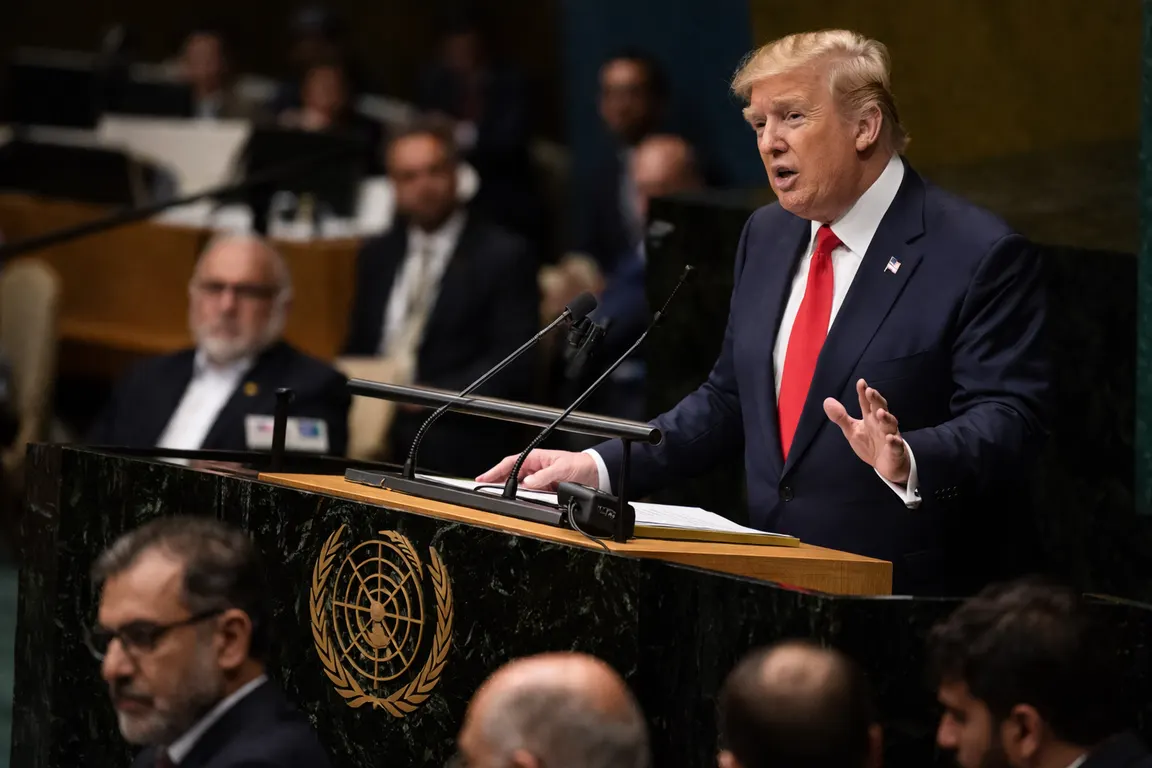
President Donald Trump warned the United Nations that the United States faces "two choices" with Iran – a peace deal or "annihilation." Tehran responded, saying any U.S. move toward annihilation would be met with a "crushing" response. The exchange, delivered publicly in UN speeches, has turned diplomatic language into a high‑stakes standoff while senior U.S. officials and Iranian representatives continue to meet behind closed doors.
The public threats risk derailing the only remaining channel for de‑escalation: U.S.-Iran back-channel talks. A three‑hour meeting, described by sources as involving former senior adviser Jared Kushner, real‑estate investor Steve Witkoff and unnamed Iranian officials, was praised by Trump as "very good." No policy shift, legislative action or formal agreement emerged from the session, leaving analysts uncertain about its substance.
Trump's remarks, reported by The Independent, framed the United States' options as a binary choice, implicitly pressuring Tehran to accept a negotiated settlement or face military action. Iran's president, Masoud Pezeshkian, acknowledged the "stark choice" in a subsequent UN address, signaling internal pressure on Tehran's leadership. Al Jazeera later quoted Tehran's warning of a "crushing" response to any U.S. move toward annihilation. Media narratives differ: Al Jazeera emphasizes the hostile escalation, while The Independent highlights the diplomatic context.
The three‑hour meeting remains opaque. Kushner, a former senior adviser with deep ties to the Trump administration, and Witkoff, a private‑sector figure, suggest an attempt to blend diplomatic outreach with economic incentives. No concrete outcomes were disclosed, and independent verification of the meeting's substance is lacking. The absence of a formal declaration leaves analysts unsure whether the talks have moved beyond exploratory dialogue.
Heightened rhetoric raises the risk of miscalculation between U.S. and Iranian forces stationed across the Gulf, potentially drawing neighboring states into a broader confrontation. Historically, similar escalations have spiked oil prices as markets react to any hint of conflict that could disrupt supply routes. For U.S. citizens and enterprises operating in the region, the threat of a "crushing" Iranian response could prompt heightened security alerts, travel advisories and increased operational costs.
Observers note that while the public posturing is unmistakable, the lack of any announced policy change suggests the United States has not yet translated its language into concrete military or legislative action. Likewise, Tehran's warning remains a statement of intent rather than an operational directive. The uncertainty surrounding the three‑hour meeting underscores the difficulty of assessing progress when diplomatic channels are shrouded in secrecy.
As the UN session ends and the next round of back‑channel discussions looms, the key question is whether private‑sector engagement and informal diplomacy can survive the corrosive effect of public threats. The answer will shape the prospects for a de‑escalation pact and the stability of a region already strained by proxy conflicts and economic pressures. Until tangible steps replace rhetoric, the risk of a stalled peace effort and its attendant security and market repercussions will persist.