

U.S. envoys Moscow Kyiv talks: meeting Putin, heading to
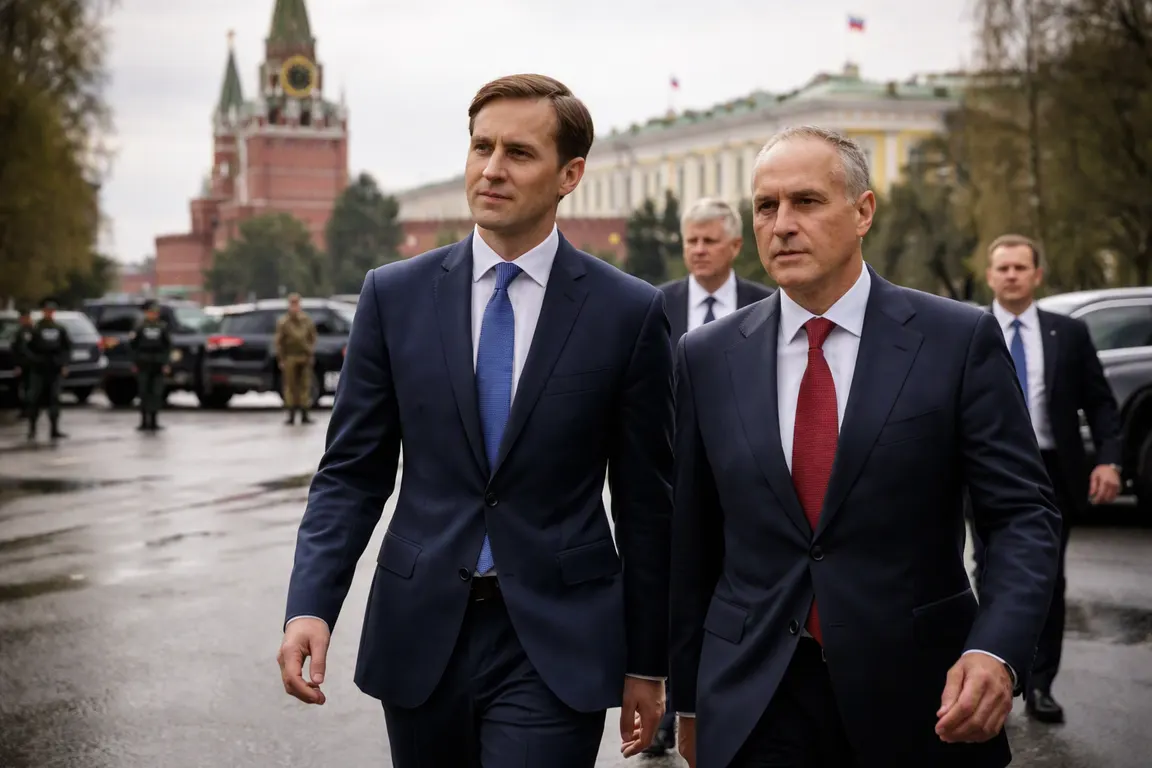
Two U.S. envoys, real‑estate investor Steve Witkoff and former senior adviser Jared Kushner, arrived in Moscow on Saturday for a three‑hour meeting with President Vladimir Putin as part of U.S. envoys Moscow Kyiv talks. A Kremlin aide called the session “highly useful,” but offered no details on any agreements.
The pair are scheduled to travel to Kyiv on Sunday for a second round of talks with Ukrainian officials, including President Volodymyr Zelensky. The back‑to‑back meetings are part of Washington’s effort to open a diplomatic channel in a war that has killed more than 100,000 civilians and displaced over seven million people.
In Moscow, the envoys presented proposals that included a cease‑fire framework, mechanisms for prisoner exchanges and a phased withdrawal of Russian forces from key urban centers. None of the four source outlets—NBC News, the New York Post and two pieces from The Independent World—confirmed that Putin accepted any of those points. The Kremlin’s “highly useful” label contrasts with the lack of publicly disclosed commitments, leaving analysts uncertain about the substance of the talks.
In Kyiv, officials have not released an agenda, and Zelensky’s public comments on the upcoming meetings remain limited. Observers say any progress will depend on whether the envoys can turn the vague Russian receptivity into concrete steps that address Kyiv’s demand for sovereignty guarantees and a clear timeline for troop withdrawals.
The diplomatic push comes amid a humanitarian crisis that continues to strain Europe’s energy markets. Ongoing fighting hampers aid delivery to the eastern and southern frontlines, where civilian casualties remain high. If the envoys can secure modest de‑escalation measures—such as localized cease‑fires or safe corridors for aid trucks—relief operations could accelerate, reducing civilian deaths and easing pressure on neighboring states hosting millions of Ukrainian refugees.
Critics note that the United States has not outlined a broader strategy for ending the war beyond these ad‑hoc talks. The appointments of Witkoff and Kushner, both political allies of former President Donald Trump, have drawn scrutiny about the role of personal connections in high‑stakes diplomacy. The administration frames the mission as a pragmatic attempt to keep diplomatic options open while military assistance continues.
The weekend itinerary underscores the tension between diplomatic rhetoric and measurable outcomes. While Putin’s description of the Moscow session suggests a willingness to engage, the absence of concrete commitments raises questions about the real impact of the talks. Ukrainian officials have yet to confirm what they hope to achieve in Kyiv, and no joint statement has been issued.
As the envoys prepare to land in Kyiv on Sunday, the international community will be watching for any indication of progress. Whether the meetings produce a verifiable step—such as a cease‑fire agreement, a prisoner swap or a humanitarian corridor—will determine if this diplomatic sprint moves beyond symbolism toward tangible relief for the millions still caught in the conflict.