

U.S. diplomatic approach to Russia raises policy questions
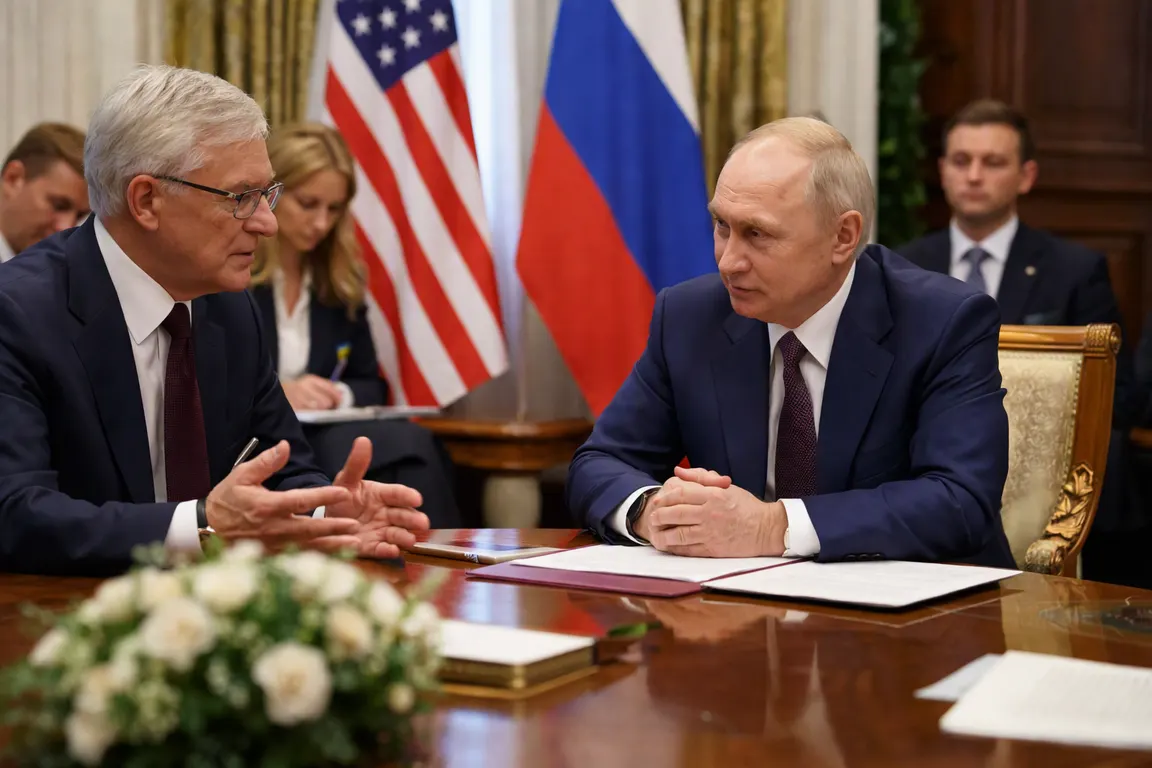
Senior U.S. diplomatic envoy Steve Witkoff met President Vladimir Putin in St. Petersburg and described the Russian leader as a “humanitarian,” a comment that has put the U.S. diplomatic approach to Russia under scrutiny. President Donald Trump later praised the remark, suggesting a softer tone could help end the war in Ukraine. The remarks have drawn backlash from Ukrainian supporters and analysts who view the language as a departure from the United States’ long‑standing condemnation of Russian aggression.
The incident matters because it could affect the leverage Washington holds over Moscow, influence the flow of military and humanitarian aid to Kyiv, and test the credibility of sanctions that have underpinned Western support since February 2022.
Witkoff’s description was released after the St. Petersburg meeting, though the exact date of the encounter has not been disclosed. Trump’s endorsement was made in a separate statement, but no formal policy change, legislative action, or new sanctions package has been announced.
The Wall Street Journal described the administration’s approach as a mix of “maximum pressure on Kyiv” with “flattery of the Kremlin,” suggesting the diplomatic overture is intended to coexist with continued pressure on Russia. By contrast, The Guardian warned the narrative could involve “extraordinary lies” about Russia’s role in the war, and an Independent World article claimed, without evidence, that Russia has been “barely involved” in the Iran‑Israel conflict. Intelligence reports have not confirmed that claim.
U.S. military aid to Ukraine has exceeded $40 billion since the war began, underscoring the scale of American involvement. If the administration’s rhetoric leads to a softening of sanctions or a reduction in aid, Ukrainian civilians and armed forces could face heightened risk. At the same time, defense contractors and allied economies that depend on continued U.S. support could see market volatility as investors weigh the possibility of policy shifts.
Russia’s calculations may also be affected. Perceived U.S. leniency could embolden Moscow to adopt a more aggressive stance in Europe or the Middle East, especially if Washington’s tone is read as a signal of reduced resolve. However, the lack of an official policy amendment leaves the actual impact of the envoy’s comments uncertain.
Analysts note that the United States has maintained a consistent sanctions regime aimed at pressuring Moscow while supplying Kyiv with weapons, training and humanitarian supplies. The current controversy highlights a tension between a public narrative that seeks to open diplomatic channels and a strategic framework that relies on economic and military pressure.
The next steps for the administration remain unclear. While Trump’s endorsement suggests a willingness to explore alternative diplomatic pathways, the White House has not outlined concrete measures or timelines. Congressional leaders and senior State Department officials have yet to indicate whether the remarks will translate into formal changes in U.S. policy toward Russia.
Observers will watch for any official statements, legislative proposals, or shifts in aid allocations that could confirm whether the diplomatic overture is merely rhetorical or the prelude to a broader strategic adjustment.