

U.S. diesel sanctions pause raises Ukraine blackout risk
The United States on Friday signed an executive order that temporarily lifts key sanctions on Russia’s diesel exports, a move that analysts say could increase Moscow’s ability to fund attacks on Ukraine’s power grid as winter approaches. Zelenskyy warned the U.S. diesel sanctions pause might enable Russia to intensify strikes on critical infrastructure.
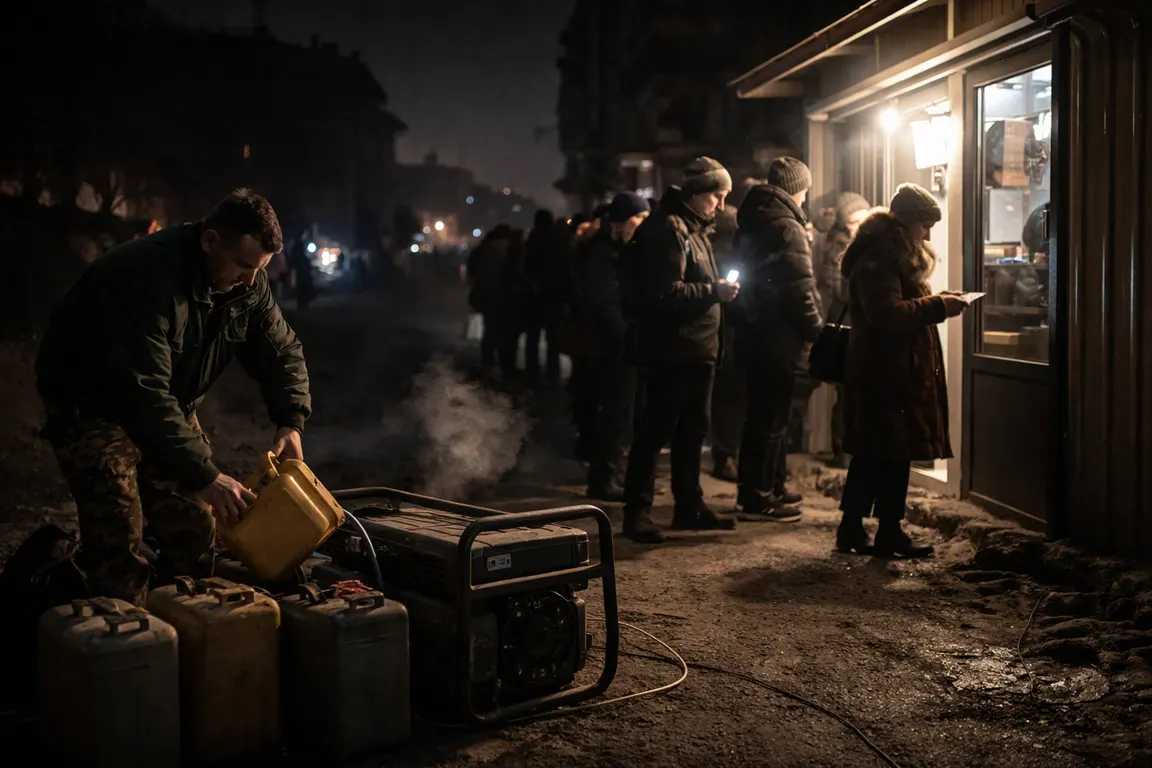
That warning came as Russian forces hit 15 power‑generation sites across Ukraine on the same day, an assault officials described as one of the largest on the grid this year. The raids killed two civilians – one in Kherson and another in Sumy – and injured 22 people, including two children. Damage to transformers and fuel supplies left several regions with unreliable electricity, raising fears of prolonged blackouts as temperatures fall.
The executive order, issued by President Donald Trump, waives provisions of the Lindsey Graham Act that had barred Russian diesel shipments and targeted the “shadow fleet” of tankers used to evade sanctions on Russia’s energy and defence sectors. The administration said the waiver was intended to stabilize global diesel markets and protect U.S. consumers, but it also restores a revenue stream that Moscow has relied on to fund its military operations.
In a televised address on Saturday, Zelenskyy called the sanctions pause a “reward” for President Vladimir Putin and urged European allies to keep pressure on Moscow. He said the diesel‑export deal is only the first step toward eroding Russia’s war‑financing capabilities and warned that a weakened sanctions regime could encourage further attempts to black out Ukrainian cities before winter.
Kremlin spokesperson Kirill Dmitriev praised the waiver, calling it a “historic moment” and arguing that the Lindsey Graham Act would have harmed the U.S. economy and global markets. Russian officials have not detailed how the lifted restrictions will be used, but analysts note that increased diesel sales could fund additional military logistics, including fuel for artillery and aviation units.
European reactions have been mixed. Some EU capitals expressed concern about the timing of the U.S. decision but reaffirmed their own sanctions on Russian energy exports. The European Commission’s energy directorate said it would monitor the impact of the U.S. waiver on Russian revenue flows and diesel prices, and that any market advantage for Moscow would trigger a review of the bloc’s measures.
Energy markets showed a modest dip in diesel futures after the announcement, suggesting that the expected increase in Russian shipments may be absorbed by existing supply chains. Analysts caution, however, that a sustained rise in Russian diesel exports could lift global fuel costs, with knock‑on effects for transport and heating in Europe.
The United States has not set a timeline for reinstating the suspended sanctions, and the administration offered no detail beyond “protecting American consumers.” The lack of a clear exit strategy leaves policymakers in Washington and Brussels balancing domestic political pressures against the strategic goal of limiting Russia’s ability to fund its war.
As Ukraine prepares for a harsh winter, the convergence of a U.S. policy shift and a fresh wave of Russian attacks creates a volatile mix of humanitarian and geopolitical risk. The next EU energy summit, scheduled for early November, is expected to address the sanctions question, while U.S. officials are likely to face renewed calls from Kyiv and its allies for a swift reversal of the waiver.