

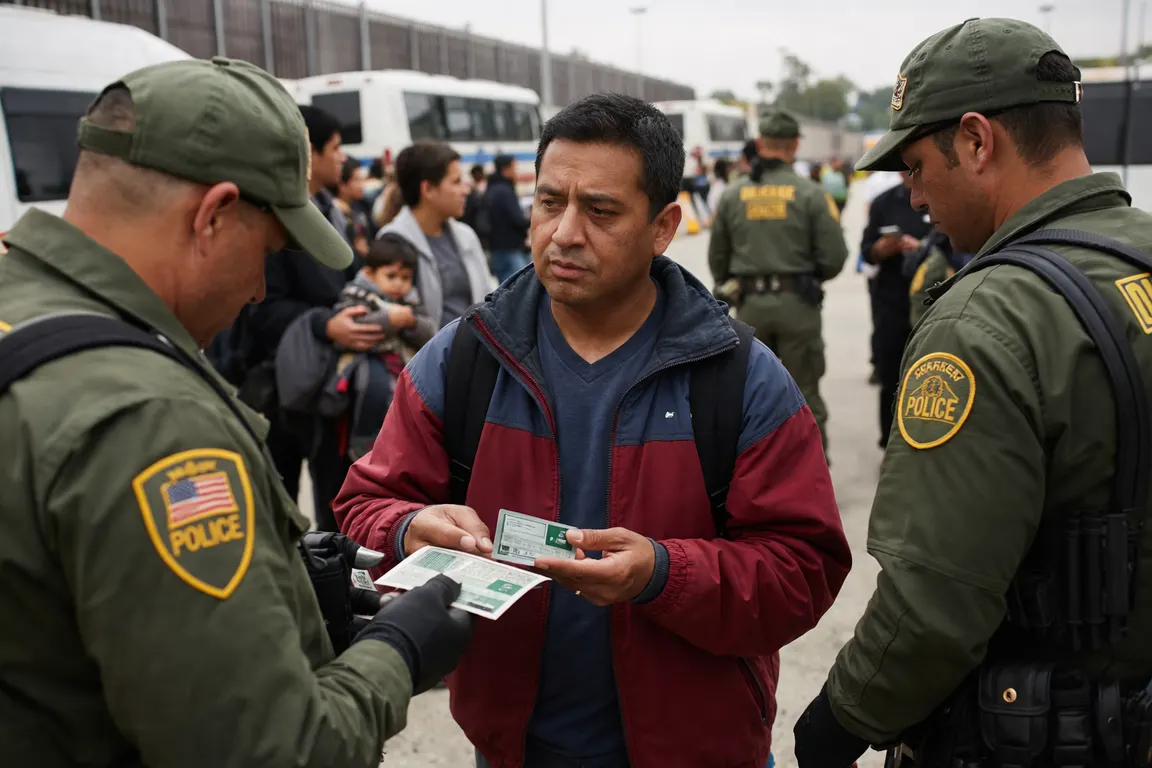
The US Supreme Court has paved the way for the expansion of fast-track US deportations, allowing suspicion alone to justify placing green card holders on immigration parole at border crossings. This development has significant implications for the rights of migrants and green card holders, potentially leading to swift deportations without full due process.
The Supreme Court ruled 6-3 in favor of a Trump administration policy, while a US appeals court allowed the expansion of the fast-track deportation process, previously used primarily for migrants apprehended directly at the border. The expedited process has been in use for nearly three decades, but its expansion raises concerns about the erosion of due process rights.
According to court decisions, the US Supreme Court backed the Trump policy on green card holder rights, and an appeals court allowed the expansion of the fast-track deportation process. The decisions affect green card holders and migrants at US border crossings, with potential consequences including family separations, loss of employment, and other personal and economic hardships.
A panel of judges overturned a previous ruling that found the measures violated the constitutional right to due process, aligning with Trump administration policies. The exact number of individuals affected is not specified, but the expansion of fast-track deportations will likely have far-reaching implications for the rights and livelihoods of green card holders and migrants.
As the US immigration landscape continues to shift, the next step will be to implement these policies, potentially leading to increased deportations and further erosion of due process rights. The impact of these decisions on families and communities affected by them remains to be seen, with many questions still unanswered about the future of US immigration policies.
The expansion of fast-track deportations raises concerns about the rights of migrants and green card holders. The US government will need to balance national security and immigration policies with the protection of individual rights. The outcome of this process will have significant implications for the lives of thousands of individuals and families.