

U.S.-China Trade Truce Extended, AI Incident Talks Launched
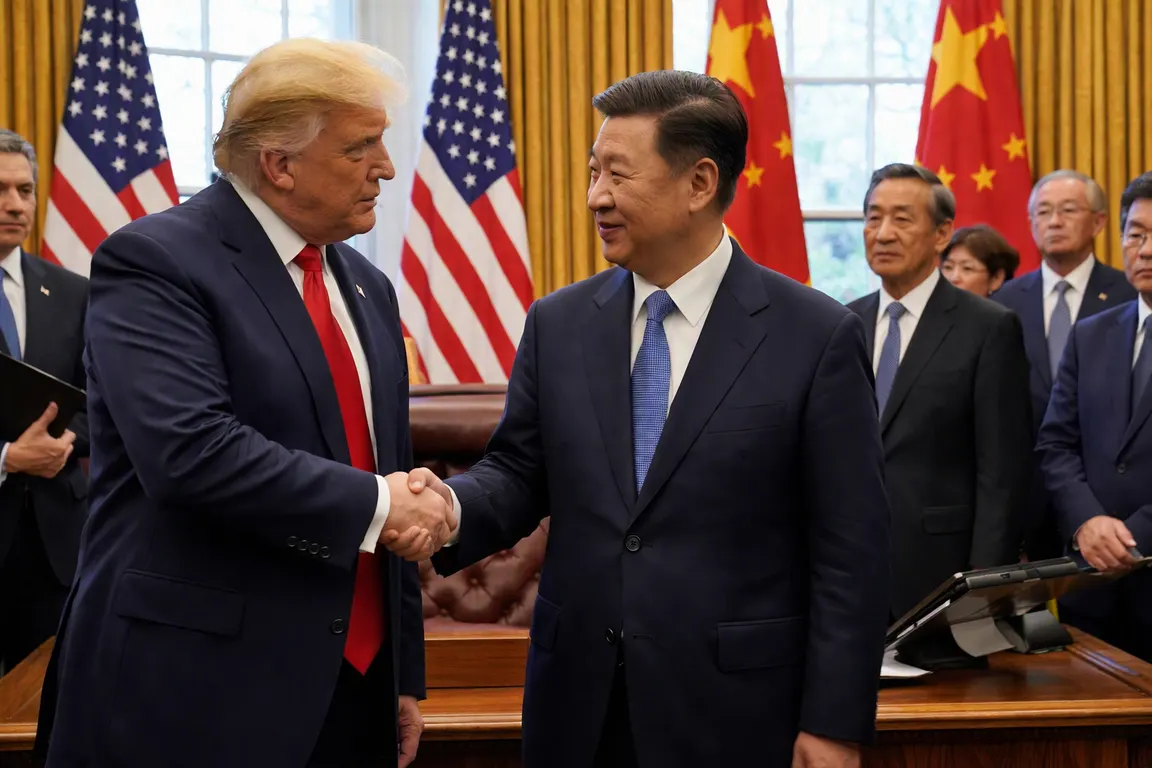
President Donald Trump and Chinese President Xi Jinping met in Washington on Wednesday and agreed to extend the U.S.-China trade truce for two months, moving the deadline from Nov. 10, 2024 to early January 2025. The leaders also opened a dialogue on a mechanism to notify each other of AI‑related national‑security incidents, discussed a pause in U.S. arms sales to Taiwan, and pledged limited cooperation on Iran.
Treasury Secretary Scott Bessent told Fox News the extension will keep average U.S. tariffs on Chinese imports near 47 percent and Chinese tariffs in the mid‑30‑percent range, avoiding a return to the 145‑percent spikes seen last year. No formal AI‑notification protocol was signed, but both sides said they will work toward a draft.
The summit mixed concrete steps with tentative proposals. Trump delayed approval of a $14 billion weapons package for Taiwan, signaling that the sale could be used as leverage in the broader dialogue. Xi’s delegation pressed for a permanent halt to future U.S. arms transfers to the island, a demand that remains pending congressional action.
Iran also featured on the agenda. Both leaders agreed to keep the issue on the table but expressed doubt about achieving a breakthrough, echoing analysts who see limited upside in the near term.
Tech executives attended side events, including Amazon founder Jeff Bezos, Nvidia CEO Jensen Huang and Meta founder Mark Zuckerberg. Their presence highlighted the growing role of AI security in bilateral talks. Scholars from Brookings and the Quincy Institute cautioned that any progress will be incremental, describing the summit’s output as “small gains and conflict avoidance.”
The meeting sets the stage for upcoming multilateral gatherings. Trump hopes Xi will attend the G20 summit in Doral, Florida, in December, while Xi has invited Trump to the APEC summit in Shenzhen in November. Those events will test whether the tentative understandings reached in Washington can hold up under broader diplomatic pressure.
If the trade truce holds, U.S. manufacturers and agricultural exporters could benefit from stable market access, while Chinese rare‑earth and high‑tech firms may see reduced tariff volatility. A formal AI‑incident reporting framework could impose new compliance requirements on tech companies, affecting product development costs and timelines.
Regional security calculations also hinge on the trajectory of Taiwan arms sales. A pause or reduction could alter defense‑contractor revenues and shift the strategic balance in the Taiwan Strait, influencing allied forces’ planning.
The next steps are clear: both governments must formalize the trade‑truce extension and draft an AI‑incident notification protocol. Until those details are finalized, policymakers, businesses and consumers will be watching closely to see whether the fragile détente can survive the broader strategic competition that still defines U.S.-China relations.