

US‑China AI Trade Talks Address Risks, Tariffs and Taiwan
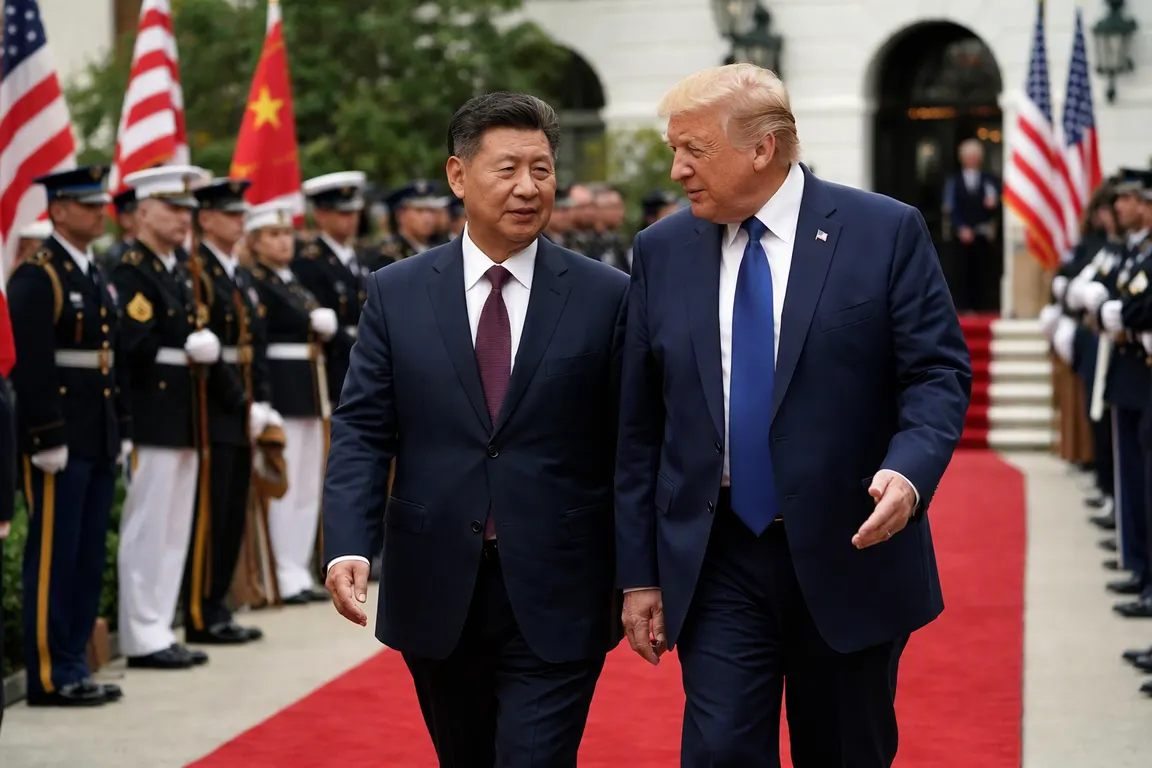
President Donald Trump hosted Chinese President Xi Jinping at the White House on Thursday, April 25, 2024, for a state visit centered on US China AI trade issues. Military honors and a red‑carpet reception marked the day, but the agenda focused on trade imbalances, artificial‑intelligence risk management, Taiwan and coordination on Iran’s nuclear program.
U.S. Trade Representative Katherine Tai and Chinese Vice‑Premier Liu He led senior‑official delegations. Their talks covered three core areas. First, they examined easing tariffs on high‑tech components such as semiconductors and advanced manufacturing equipment, a step that could lower costs for U.S. manufacturers and affect tech‑sector stock prices. Second, they outlined a framework for AI safety, including mutual export‑control guidelines and a shared risk‑assessment methodology, though the joint statement stopped short of binding rules. Third, both sides reiterated their positions on Taiwan and Iran, with the United States emphasizing a “peaceful resolution” for the island and both governments agreeing to exchange information on Iran’s nuclear activities to avoid inadvertent escalation.
The AI component drew the most media attention. RealClearPolitics warned of an “AI apocalypse” scenario, a claim not reflected in any official briefing. Al Jazeera and RealClearPolitics noted that the statement shows a willingness to cooperate on standards for high‑risk AI systems, but the lack of specifics leaves the timeline and scope uncertain. Analysts say even a non‑binding protocol could shape future export‑control rules and data‑privacy standards, prompting AI startups to prepare for possible compliance requirements.
Trade talks also carry weight. The United States maintains a roughly $300 billion deficit with China, and the dialogue could lead to selective tariff reductions on products that support domestic supply chains. Industry observers expect short‑term volatility in equities tied to electronics and semiconductor sectors as investors gauge the likelihood of policy shifts.
On Taiwan, the joint press conference avoided new language that would alter the status quo. The United States reiterated its commitment to a “peaceful resolution,” while China reaffirmed its “one‑China” principle. Regional allies will monitor any subtle shifts in phrasing for clues about future military posturing.
The summit concluded without a binding treaty; all agreements remain at the diplomatic‑negotiation stage. Both governments issued follow‑up communiqués and announced a working group to flesh out the AI risk‑assessment protocol over the coming months. A bilateral technical workshop is slated for early 2025, where officials aim to draft detailed guidelines for AI safety testing and export licensing.
The key unanswered question is how quickly the proposed AI framework will move from concept to enforceable practice, and whether trade concessions will materialize before the next fiscal budget cycle. The outcome will shape the regulatory environment for emerging technologies and set the tone for U.S.–China economic engagement in the years ahead.