

US-China AI competition tops agenda as Biden greets Xi
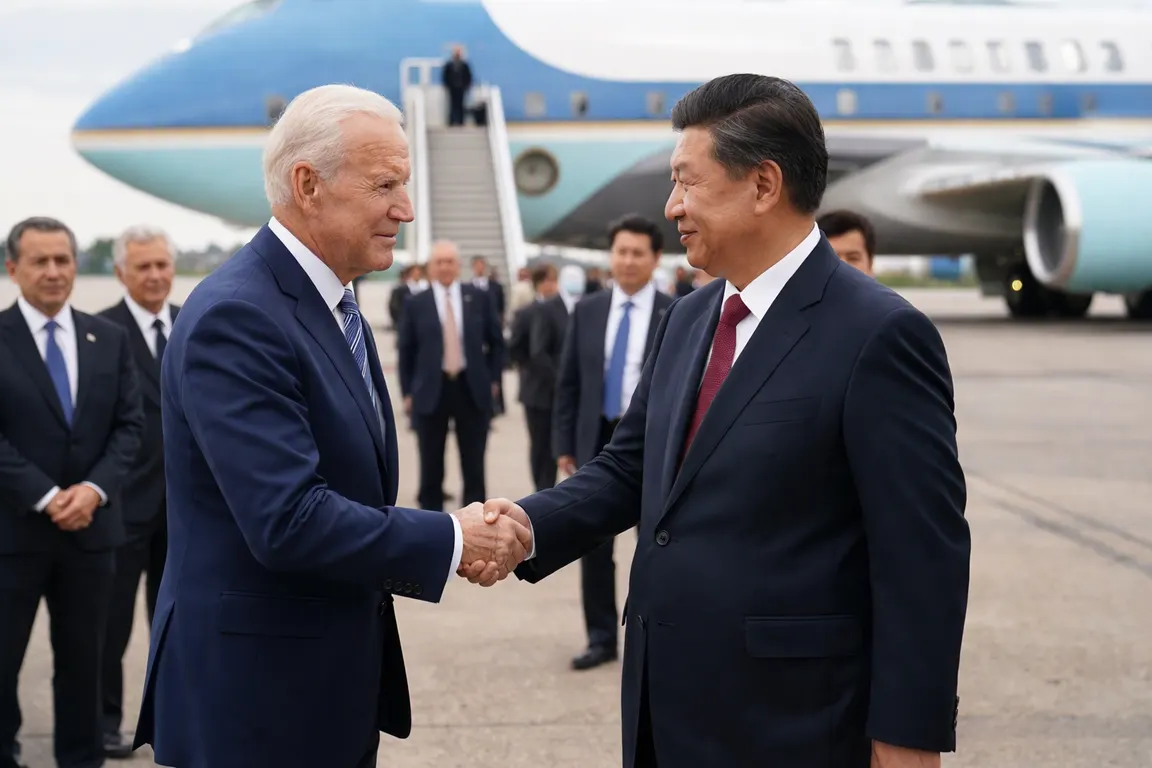
President Joe Biden welcomed Chinese President Xi Jinping on the tarmac at Joint Base Andrews on Wednesday, marking a rare planeside greeting as the two leaders began a state‑level dialogue. The US China AI competition was highlighted as a top agenda item, alongside trade and regional security concerns.
Both sides signaled that AI policy will dominate discussions. Officials familiar with the itinerary said the technology agenda is a priority, though no specific proposals have been disclosed. Delegates are expected to address standards that could affect data usage, export controls and intellectual‑property protections for generative‑AI tools.
Trade issues are also slated for the talks. Lingering disputes over tariffs, supply‑chain constraints and market access for U.S. manufacturers remain unresolved, and both delegations are likely to probe ways to ease friction while protecting domestic industries.
The high‑visibility welcome, highlighted by international media, underscores the symbolic weight of the encounter. It is the first planeside reception of a Chinese head of state in recent memory and signals the administration’s intent to engage Beijing on substantive policy matters.
The visit follows a recent United Nations General Assembly speech in which President Biden warned that the United States would consider stronger measures if Iran’s nuclear negotiations stalled. The remarks have heightened diplomatic pressure on Tehran and raised questions about how the broader security backdrop will shape the bilateral talks.
Some Republican lawmakers have expressed concern that engaging China while the United States escalates rhetoric toward Iran could send mixed signals to allies and adversaries. The criticism reflects intra‑party debate over the administration’s foreign‑policy calculus, but no official response has been issued.
If the talks produce concrete steps on AI, U.S. technology firms could face new regulatory frameworks or collaborative mechanisms that reshape investment flows and competitive dynamics. Companies developing generative‑AI tools may need to adjust to standards that influence data handling and cross‑border transfers, with downstream effects on employment and innovation.
Trade stakeholders—from importers of Chinese components to exporters of American agricultural products—will watch for any adjustments to tariffs or supply‑chain policies that could alter cost structures and market access.
Security analysts will also monitor whether the dialogue touches on the United States’ posture toward Iran. While the agenda has not been officially confirmed, the proximity of the UN speech to the state visit suggests that any divergence in tone could influence how Beijing perceives U.S. commitment to regional stability.
The visit concluded without a joint statement or announced agreements, leaving substantive outcomes uncertain. As Xi departs Andrews for the White House, senior officials are expected to hold follow‑up briefings and schedule additional meetings.
Whether AI policy or Iran rhetoric will dominate post‑visit discourse remains to be seen, but the discussions are poised to shape the economic landscape for U.S. firms and the strategic calculus of allies watching the evolving U.S.–China relationship.