

U.S. Arms Sales to China Raise Policy and Security Concerns
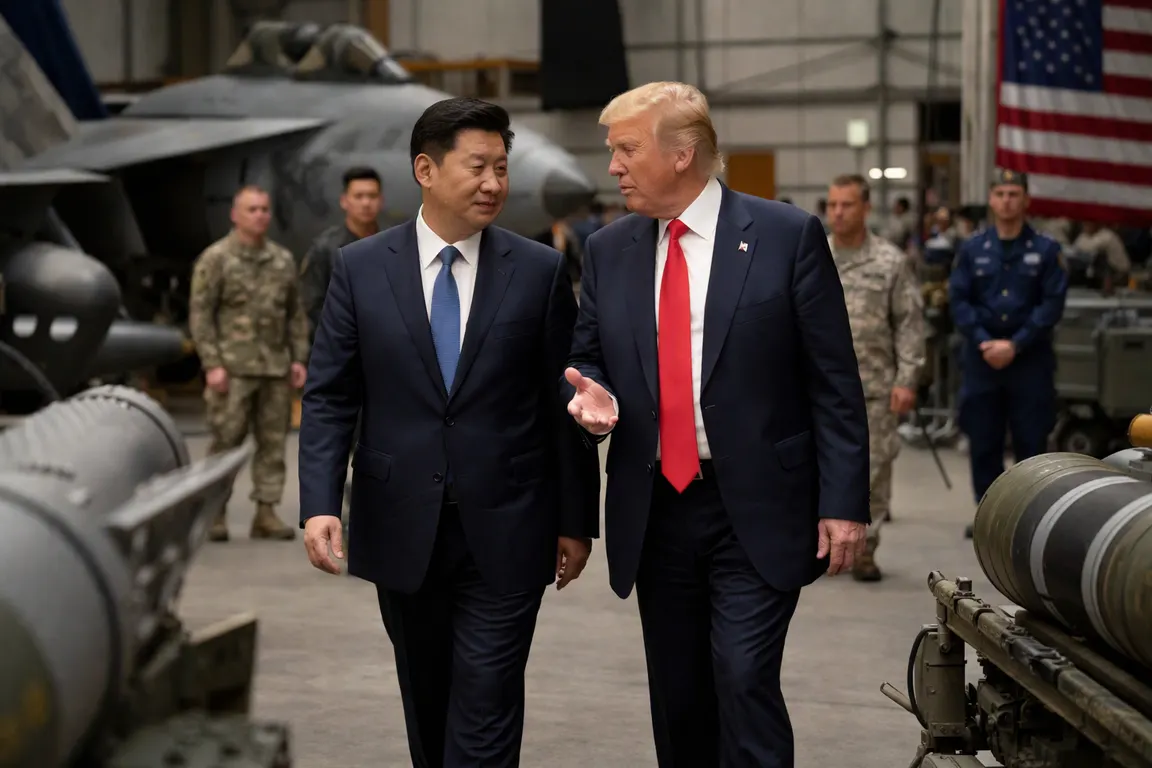
U.S. ambassador to China David Perdue told Fox News on June 9 that President Donald Trump asked President Xi Jinping whether China wanted to buy American weapons. The remark, repeated by the Manila Times and The Guardian, came less than two weeks after Xi’s bilateral meeting at the White House.
If the comment reflects a genuine proposal, it would run counter to a half‑century of U.S. policy that bars arms sales to the People’s Republic of China while obligating Washington to supply defensive weapons to Taiwan. The claim arrives as the United States has paused a record‑breaking $14 billion arms package for Taiwan following Trump’s May summit with Xi in Beijing, and as lawmakers on both sides of the aisle intensify scrutiny of export controls.
Perdue’s on‑air statement conflicts with a Wall Street Journal report that the State Department has publicly denied any plans to sell weapons to China. No official document, press release or list of systems has been produced to substantiate the alleged offer, and no source disclosed what type of equipment, if any, was discussed.
The timeline underscores the tension. In May 2024, Trump and Xi met in Beijing, after which the United States suspended the Taiwan arms package pending review. Early June saw Xi’s visit to Washington, during which Trump hosted a White House dinner. On June 9, Perdue appeared on Fox News and said the president asked Xi if China would like to buy U.S. arms. In the days that followed, overseas outlets echoed the claim, while the State Department reiterated that no sale was under consideration.
U.S. law, including the Taiwan Relations Act and related arms‑export statutes, requires the United States to provide Taiwan with defensive weapons but explicitly prohibits sales to the PRC. Violating those statutes could trigger legal challenges and would likely require congressional action to amend or waive the prohibitions. No legislative proposal has emerged, though several members of Congress have voiced concern that delayed aid to Taiwan may embolden Beijing.
The potential policy shift carries implications for regional security. Taiwan’s military planners must assess whether U.S. commitments remain reliable, a question that could affect procurement timelines and force posture. Allies such as Japan, South Korea and Australia monitor U.S. arms‑export policy closely; any relaxation toward China could alter the strategic balance in the Indo‑Pacific.
U.S. defense contractors are also watching the story for market signals. A confirmed change in policy could open a new customer base but would likely provoke political backlash and stricter oversight. Until concrete evidence emerges, firms remain uncertain about future demand from China.
The State Department is expected to brief congressional committees in the coming weeks, and lawmakers may seek clarification through hearings on export licensing and Taiwan assistance. Whether the president’s question, if accurately reported, will translate into a formal policy review remains unresolved, leaving policymakers, industry and regional partners awaiting further clarification.