

U.S. Ambassador to Greece Resigns Amid Corruption
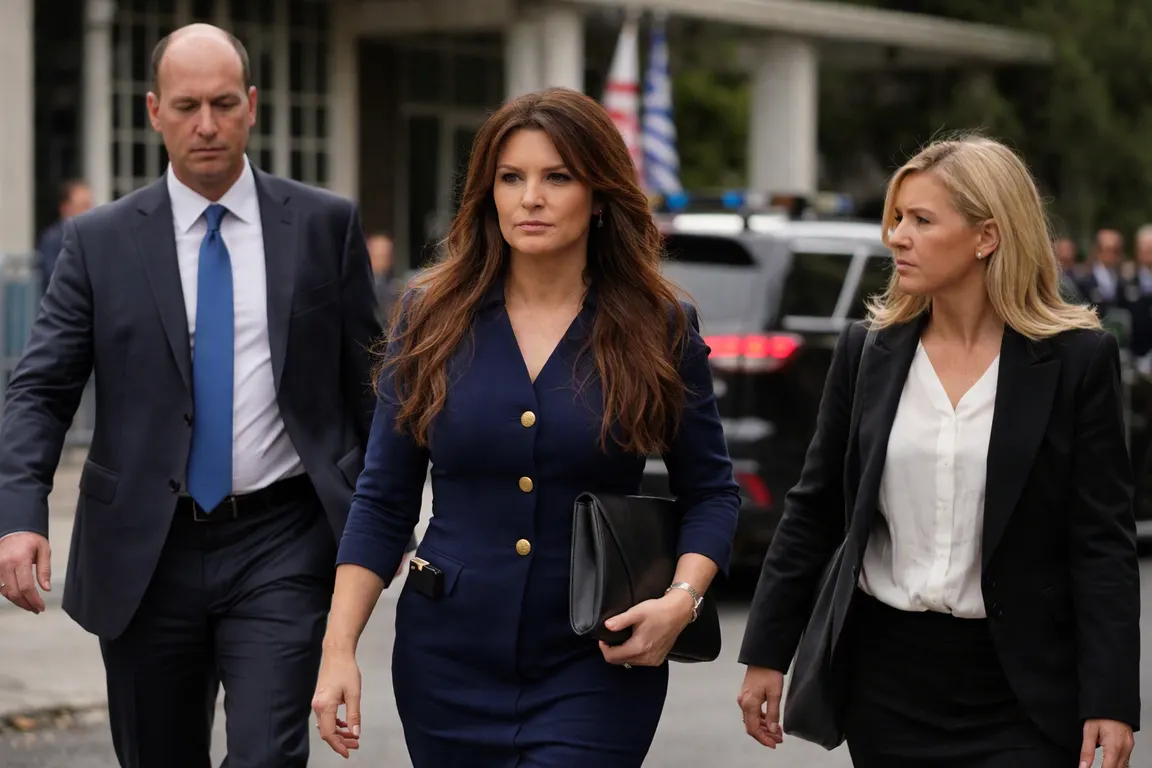
Washington announced that the U.S. ambassador to Greece resignation will take effect after the White House requested Kimberly Guilfoyle step down over unspecified corruption allegations. The departure ends a brief, contentious tenure that began with her 2022 appointment by President Donald Trump.
Guilfoyle’s exit comes as the United States seeks to deepen security and energy cooperation with Athens. With the post now vacant, the embassy is being run by an interim chargé d’affaires, a routine but slower arrangement for decisions on joint naval exercises, NATO coordination and the Eastern Mediterranean gas pipeline.
Critics had long questioned Guilfoyle’s qualifications. Her background is in television commentary, not foreign service, and several observers described the appointment as a patronage move. Throughout her service, diplomats noted limited engagement with Greek officials and a lack of substantive policy initiatives.
The corruption claims that triggered the resignation remain vague. Reports from The American Conservative and RealClearPolitics said the allegations surfaced without providing dates, details or evidence, and no formal investigation has been announced. Sources confirm that senior White House officials, including President Trump, urged Guilfoyle to leave.
For U.S. businesses and taxpayers with interests in the region, the resignation does not signal an immediate policy shift, but it raises concerns about the continuity of diplomatic momentum. A prolonged vacancy could be perceived as a weakening of U.S. commitment, especially as regional rivals increase their diplomatic outreach.
Greek officials have said they will maintain dialogue with the United States, but they acknowledge that the lack of a confirmed ambassador may delay finalizing certain agreements. The interim leadership will handle day‑to‑day operations while the State Department searches for a permanent replacement, though no timeline has been set.
The episode highlights the broader issue of vetting political appointees to ambassadorial posts. While presidents have traditionally used these positions to reward supporters, the Guilfoyle case illustrates the risk of appointing individuals without the requisite diplomatic experience to manage complex bilateral relationships. Analysts suggest that more rigorous assessment could help avoid similar disruptions in the future.
As Washington and Athens navigate the transition, the unresolved nature of the corruption allegations and the pending appointment underscore the tension between political loyalty and diplomatic effectiveness—a balance that will likely shape future ambassadorial selections.