

U.S. ambassador to Greece resigns amid paid‑access
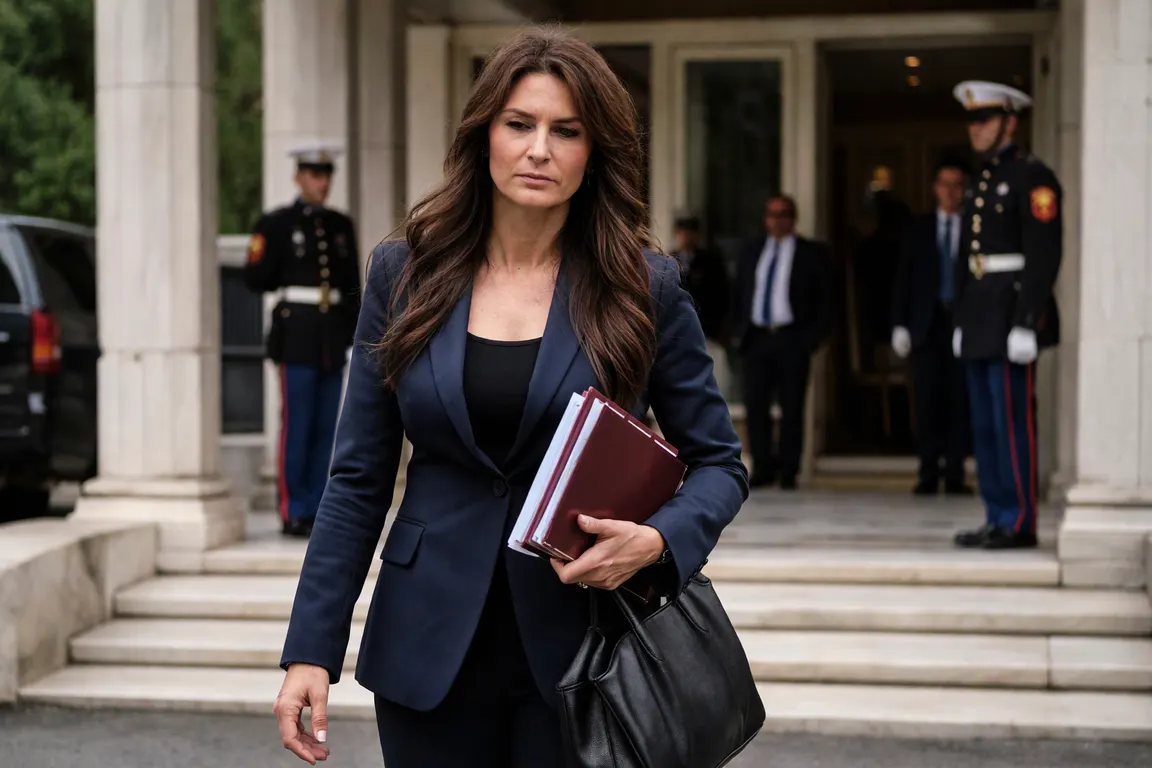
White House press secretary Katie Zachary announced Tuesday that the administration has requested the resignation of U.S. ambassador to Greece Kimberly Guilfoyle, ending a tenure that began in 2023. The request follows a Wall Street Journal investigation that alleged Guilfoyle offered paid access to officials in the Trump administration. Guilfoyle issued a statement denying the claims and confirming her resignation.
Guilfoyle’s departure comes as Washington and Athens continue to coordinate on defense cooperation, energy pipeline projects and regional security. The vacancy creates short‑term uncertainty for bilateral work that normally relies on direct ambassadorial engagement.
Appointed in 2023 as part of a broader effort to bolster U.S. presence in the Eastern Mediterranean, Guilfoyle’s background in political communications and ties to former President Donald Trump were highlighted at the time. The recent allegations have refocused attention on the vetting process for political appointees.
The State Department has not issued an official comment. Multiple outlets, including The Guardian, Al Jazeera, The Independent and the New York Post, reported the resignation and the surrounding controversy. The New York Post cited unnamed sources saying Secretary of State Marco Rubio was “miffed” by the scandal, but the department has not confirmed that sentiment.
No safety or security incidents in Greece have been linked to the resignation, and embassy operations are expected to continue under the chargé d’affaires, the senior career diplomat who assumes interim charge.
U.S. diplomatic staff in Athens now face operational uncertainty. The ambassador’s office traditionally facilitates high‑level meetings, coordinates joint military exercises and advances energy projects such as the proposed East Mediterranean gas pipeline. Without an ambassador, Greek officials and business leaders may have to rely on more bureaucratic channels, potentially slowing decision‑making.
The Wall Street Journal’s reporting cited unnamed sources alleging Guilfoyle solicited money for access, but did not disclose amounts or dates. The Guardian added that she had been monitoring Trump’s schedule and media appearances, a detail not echoed by other outlets, underscoring the fragmented nature of the evidence.
Policy analysts note that the resignation does not automatically halt ongoing projects. Existing agreements on defense procurement and joint naval patrols remain in effect, and senior officials from the Departments of Defense and Energy are likely to maintain contact with their Greek counterparts. However, the absence of an ambassador could delay finalization of new initiatives that require diplomatic endorsement.
The State Department is expected to name an interim head for the embassy within days, a standard procedure that ensures continuity while the Senate confirmation process for a permanent successor proceeds. Historically, such confirmations can take several months, leaving the chargé d’affaires in charge for an extended period.
Guilfoyle’s exit may prompt a review of how political ambassadors are vetted and monitored after appointment. Lawmakers and watchdog groups have previously called for stricter background checks and clearer ethical guidelines for political appointees, arguments that now have fresh relevance.
As Washington works to fill the Athens post, the broader question remains: how can the U.S. balance political appointments with the need for consistent, reliable diplomatic representation abroad? The answer will shape not only U.S.–Greece relations but also the credibility of American diplomacy in an increasingly contested global environment.