

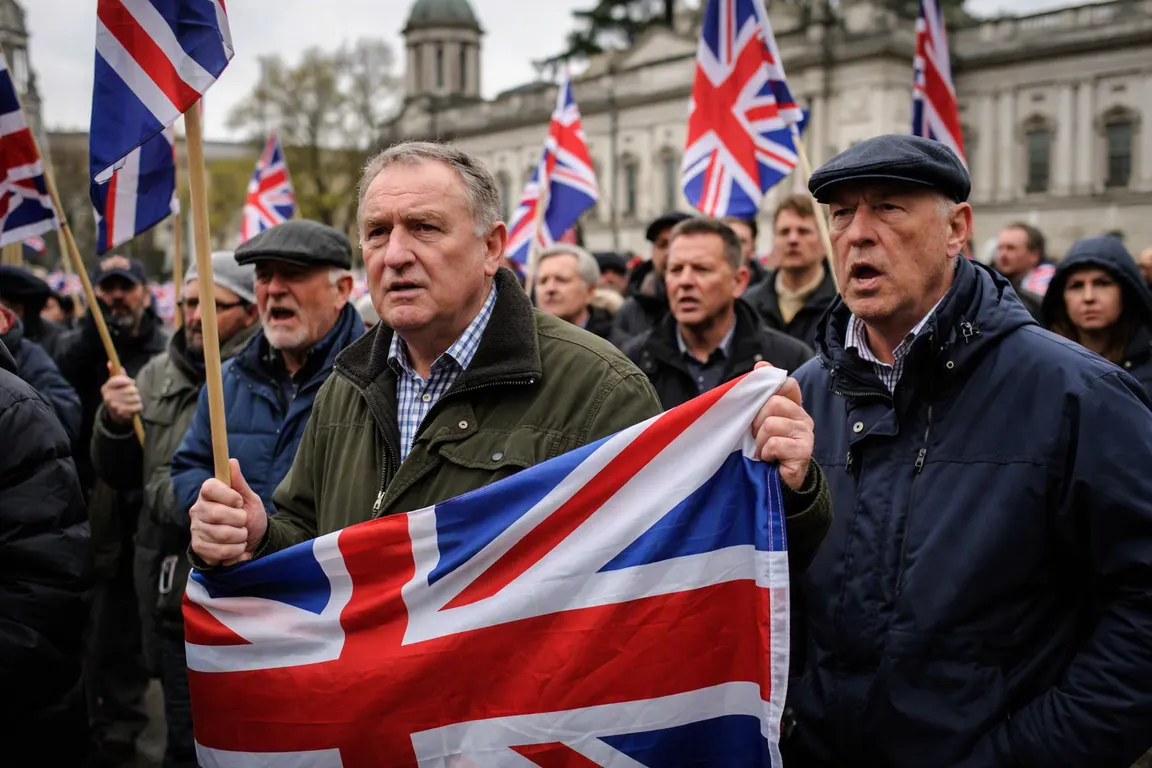
President Donald Trump said on Saturday in Dublin that he would “love” to see a united Ireland, adding that it “may as well happen now.” The comment, made during a two‑day visit, broke with the United States’ long‑standing neutrality on the island’s constitutional future and sparked immediate criticism from unionist leaders.
Within hours, the British government issued a brief rebuttal, stressing that any change to Northern Ireland’s status must come from a democratic vote by its residents. A spokesperson for the Department for Levelling Up, Housing and Communities said the United Kingdom remains committed to the consent principle enshrined in the 1998 Good Friday Agreement.
Northern Ireland’s Democratic Unionist Party and other unionist figures condemned Trump’s remarks as interference in internal affairs, warning that outside commentary could destabilise community relations. The DUP cautioned that such rhetoric might inflame sectarian tensions and undermine the power‑sharing arrangements that have kept the peace for more than two decades.
The statement was reported by Al Jazeera, The Guardian, The Independent and other outlets. No official U.S. policy shift was announced, and the White House has not issued a follow‑up comment.
Early coverage also contained a factual error, misidentifying “British Prime Minister Andy Burnham” as the source of a quote on popular support. The UK prime minister at the time was Rishi Sunak, highlighting the challenges of rapid reporting on a developing story.
While the United States has historically taken a hands‑off approach to the Irish question, Trump’s personal endorsement revives a debate that resurfaced after the 2016 Brexit referendum, when the prospect of a hard border between the island and the United Kingdom re‑emerged. Analysts note that the Good Friday Agreement relies on the consent of a majority in Northern Ireland; any perception of external pressure could complicate the delicate power‑sharing framework and affect cross‑border trade, especially as the region navigates post‑Brexit regulatory differences.
For residents of Northern Ireland, the president’s comments may reignite community‑level discussions about identity and the future of the border. Unionist leaders fear heightened rhetoric could inflame tensions, while nationalist groups view the endorsement as a symbolic boost to their long‑standing goal of Irish reunification. Economists caution that political uncertainty can influence investment decisions, although no immediate market movements have been recorded.
The next step is likely diplomatic clarification. British officials are expected to meet with Irish counterparts in the coming days to reaffirm the joint commitment to the Good Friday framework and to address any misconceptions about external influence. The Irish government has not indicated any intention to alter its current stance on a border poll, leaving the constitutional question firmly in the realm of domestic politics.
Observers will watch whether the United States issues a formal clarification and how the UK and Irish governments manage any diplomatic fallout while preserving the fragile peace that has held for more than two decades.