

Ukrainian Drone Attacks Moscow Amid Duma Super‑Majority Win
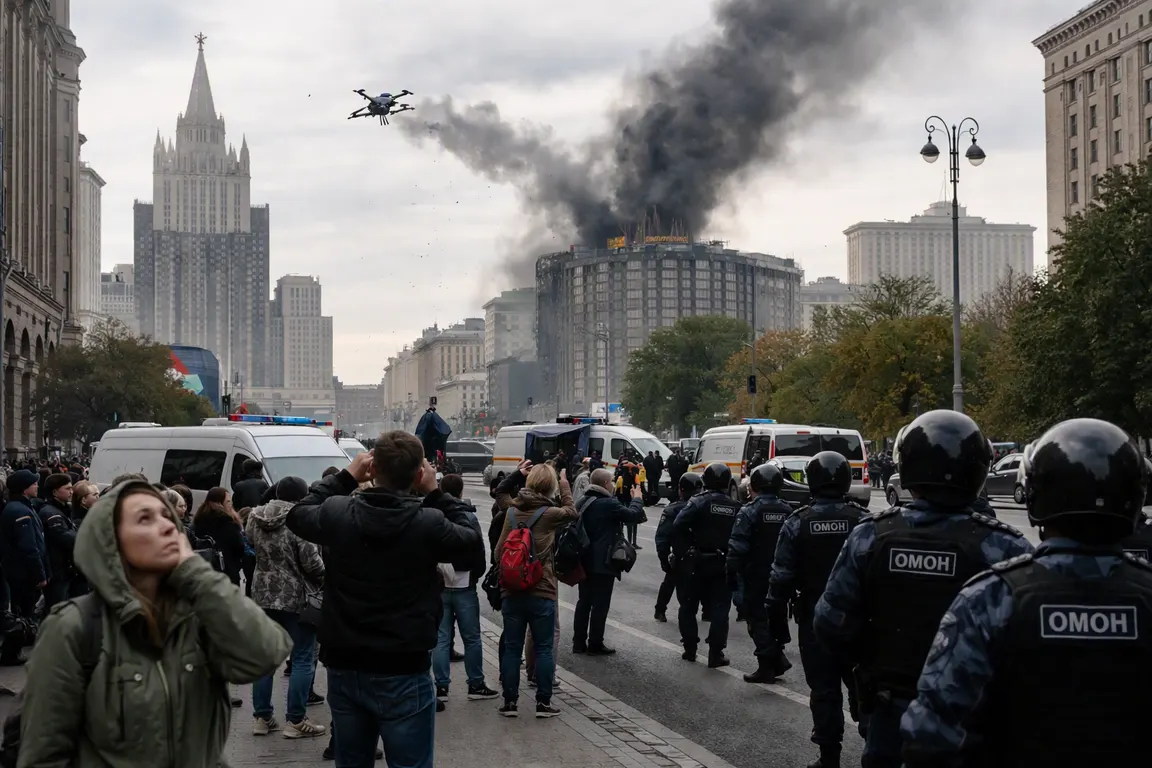
Ukrainian drone attacks Moscow unfolded on the final day of Russia’s State Duma election, while United Russia moved toward a super‑majority in the legislature. The swarms flew over the capital as voting continued, turning a routine election into a simultaneous security test.
With more than 90 percent of ballots counted, United Russia is projected to win well above the 70 percent threshold needed to control the Duma. That level of dominance would allow the party to pass or amend laws on military spending, conscription and the legal basis for the war in Ukraine without needing opposition support.
At the same time, Ukrainian forces launched a coordinated drone offensive that targeted Russian infrastructure, including Moscow and surrounding regions. Open‑source monitoring groups reported that more than 1,000 unmanned aerial vehicles were deployed on election day, with hundreds directed at the capital. Russian air defenses engaged the swarms, but officials have not released casualty or damage figures, leaving the human cost unclear. Residents in several districts reported explosions, smoke and intermittent air‑raid alerts.
The timing appears deliberate. The drone sorties coincided with the final hours of voting, forcing civilians to cast ballots while emergency services were occupied with intercepting threats. Local authorities issued safety advisories urging people to stay indoors, avoid windows and follow civil‑defence instructions. Independent verification of response times or shelter adequacy is unavailable.
Compounding the security pressure, Russian officials denied entry to independent European election observers, a move reported by several news outlets. The Kremlin described the vote as a legitimate expression of the Russian people and warned that what it called “sham” elections would prompt intensified attacks on Kyiv. The observer ban raises questions about the credibility of the count, even as the numbers suggest a landslide.
For Moscow’s residents, the dual crises pose tangible risks: potential injuries from drone impacts, loss of power or water services, and delayed emergency assistance. Businesses in central districts reported temporary closures, and transport networks experienced intermittent disruptions as alerts sounded.
The election outcome will shape Russia’s legislative response to the security breach. A super‑majority could enable swift passage of laws expanding civil‑defence budgets, tightening control over information about the attacks, or authorising further military actions in Ukraine. Conversely, the lack of clear casualty data may fuel public questioning of the government’s narrative and its capacity to protect civilians.
As the new Duma prepares to convene, lawmakers will face the task of translating the election mandate into policy while addressing the immediate fallout from the drone strikes. The intersection of electoral politics and cross‑border security is likely to remain a focal point in the weeks ahead.