

Ukraine Russia energy ceasefire claim denied by Kyiv
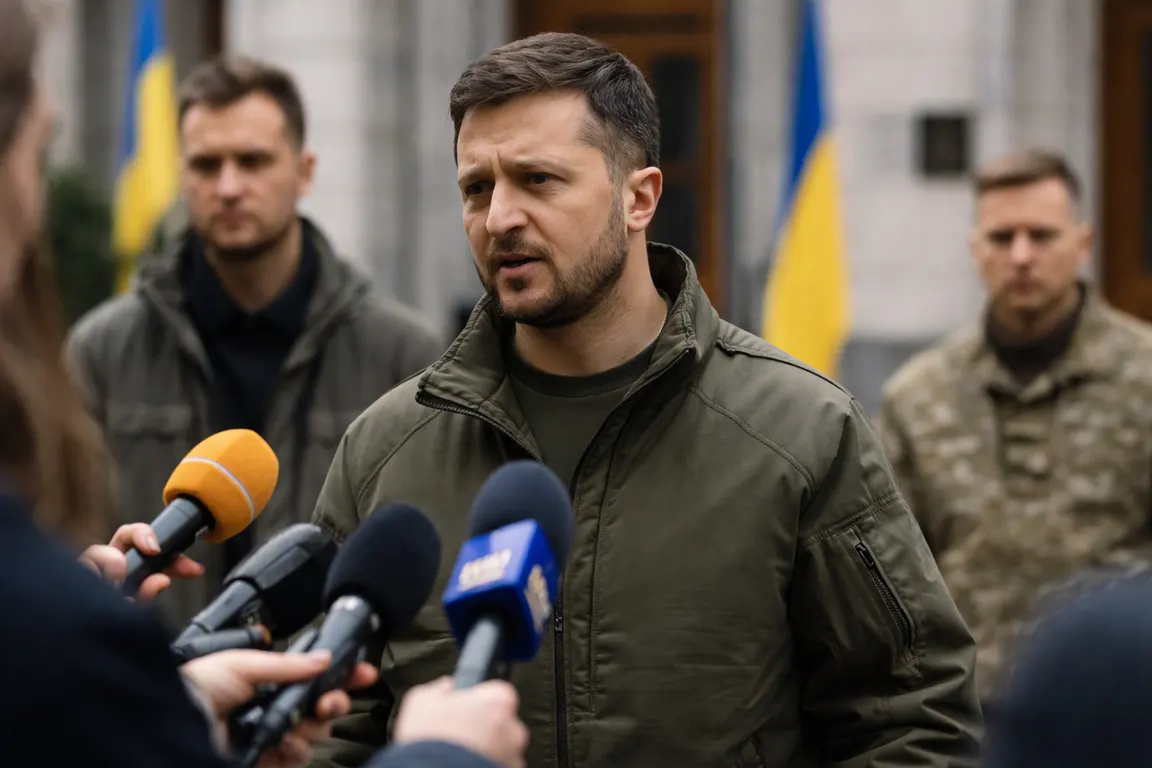
President Donald Trump announced on Sunday that a Ukraine Russia energy ceasefire had been reached. Ukrainian President Volodymyr Zelenskyy quickly refuted the claim on X, saying the report was "news to me" and noting Kyiv would support any cease‑fire that includes energy sites only if Moscow also agreed.
The statement comes amid ongoing Russian attacks on Ukraine’s power grid and fuel depots, which have left millions without reliable electricity and created chronic shortages of gasoline and diesel. A verified pause in strikes on energy infrastructure could ease civilian hardship and calm volatile regional energy markets, but no formal agreement or implementation plan has been presented.
Since the invasion began, Ukraine’s energy network has been repeatedly hit, causing rolling blackouts in major cities and disrupting supply chains that support both the civilian economy and the military effort. International observers warn that each outage deepens the humanitarian crisis and pushes fuel prices higher across Europe.
Zelenskyy’s response underscored the gap between rhetoric and verified policy. He reiterated Ukraine’s willingness to consider a cease‑fire that includes energy facilities, but only if Russia participates and the United States provides concrete details. He has also discussed a potential 60‑day full cease‑fire with leaders of Canada, Finland and NATO, a separate diplomatic track not linked to any energy‑specific arrangement.
Analysts note that rumors of an energy pause can briefly sway oil and gas prices, as traders factor in the possibility of reduced conflict‑related supply disruptions. Without a binding accord, however, such market movements remain speculative and can reverse quickly once the claim is debunked.
For Ukrainian civilians, the practical impact is unchanged: power lines continue to be targeted, fuel stations operate intermittently, and winter heating needs grow more urgent. No diplomatic note, State Department briefing, or Ukrainian or Russian communiqué confirming an energy ceasefire has surfaced. The only public record of the claim is Trump’s remarks, which followed his announcement of a diesel‑purchasing deal with Moscow that drew sharp criticism from Kyiv.
U.S. officials have not issued a statement confirming Trump’s assertion, and Kyiv has not received any formal proposal from Moscow. Observers will watch for any official diplomatic outreach—whether through back‑channel talks or a public announcement—that could translate the headline into an enforceable arrangement.
Until such a step occurs, the discrepancy between Trump’s announcement and Zelenskyy’s denial highlights a broader challenge: political statements that outpace verified policy can shape perceptions without delivering concrete safety or stability for the people most affected by the conflict.