

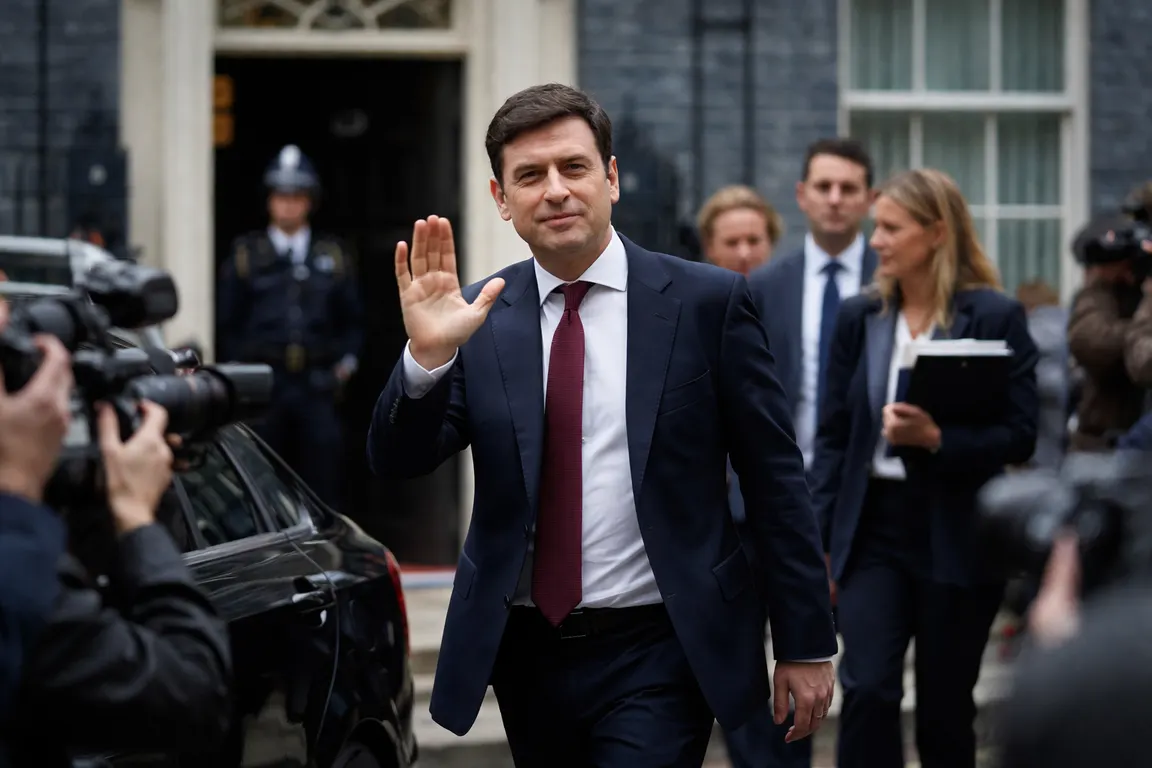
Andy Burnham will become the UK's seventh prime minister in 10 years, taking office on Monday as the new UK Prime Minister. He will visit the King to accept the role and start making cabinet appointments in the afternoon. The UK is currently facing significant foreign policy challenges, including conflicts in Ukraine and Iran, as well as economic pressures at home.
The new prime minister has pledged to introduce measures to ease the cost of living and allow more North Sea fossil fuel drilling. He has also promised to reform Westminster politics by ending the dominance of the whipping system, Whitehall power hoarding, and the insidious briefing culture. These promises will be closely watched, particularly in relation to their potential impact on the UK's economy and environment.
Burnham's leadership style will be under scrutiny as he navigates the country's complex web of foreign policy challenges, economic pressures, and internal party tensions. Tensions within the Labour party, including disputes over key appointments such as chancellor, may test Burnham's grip on the party. The UK's population will be affected by Burnham's policy decisions, particularly those related to the cost of living and economic growth.
As Burnham takes the reins, he faces a daunting task: delivering on his promises of change and reform while addressing the country's pressing challenges. His first speech as PM is expected to promise 'more breathing room' for people. The new prime minister will begin making key decisions, including cabinet appointments, which will set the tone for his premiership.
The next few days will be crucial in determining the direction of Burnham's government. His ability to balance competing demands and deliver on his promises will be closely watched by the public, politicians, and the media. With the UK facing significant challenges at home and abroad, the new prime minister's leadership and policy decisions will have a major impact on the country's future.