

UK to launch National Centre for Information Defence
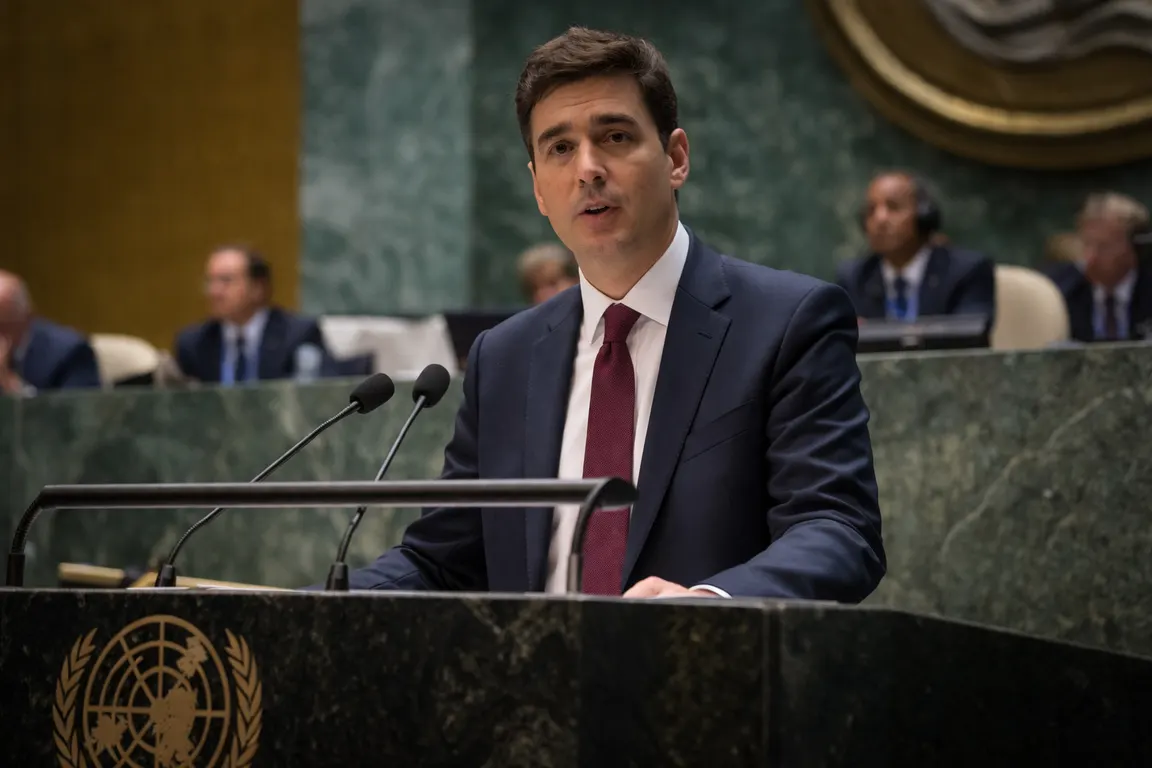
Prime Minister Andy Burnham announced at the United Nations General Assembly on Monday that the United Kingdom will establish a National Centre for Information Defence. The centre will coordinate the detection, attribution and disruption of hostile state‑backed information campaigns, including AI‑generated deepfakes.
Burnham described the threat as an "industrial‑scale assault" amplified by artificial intelligence, linking the surge in manipulative content to rising youth unemployment and the cost‑of‑living crisis. By creating a dedicated hub, the government aims to move from rhetorical warnings to a concrete defence capability that protects the public sphere from foreign propaganda.
The centre will be a joint effort among Britain’s intelligence agencies, law‑enforcement bodies and the country’s largest social‑media platforms, which are expected to share data on suspicious content in real time. Defence Secretary Wes Streeting told GB News the unit will not be used to police domestic political dissent, emphasizing safeguards against abuse of the new powers.
The announcement comes as the OECD reports a brighter economic outlook for the UK, noting lower‑than‑expected inflation. While a stronger macro environment may free resources for security initiatives, the policy still lacks detailed legislation, budget figures and a rollout timetable. Officials say operational rules are being drafted, but the centre cannot yet exercise legal authority to intervene directly in online content.
UN News highlighted the UK’s push for global AI‑safety standards, positioning the centre as part of a broader international framework. The Guardian, meanwhile, focused on domestic safeguards, noting criticism from Tory and Reform UK politicians who warned the unit could become a tool for political control. Both outlets agree that the centre’s legal powers remain undefined, leaving uncertainty about how data‑sharing agreements with tech firms will be regulated.
If the centre becomes operational, social‑media platforms will face new coordination requirements, potentially reshaping how they flag and remove synthetic media. Foreign actors such as Russia, which have previously deployed coordinated disinformation campaigns, may find their operations hampered by a more unified British response. At the same time, redirecting intelligence and police resources to an information‑defence function could strain existing capacities unless additional funding is secured.
The public impact could be significant for young people and households already coping with economic hardship. Reducing exposure to AI‑generated falsehoods may help preserve trust in online information, though the effectiveness of any technical filters remains to be proven. Civil‑liberty groups are expected to monitor the centre’s evolution to ensure safeguards against infringing free speech.
The next step is the drafting of detailed operational guidelines, which will be presented to Parliament for scrutiny. Until those rules are in place, the centre exists as a policy initiative rather than a fully empowered agency, and questions remain about when it will become operational and what statutory powers will back its actions.