

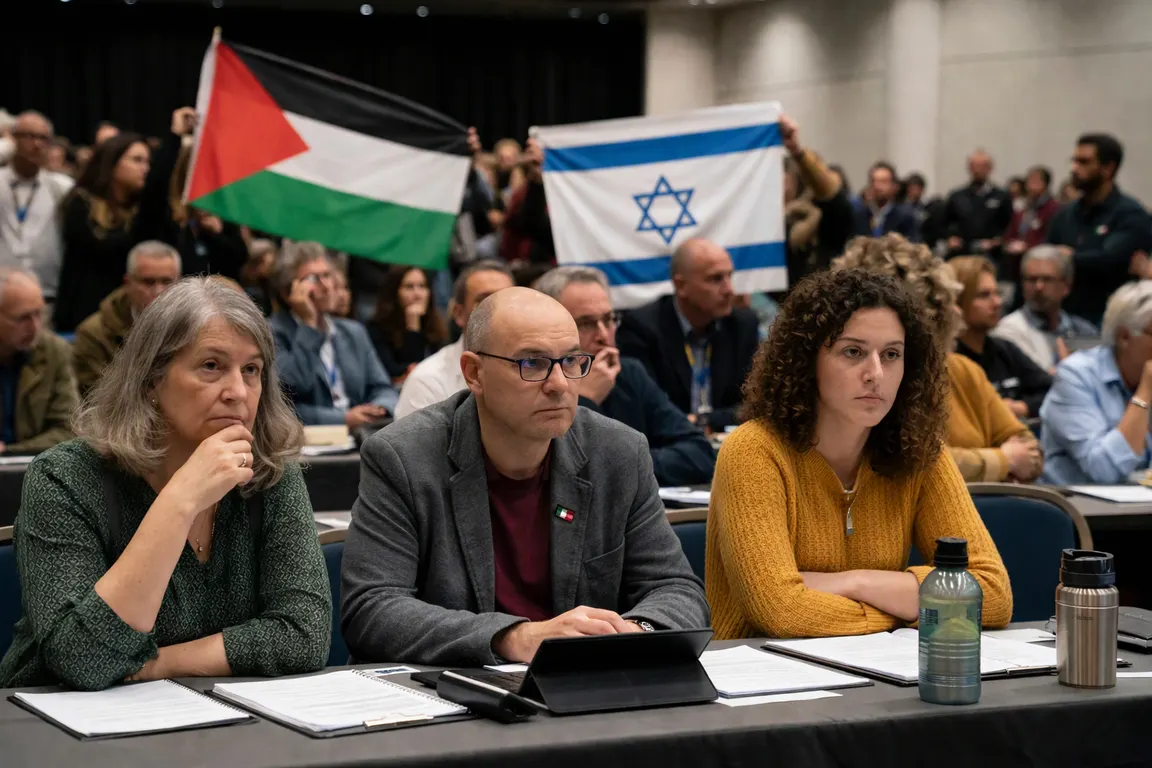
The Green Party’s national conference in March voted to define Zionism as a form of racism and to endorse a single democratic Palestinian state across historic Palestine. The Greens Zionism motion, passed without a published vote count, has ignited a debate within the party and drawn a sharp rebuke from the Israeli government.
Maya [surname not provided], chair of the party’s Jewish Greens, said she might leave the Greens over the resolution, underscoring the personal stakes for Jewish members. Party leaders argue the wording reflects the Greens’ anti‑racism commitments, while others warn it could alienate Jewish supporters and hurt the party’s prospects in the local elections scheduled for later this year.
The motion’s language mirrors a pattern among some European left‑wing parties that have equated Zionism with racism, a stance that has repeatedly provoked controversy. In the UK, the Greens’ decision revives a long‑standing tension between anti‑Israel sentiment on the left and the party’s pledge to inclusive, anti‑racist politics.
Because the conference did not release a vote tally, the breadth of internal consensus remains unclear. BBC reports that the motion passed, but no percentage of delegates was disclosed, making it difficult to gauge how representative the decision is of the party’s wider membership. The resolution is a policy statement, not a legislative proposal, and must be incorporated into the party’s constitution before it can influence parliamentary action.
For Jewish members, the motion raises concerns about being singled out by the party’s anti‑racism agenda. Maya’s remarks about possibly resigning highlight fears that the Greens could become a hostile environment for Jewish activists. At the same time, Palestinian advocacy groups have welcomed the resolution as a symbolic victory, saying it strengthens the call for a single democratic state.
Electoral analysts note that the Greens risk losing votes in constituencies with sizable Jewish populations or among voters who view the definition as anti‑Jewish. The upcoming local elections will serve as an early barometer of the motion’s political cost. Conversely, the party may attract voters who prioritize a strong pro‑Palestinian stance, potentially reshaping its support base.
The controversy is set to dominate internal discussions in the weeks ahead. The party’s executive will need to decide whether to amend the motion, provide clearer guidance on its implementation, or seek a broader mandate from members. A policy review meeting scheduled for June will examine the wording and its alignment with the party’s constitution.
How the Greens reconcile their anti‑racism objectives with the concerns of Jewish members will shape both internal cohesion and the party’s appeal to voters in the forthcoming local contests.