

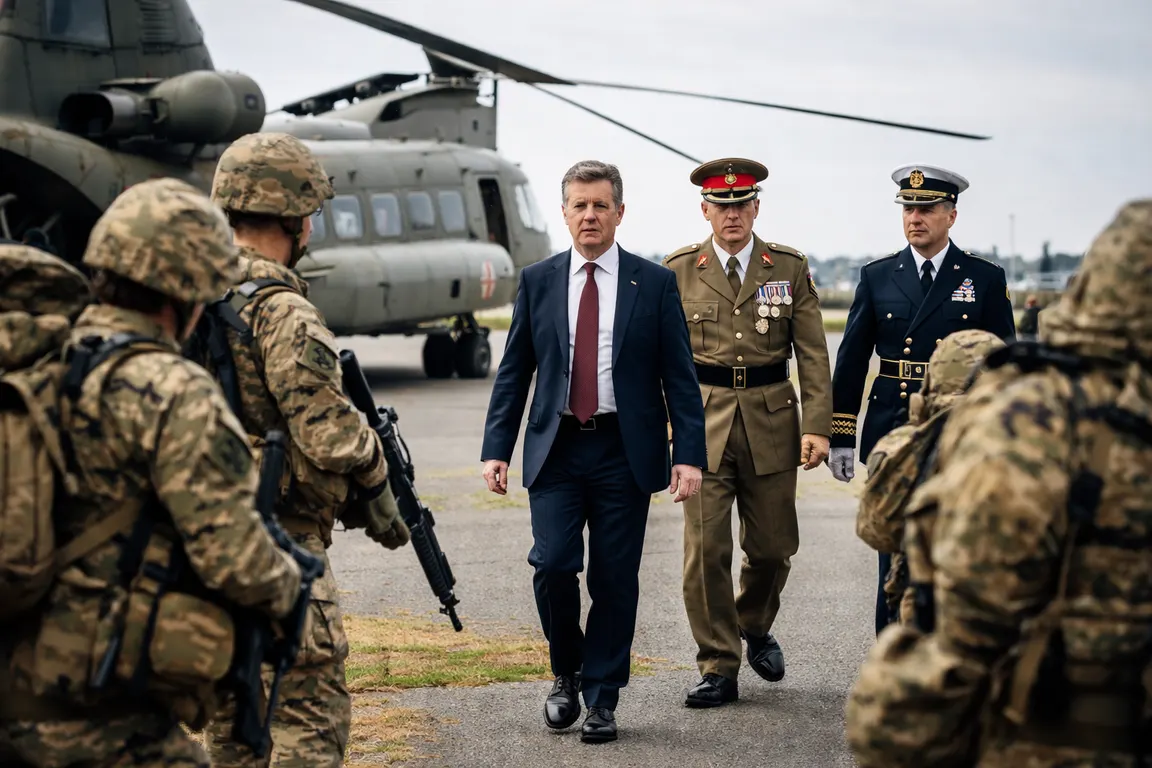
The UK's new defence investment plan, announced by Keir Starmer, aims to boost the country's military spending with a £298bn investment over four years. However, the UK Defence Plan leaves a significant £4.7bn funding gap that the next Prime Minister will have to address, potentially impacting the UK's ability to meet its NATO commitments and maintain national security.
The funding gap is a crucial issue for the country's security and international relations, as the UK's commitment to meeting NATO's spending target is at stake. By the end of the decade, the UK's military budgets will be short of NATO commitments, and the next PM will have to find a way to bridge the funding gap. Andy Burnham, the expected next PM, will have to allocate an additional £4.7bn for defence in his first budget, according to sources.
Sources close to Andy Burnham indicate that he will not attempt to renegotiate the defence investment plan, leaving uncertainty about how the funding gap will be addressed. The implications of the UK not meeting its NATO spending target are significant, and the defence investment plan's impact on the country's national security and international relations is still unclear. The UK's military personnel, taxpayers, and international allies will all be affected by the plan and the funding gap.
As the UK's new defence investment plan takes shape, the next PM will have to navigate a complex web of security priorities and budget constraints. The next PM's first budget will be crucial in addressing the funding gap and ensuring the UK meets its NATO commitments. With the UK's national security and international relations at stake, finding a solution to the funding gap will be a top priority for the incoming government.
The UK's commitment to NATO is a key aspect of its national security strategy, and failing to meet the spending target could have significant consequences. The defence investment plan's funding gap will require careful consideration and planning to ensure that the UK can maintain its military capabilities and meet its international obligations. As the UK's new government takes office, it will face significant challenges in addressing the funding gap and ensuring the country's national security and international relations are protected.