

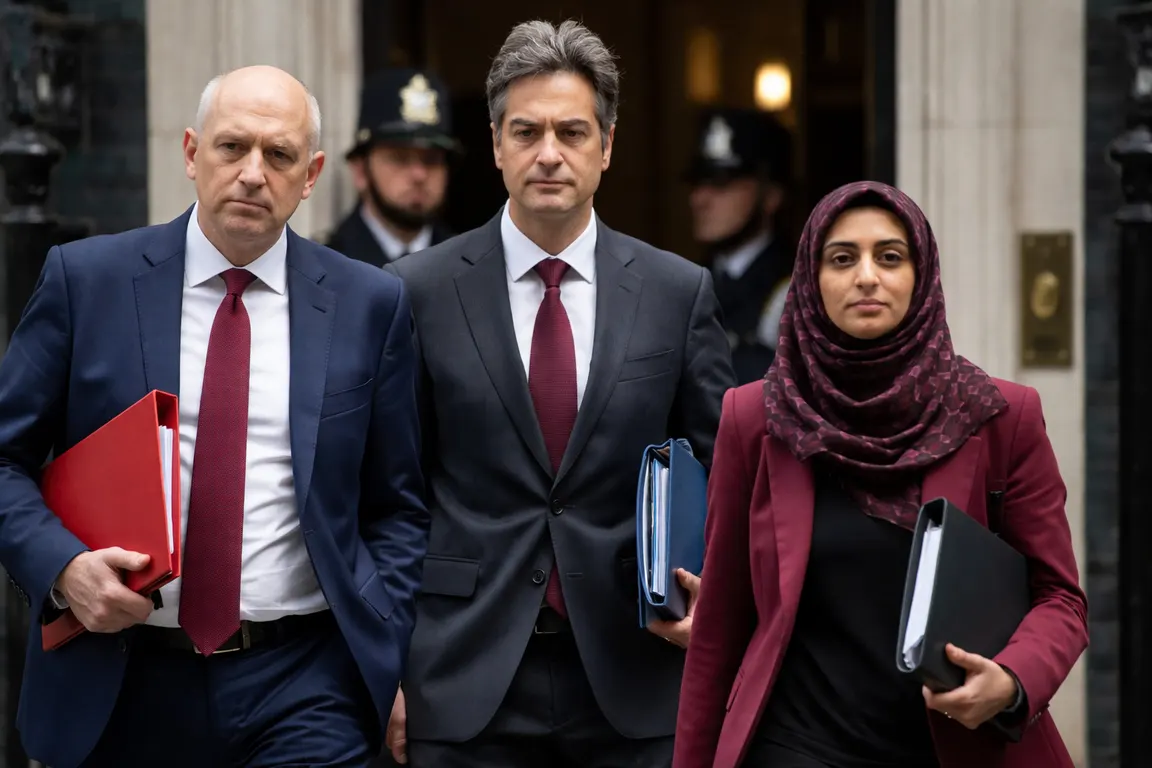
The UK's new cabinet, announced by Prime Minister Andy Burnham, has sparked controversy over its lack of diversity and perceived lack of qualifications among some ministers. The UK Cabinet includes John Healey as Chancellor of the Exchequer, Ed Miliband as Foreign Secretary, and Shabana Mahmood as Home Secretary. Critics argue that the cabinet's makeup, with many members having attended elite private schools and universities, may hinder the government's ability to effectively address the country's pressing issues.
The government has announced plans to cut VAT on electricity and increase spending on welfare and social care. However, the handling of immigration and border security has drawn criticism. The cabinet's composition has raised concerns about social mobility and access to power. Some ministers, such as Louise Haigh, have been appointed despite questionable qualifications and experience. Haigh, who has been convicted of fraud, will serve as First Secretary of State and Chancellor of the Duchy of Lancaster.
The government's plans to nationalize British Steel and increase public ownership of heavy industry and transportation have significant implications for the UK's economy. The potential consequences of these plans are still being debated. On one hand, the move could lead to increased economic growth and job creation. On the other hand, it may also lead to increased government debt and inefficiencies in state-owned enterprises. The UK Cabinet's lack of diversity and qualifications may impact its ability to effectively address the country's pressing issues, including the economy, public services, and social welfare.
The government's policies on immigration and border security are likely to affect the country's social cohesion and economic growth. The plans to cut VAT on electricity and increase spending on welfare and social care may have a positive impact on low-income households. However, the potential risks and benefits of these plans require further analysis. As the UK's new Prime Minister, Andy Burnham faces a daunting task in addressing the country's pressing issues with a cabinet that has been criticized for its lack of diversity and qualifications.
The next step for the government will be to implement its policies and address the concerns raised by critics. The implications of Burnham's cabinet appointments for the UK's economy and public services remain uncertain. The government's ability to effectively address the country's pressing issues will depend on its ability to work together and make informed decisions. The public will be watching closely as the government navigates these challenges and works to implement its policies.
The UK's new cabinet has sparked a national conversation about the importance of diversity and qualifications in government. The government's plans to nationalize British Steel and increase public ownership of heavy industry and transportation have significant implications for the UK's economy. As the government moves forward, it will be important to consider the potential consequences of its actions and to work towards creating a more diverse and qualified cabinet. The UK's citizens will be affected by the government's decisions, and it is essential that the government prioritizes their needs and concerns.