

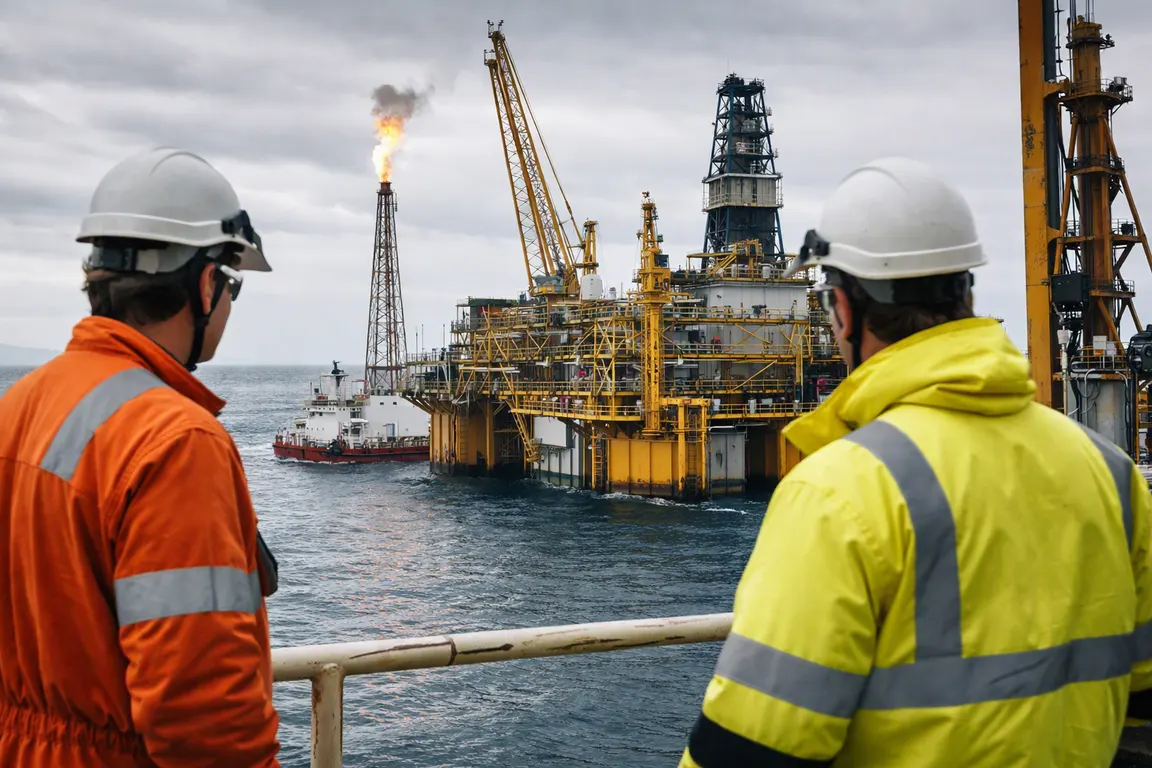
The government gave the green light to the Jackdaw gasfield approval in the North Sea on Oct. 15, clearing the way for production expected to start before the end of the month. The decision comes months after Labour’s 2024 election manifesto pledged to halt new drilling licences, prompting criticism that the move runs counter to the party’s climate commitments.
Jackdaw is projected to supply about 2 percent of the United Kingdom’s gas demand for roughly a decade. The field will be largely unmanned and operated remotely, creating an estimated 27 full‑time jobs in the offshore sector.
Industry observers had long expected the approval after intensive lobbying by Shell, the field’s operator. Greenpeace UK’s head of politics, Ami McCarthy, called the decision “climate vandalism” and warned it reflects a “toxic grip” of fossil‑fuel lobbyists. Several Labour MPs echoed the concern, saying the approval undermines the manifesto pledge and does little to lower energy bills. The BBC described the move as an “awkward energy trade‑off,” noting that a 2‑percent contribution is unlikely to shift wholesale gas prices.
Analysts say the field’s output is too small to have a measurable impact on household energy costs. The UK gas market is driven by global price dynamics, storage levels and broader supply‑demand balances, none of which are expected to change dramatically from Jackdaw’s modest flow. Consequently, consumers are unlikely to see immediate relief on their energy bills, despite the government’s suggestion that new domestic supply can help curb price volatility.
The economic benefits are limited. The 27 jobs are specialised and concentrated offshore, offering little relief for the broader workforce facing rising living costs. Financially, the field will generate revenue for Shell and its partners, reinforcing the role of fossil‑fuel companies in the UK energy mix.
Environmental groups argue the approval sets a concerning precedent for future licences, especially as the Rosebank oilfield remains under review. Critics contend that permitting new extraction projects runs counter to the UK’s legally binding net‑zero goal for 2050 and could lock in emissions for the next decade. The government, however, maintains that domestic production reduces reliance on imports and adds a layer of supply security, even if the contribution is modest.
The tension between short‑term supply arguments and longer‑term climate objectives will shape the next phase of UK energy policy. With the Rosebank decision pending and the offshore drilling debate intensifying, policymakers must reconcile the need for energy resilience with the imperative to decarbonise.
As Jackdaw prepares to flow gas into the national grid, the next test will be whether the government can demonstrate tangible benefits—beyond symbolic job numbers—to the public. Until data on price effects or emissions reductions emerge, the approval remains a flashpoint in the ongoing clash between energy‑security rhetoric and the UK’s climate commitments.