

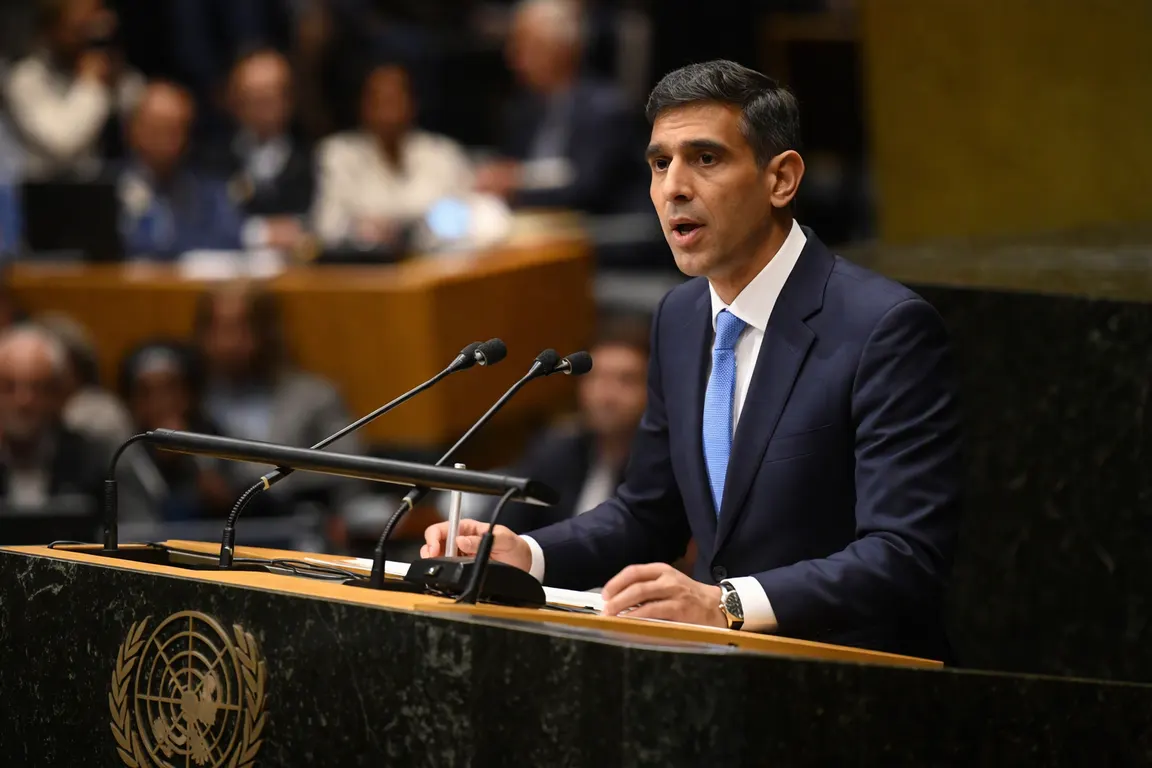
Prime Minister Rishi Sunak used his inaugural address to the United Nations General Assembly to announce a coordinated UK AI disinformation standards effort. He said Russian misinformation campaigns have become more sophisticated and described recent electoral interference as "repulsive" information warfare. Sunak pledged to work with "like‑minded nations" to identify, expose and counter such operations, though he gave no details on legislation, funding or enforcement mechanisms.
The speech linked the disinformation push to a broader drive for AI governance. Sunak called for international standards that emphasize transparency, accountability and safeguards against misuse, and said the United Kingdom would lead the drafting of such rules at the UN. No binding agreements or concrete programmes were announced.
Analysts note that deep‑fakes, automated content generation and targeted political advertising can amplify state‑backed propaganda, and that without coordinated standards AI‑driven misinformation could outpace existing legal frameworks. The UK's "honest broker" positioning suggests it hopes to mediate between competing national interests while protecting its own strategic priorities.
If adopted, the proposed AI standards could impose new compliance obligations on technology firms, such as mandatory audit trails, limits on data usage and tighter verification of political advertising. EU partners may see heightened scrutiny of foreign‑linked accounts, while Russian‑linked media outlets could face coordinated counter‑disinformation campaigns.
Sunak did not specify which diplomatic channels or multilateral bodies would be mobilised to label or block Russian electoral interference online, nor did he name potential coalition partners. Observers point to existing mechanisms—such as the Global Internet Forum to Counter Terrorism and the EU's Digital Services Act—as possible models, but the operational roadmap remains unclear.
The UN is set to begin a series of working‑group meetings where the UK will present draft language for AI standards and seek allies for a coordinated response to disinformation. The outcome will depend on whether the UK can turn its rhetorical commitments into actionable proposals that attract broad support, especially from countries wary that stringent AI rules could hinder innovation.
The next few weeks will reveal whether Sunak's address marks a substantive policy shift or remains a high‑profile statement without immediate effect.