

UAE warning to Israel on Hamas attack sparks election
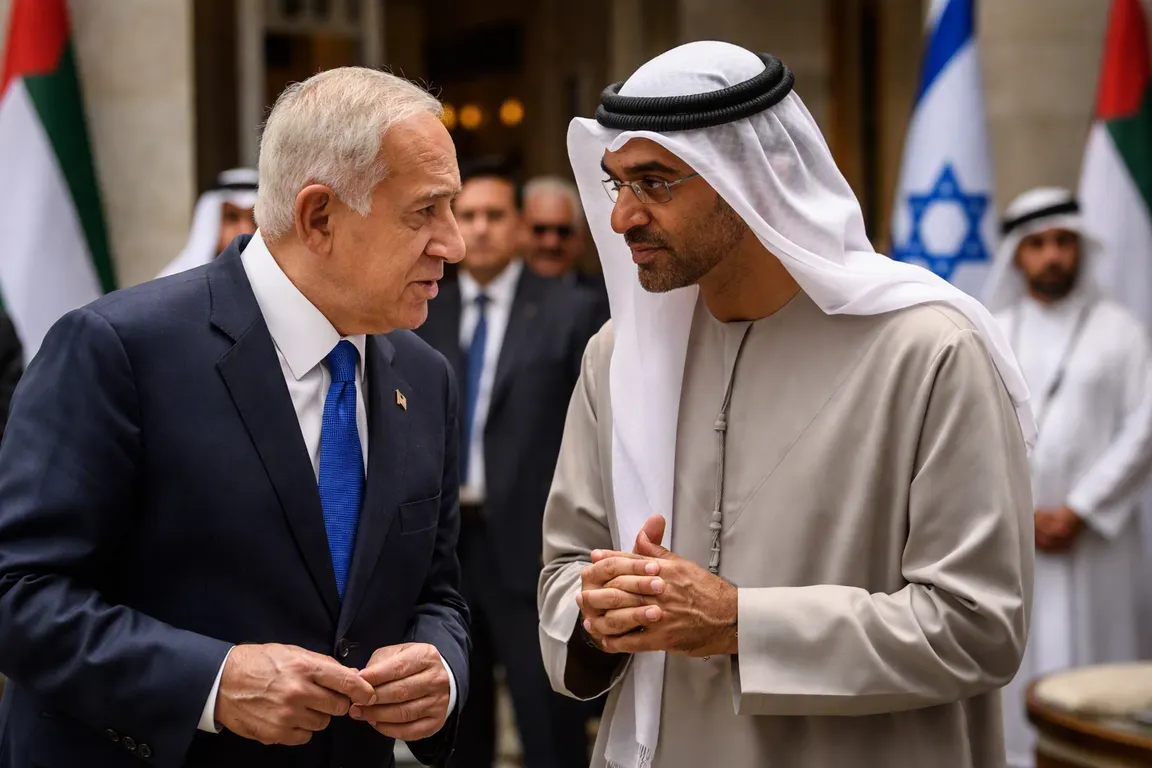
A forthcoming book by two Haaretz reporters claims that United Arab Emirates President Mohammed bin Zayed gave an UAE warning Israel Hamas on Sept. 27, 2023, telling Israeli Prime Minister Benjamin Netanyahu that Hamas leader Yahya Sinwar was planning a large‑scale operation. Netanyahu’s office called the allegation "an absolute lie" and said no such conversation took place.
The claim has surfaced weeks before Israel’s national elections in October 2024, putting intelligence assessments and decision‑making under fresh parliamentary and public scrutiny. If the warning were real, it would suggest regional partners had actionable intelligence that was not acted upon, raising questions about accountability and crisis‑response protocols. Even if unsubstantiated, the controversy could erode voter confidence in the incumbent government’s handling of security threats.
The book excerpt, reported by The Guardian, the Manila Times and cited by the New York Post, says bin Zayed’s alleged call warned of a "major Hamas operation" and cautioned that failure to act could jeopardize Israeli security and the Abraham Accords. Netanyahu’s spokesperson rejected the story outright, stating that no warning was received and that no formal inquiry has been opened. The Israeli government has not produced a transcript, recording, or third‑party verification, and the UAE foreign ministry has not confirmed the claim.
The timing is significant. The Oct. 7 Hamas attack, which left roughly 1,200 dead and 251 hostages, remains a defining event in Israeli politics. Intelligence reforms announced after the assault have focused on improving inter‑agency coordination and early‑warning capabilities. Opposition figures, including former chief of staff Gadi Eisenkot, have seized on the claim to argue that Netanyahu’s administration is "unfit" to lead, citing a perceived failure to heed regional warnings. The narrative is already appearing in campaign rhetoric as parties vie for voter trust ahead of the October ballot.
Regional implications are also at stake. The Abraham Accords, signed in 2020, depend on a fragile balance of security cooperation between Israel and several Gulf states, including the UAE. A credible warning from the Emirati president would underscore deep intelligence sharing that underpins the accords; a denial could strain the trust that sustains those relationships. Analysts note that even the perception of a missed warning can influence diplomatic calculations as the Middle East grapples with shifting alliances and the ongoing Gaza conflict.
Families of Oct. 7 victims have expressed renewed frustration over the lack of clear answers regarding the intelligence failures that preceded the assault. Advocacy groups are calling for a parliamentary investigation that would examine not only operational lapses but also the channels through which external warnings are evaluated. So far, the Israeli government has indicated it will not launch a separate probe into the alleged bin Zayed call, maintaining that existing inquiries cover broader intelligence shortcomings.
As the election campaign intensifies, the claim is likely to remain a point of contention. Journalists and analysts will continue to monitor whether new evidence emerges—from diplomatic cables, whistleblowers, or future disclosures by the parties involved. For now, the story illustrates how unresolved questions from a national tragedy can reverberate through political contests, diplomatic ties, and public trust in security institutions.