

Trump‑Xi Washington Summit Tests U.S. Trade Strategy
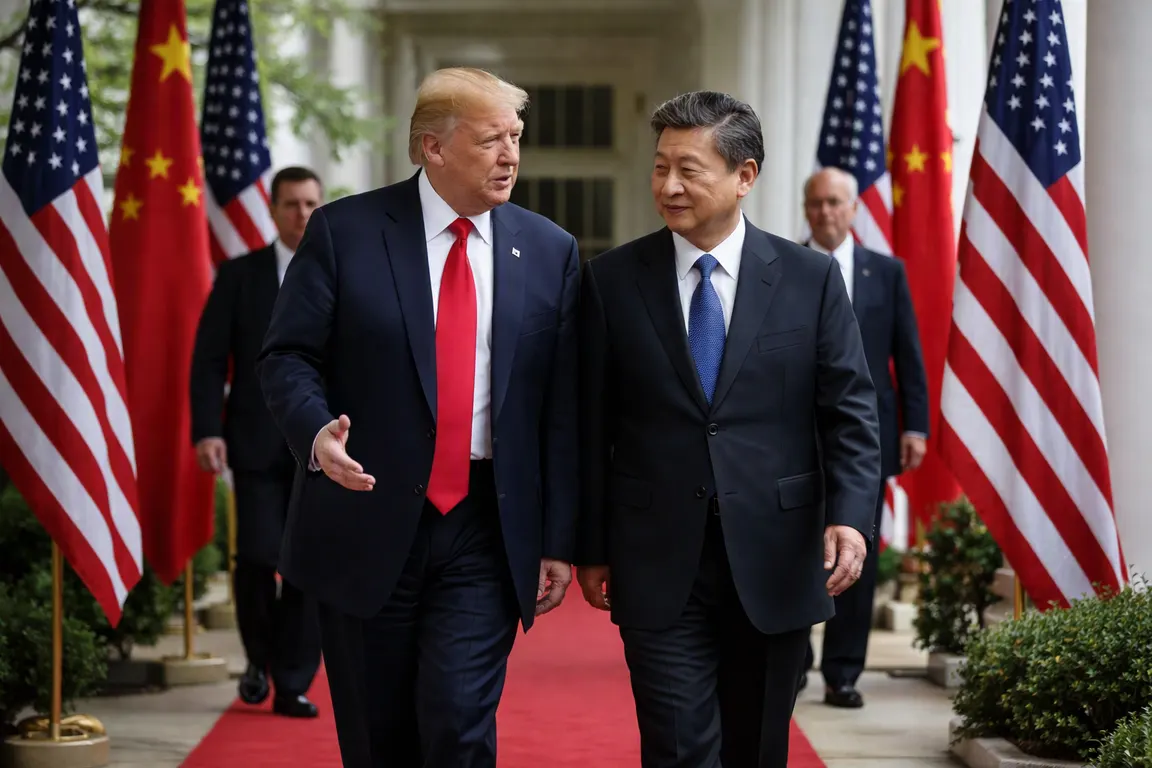
President Donald Trump will host Chinese President Xi Jinping in Washington, D.C., in the first face‑to‑face meeting between the two leaders since the trade war intensified in 2018. The Trump Xi Washington summit arrives as Washington struggles to keep Europe and Indo‑Pacific partners aligned on how to pressure Beijing.
The Oval Office talks could reshape tariffs, export controls and supply‑chain rules that affect technology, agriculture and other sectors. Business leaders, consumers and investors will be watching for any language that hints at changes to the hundreds of billions of dollars in duties that have been in place for three years.
Despite the tariffs, the United States trade deficit has held roughly steady, while China’s surplus has grown, according to data cited by Al Jazeera. Critics argue that unilateral duties have done little to correct the imbalance, raising questions about the efficacy of the current approach.
Allied cohesion is also fraying. Disagreements in Europe and the Indo‑Pacific over market access, intellectual‑property enforcement and security cooperation have weakened the coalition’s ability to present a united front, a trend noted by International Top News & Analysis. The BBC’s pre‑meeting briefing warned that the summit will test whether Washington can translate years of tariffs into a broader, coordinated strategy.
American exporters in soybeans, aircraft components and high‑tech equipment could benefit from any Chinese concessions that lower barriers. Conversely, consumers who rely on imported goods may see price volatility if new tariffs are added or existing ones are reinforced. Chinese exporters are likely to maintain their surplus unless the talks produce substantive market‑opening measures.
Investors are already parsing administration statements for clues, aware that even modest policy shifts can move equity and currency markets. Security concerns also loom large. The United States has linked trade policy to Indo‑Pacific stability, warning that economic coercion could spill into military posturing. Analysts note that without allied consensus, Washington’s leverage in both trade and security negotiations—ranging from naval deployments to cyber‑security norms—may be limited.
No concrete policy proposals have been announced, and the administration has offered no timeline beyond “preparing to meet.” The lack of detail leaves observers uncertain about tangible outcomes, though a joint statement outlining each side’s priorities is expected.
As the summit approaches, the central question remains: can the United States turn a decade of tariff battles into a coordinated strategy that retains influence despite waning allied unity? The answer will shape trade dynamics, security calculations and economic expectations for the United States, China and their partners in the months ahead.