

Trump‑Xi State Visit Ends Without Policy Announcements
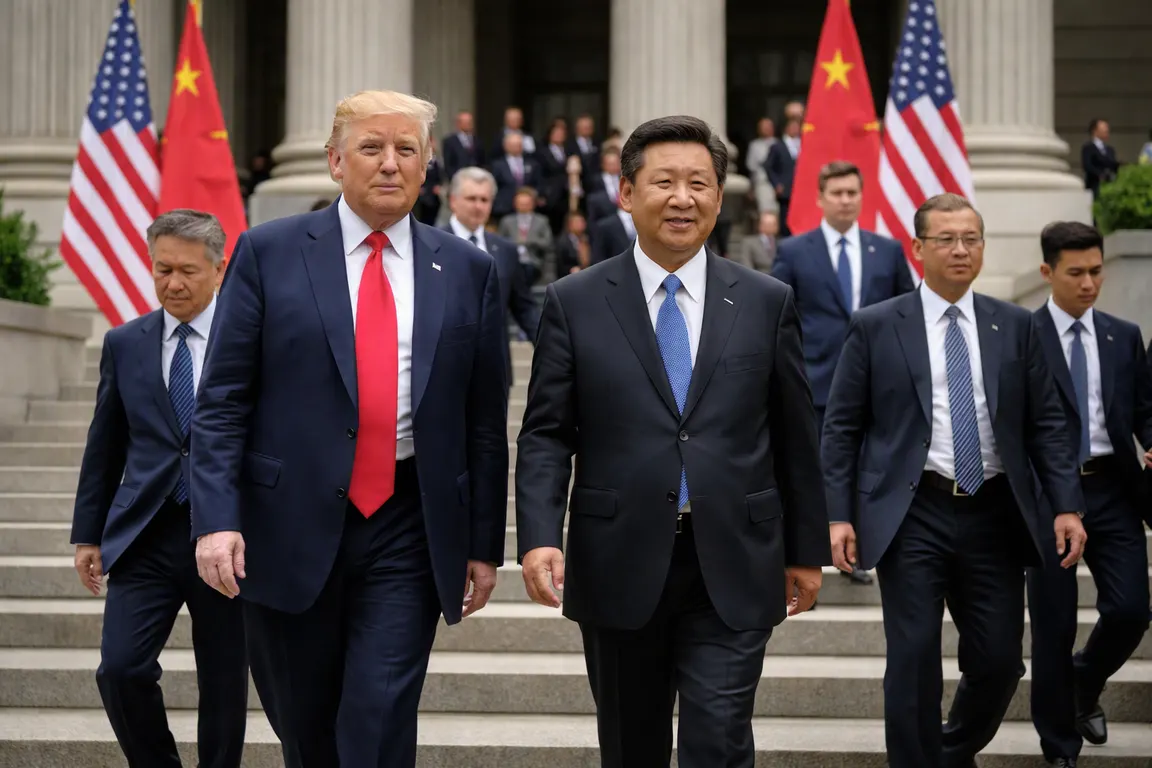
President Donald Trump and Chinese President Xi Jinping wrapped up a three‑day Trump Xi state visit in Washington with a tea ceremony in the West Wing and a tour of the National Archives, but no trade, security or legislative agreements were announced.
The meetings coincided with the United Nations General Assembly in New York, placing the encounter at the heart of a tense strategic rivalry. Business leaders, congressional committees and security analysts had been watching for signals that could affect tariffs, technology restrictions or defense cooperation. The lack of any concrete outcomes leaves those groups without guidance for the coming quarter.
The itinerary was largely symbolic. On day one, First Lady Melania Trump and Xi’s wife, Peng Liyuan, participated in a traditional tea ceremony inside the West Wing, a gesture highlighted by NBC News as a personal hospitality overture. The next two days featured private meetings between the presidents, while public events focused on cultural exchange. On the final day, Trump escorted Xi through the National Archives, where the Constitution and Bill of Rights are displayed, a setting described by The Independent as a "tour of America’s greatest treasures."
Critics quickly labeled the trip "heavy on pomp and light on substance." Observers quoted by The Independent argued that the focus on ceremony diverted attention from substantive dialogue. Al Jazeera, reporting from the UNGA context, noted that the broader diplomatic agenda remained opaque. NBC framed the visit as an opportunity for future meetings and mutual hospitality, without indicating any immediate policy shifts.
For U.S. firms that rely on predictable China‑U.S. trade rules, the visit’s ambiguity sustains uncertainty. Importers of Chinese components, exporters of agricultural products and technology companies awaiting guidance on export controls have few new data points for risk assessments. Congressional committees that oversee trade and national security similarly lack fresh testimony or proposals to evaluate. National‑security planners are left without clear indicators of whether strategic competition will intensify or ease.
The emphasis on the Constitution raises questions about diplomatic strategy. By showcasing America’s founding charter, the administration signaled a commitment to democratic principles, a narrative often contrasted with China’s political system. Without accompanying policy proposals, the gesture may serve more as public relations than as leverage in trade or security negotiations.
Looking ahead, the White House said the two leaders will continue "dialogue on areas of mutual interest," but offered no timetable or agenda. Analysts expect any substantive agreements to emerge from separate working‑level talks rather than headline‑making state visits. Until such details appear, businesses and policymakers will have to navigate the same ambiguities that defined the Trump‑Xi encounter.