

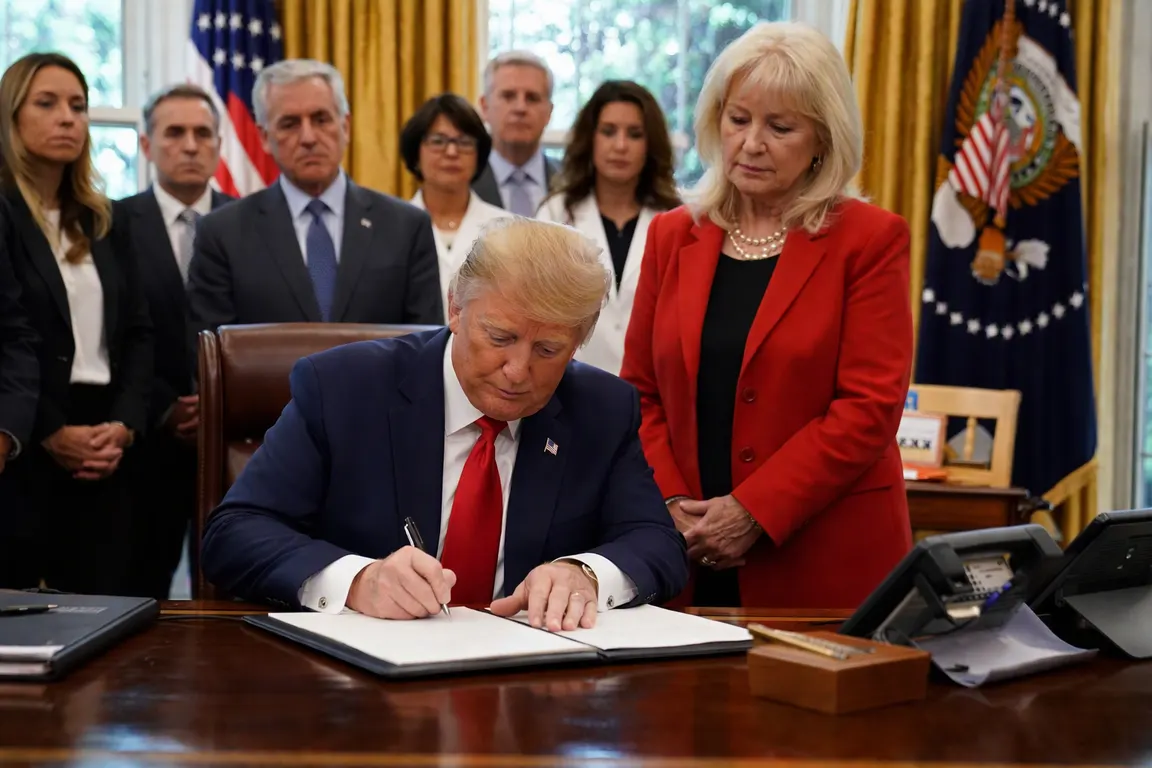
President Donald Trump signed an executive order on Monday establishing a dedicated NIH women's health office. The order also appointed political operative Susie Wiles to lead a task force that will oversee the new office.
The office will develop a strategic plan for women’s health research, improve data standards and foster collaboration across NIH institutes. It is the first formal NIH entity focused solely on coordinating research, data collection and outreach on women’s health.
Supporters say the office could streamline funding and give greater attention to conditions that disproportionately affect women, such as endometriosis, ovarian cancer and cardiovascular disease. Critics note that the order provides no details on the office’s authority, budget, or reporting structure, and no congressional appropriations have been announced.
NIH already funds women‑focused studies through institutes such as the National Institute on Aging and the National Heart, Lung, and Blood Institute. The new office is intended to serve as a central coordinating entity, potentially consolidating grant review processes and setting research priorities across those programs. Analysts caution that without clear guidance, the office could duplicate existing efforts rather than augment them.
Researchers may soon encounter new reporting lines and could become eligible for targeted grant opportunities if dedicated funding is secured. Pharmaceutical and biotech companies developing therapies for women‑specific conditions may adjust partnership strategies in response to shifting federal priorities. Advocacy groups are expected to lobby the office for resources and influence its research agenda.
The order cites First Lady Melania Trump’s advocacy as a catalyst and describes the action as a “historic” and “transformative” moment for women’s health in the United States. However, the timing coincides with broader debates over the administration’s health policies, including efforts to roll back certain reproductive‑health regulations. Some observers argue the initiative may conflict with policies that limit access to reproductive services.
The operational launch remains uncertain. The order does not set a timeline for staffing, budget allocation or the issuance of a strategic plan. Susie Wiles has not publicly detailed next steps, and NIH officials declined to comment on implementation schedules.
Key unanswered questions include the size of the office’s budget, the authority it will have to direct research priorities, and how it will coordinate with existing NIH programs. Stakeholders will be watching for the first budget request or legislative language that clarifies the office’s scope. Until those details emerge, the impact on women’s health outcomes and related sectors will depend on how quickly the new office can translate its mandate into concrete actions.