

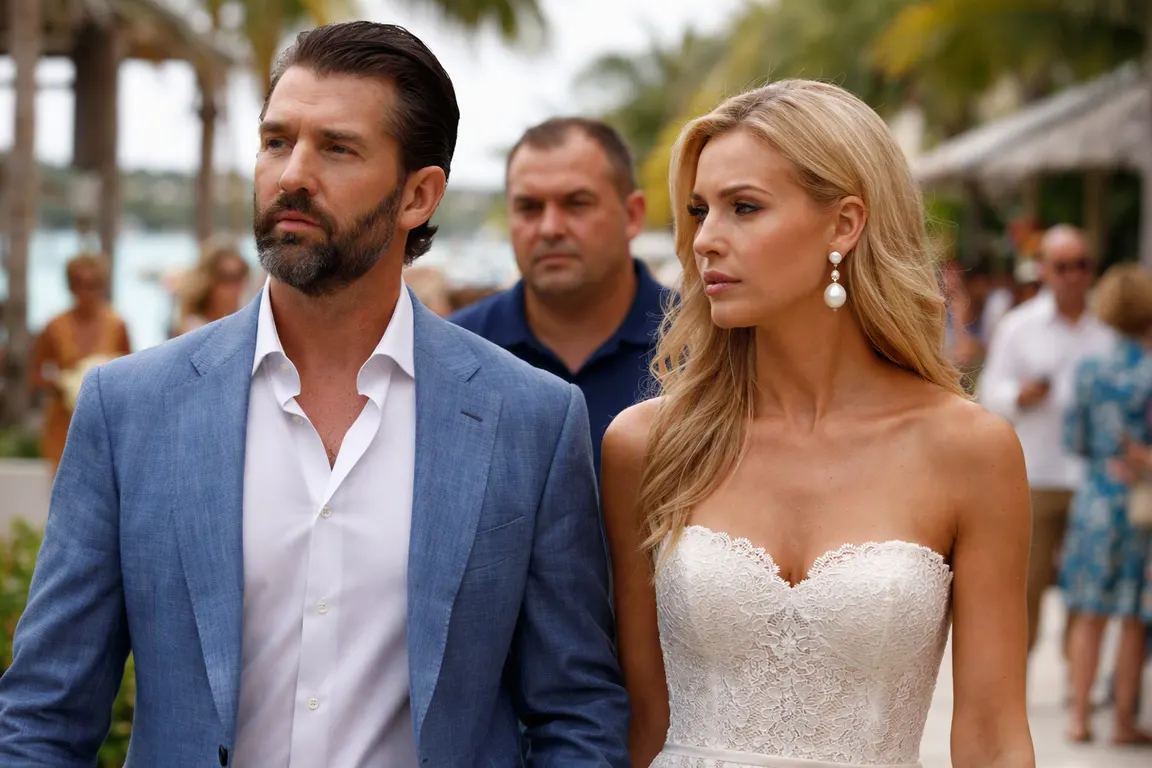
President Donald Trump said in July that his son, Donald Trump Jr., reimbursed a Russian‑linked businessman who paid for the two‑day Bahamas celebration surrounding his May wedding to Bettina Trump. The Trump family acknowledged the gift in an Instagram post, describing the donor, Umar Kremlev, president of the International Boxing Association (IBA), as a "dear friend."
Kremlev’s ties to Russia are well documented. He received the Order of Friendship from President Vladimir Putin in April 2026, has been linked to the Federal Protective Service, and is associated with the Night Wolves biker club that supported Russia’s 2014 annexation of Crimea. The International Olympic Committee recently cut ties with the IBA over governance and ethical concerns, adding another layer of controversy to Kremlev’s public profile.
U.S. law on foreign gifts is clear. The Foreign Gifts and Emoluments statutes prohibit members of the President’s family from receiving gifts from foreign nationals that exceed $5,000 in value unless the gift is approved by the Treasury and reported. The Federal Election Campaign Act also requires disclosure of any contributions that could influence a federal official. If Kremlev’s payment for the wedding exceeded the $5,000 threshold and was not reported, it could constitute a breach of those rules.
President Trump’s assertion that his son repaid Kremlev has not been independently verified. No court filings, bank records, or third‑party confirmations have surfaced to substantiate the repayment. The claim rests on the President’s statement, which was echoed by the Wall Street Journal and the New York Post. The Manila Times provided background on Kremlev’s Russian connections but offered no evidence of a return of funds.
The episode raises questions about the effectiveness of existing oversight mechanisms. The Office of Government Ethics oversees compliance with foreign‑gift rules, but enforcement relies on voluntary disclosure and periodic audits. The Department of Justice can pursue criminal violations, yet investigations often hinge on concrete financial trails. Congressional committees have previously examined foreign influence in the Trump administration and have signaled interest in expanding reporting requirements for gifts to family members of senior officials.
Beyond the legal dimensions, the incident could affect the IBA’s standing with the International Olympic Committee and its sponsors. The IOC’s decision to sever ties with the IBA was already motivated by governance concerns; further controversy surrounding Kremlev’s financial dealings may deepen the organization’s isolation and impact boxing’s Olympic prospects.
As the story develops, the Office of Government Ethics is likely to review the matter, and congressional hearings on foreign‑gift compliance could follow. Whether a formal investigation opens will depend on the emergence of verifiable evidence of repayment or an undisclosed benefit to the Trump family. Until such documentation appears, the case highlights the challenges of monitoring foreign influence in U.S. politics and the need for clearer, enforceable rules on gifts to political families.