

Trump threatens Iran at UN, raising diplomatic and market
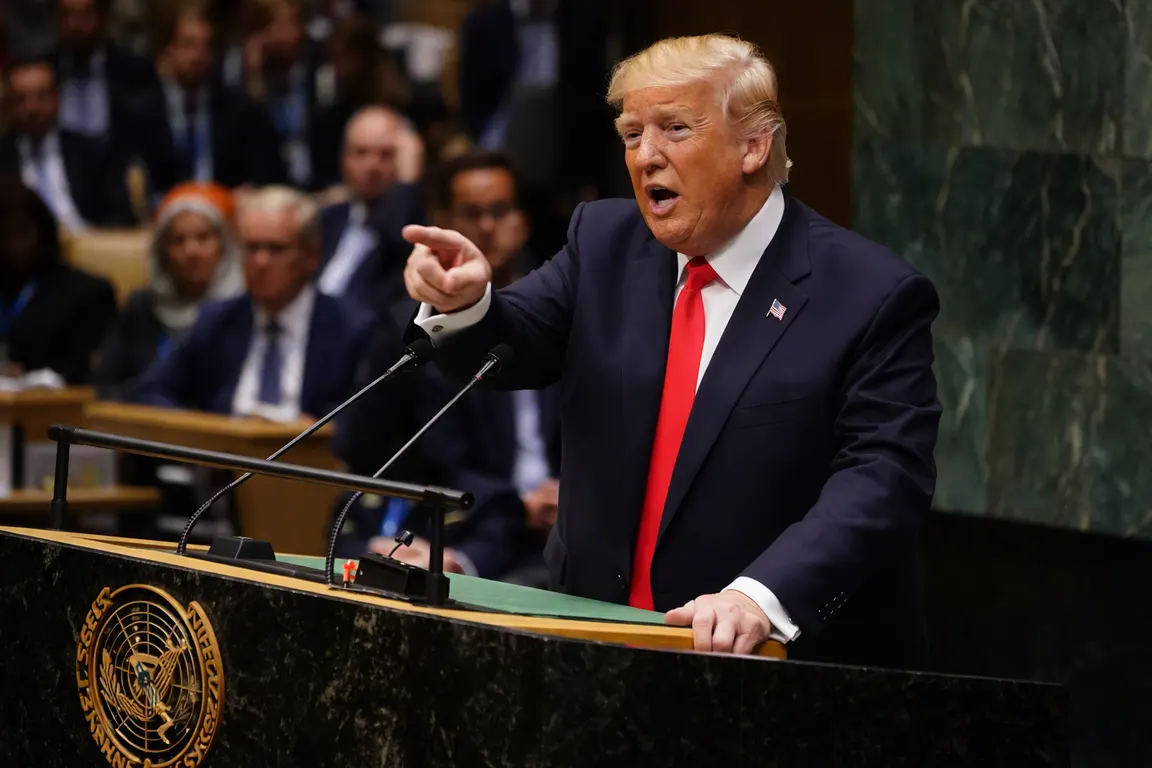
President Donald Trump told the United Nations General Assembly on Sept. 19 that the United States faces a "big decision" – to either "annihilate" Iran or pursue a peace deal. It was the first time a sitting U.S. president has used the word "annihilate" to describe a UN member state, marking a notable Trump Iran UN threat.
The remark came as the president was campaigning for the 2024 midterm elections and followed a series of limited U.S. strikes on Iranian‑linked targets in February. No new policy directive or executive order was announced, and neither the Pentagon nor the State Department confirmed any plan to launch a new war.
At minute 11 of his 40‑minute address, Trump said the United States must decide whether to "annihilate" Iran or work toward a peace agreement. United Nations Secretary‑General António Guterres, who spoke earlier in the session, warned of deepening global divisions but did not reference the president's threat.
Analysts placed the language in historical context. The Guardian likened it to Cold‑War era threats, noting the unprecedented nature of a U.S. president calling for the destruction of a sovereign nation on the world stage. The Independent suggested the comment reflected political posturing rather than an operational blueprint, while a Wall Street Journal opinion piece argued the rhetoric was tied to domestic electoral calculations.
Regional actors have already adjusted their security postures. Iranian officials denounced the comment as "dangerous intimidation" and reiterated Tehran’s commitment to its nuclear program. Iraq, Saudi Arabia and Israel reported heightened alert levels, and Gulf diplomats said back‑channel communications have increased in an effort to prevent escalation.
Markets reacted quickly. Brent crude futures rose about 1.8 percent in the hours after the speech, reflecting investor concern over a possible supply shock. Analysts warned that sustained hostile rhetoric could push oil prices higher, raising fuel costs for consumers worldwide and adding pressure to already strained supply chains.
Humanitarian concerns were also raised. If the rhetoric were to translate into action, Iranian civilians could face heightened risk, compounding existing humanitarian needs and potentially prompting refugee flows into neighboring states.
The United States has not released any official document outlining a new military strategy toward Iran. Observers said the next indicator will be whether the administration follows the speech with diplomatic outreach – such as renewed talks with European partners or a formal request for a UN Security Council meeting.
Until concrete steps are taken, policymakers, markets and regional governments must contend with uncertainty generated by a single, high‑profile statement.
The episode underscores how presidential rhetoric can ripple through diplomatic channels, regional security calculations and global commodity markets, even in the absence of an official policy shift.