

Trump Iran comment raises policy, legal and market concerns
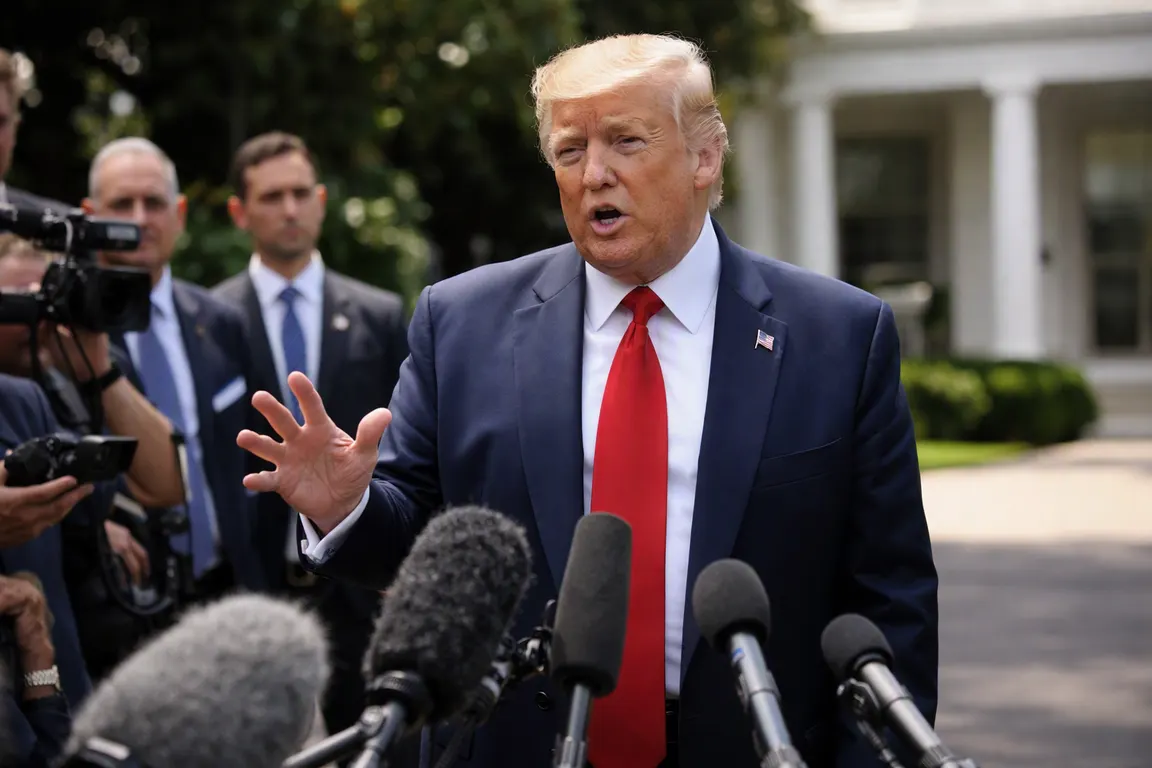
President Donald Trump told reporters Thursday that he faced a "big decision" about whether to "annihilate" Iran, asking, "Do I want to go in and annihilate them?" The remark appeared in three outlets—the New York Post, Independent World and The American Conservative—within hours of each other. No executive order, military directive or other official document confirming a shift in U.S. strategy has been released.
The comment matters because it injects war‑like language into public discourse while diplomatic channels with Tehran remain fragile. Even without a concrete plan, such rhetoric can alter diplomatic calculations, invite legal scrutiny of U.S. war powers and stir volatility in markets tied to Middle‑East stability.
The three reports agree on the core phrasing but differ in context. The New York Post framed the remark as a crossroads on war; Independent World highlighted the president’s personal unpredictability; The American Conservative linked it to an unverified claim that United Nations investigators had "reasonable grounds" to suspect U.S. war crimes in Iran. None of the outlets provided independent verification of the exact wording, the setting of the remarks, or a response from the Pentagon, the National Security Council or allied governments.
Legal experts note that public statements suggesting the use of force against a sovereign nation can trigger scrutiny under the War Powers Resolution and international law, which require clear congressional authorization or a self‑defense justification. If the United States were to pursue an attack, the absence of a formal decision could raise questions about the legality of any ensuing military action.
The market impact is already evident. Analysts monitoring oil futures reported a modest uptick in Brent crude prices after Thursday’s remarks, reflecting heightened perceived risk to supply routes in the Persian Gulf. Defense‑sector stocks rose slightly, and currency markets showed increased volatility in the U.S. dollar against the euro and yen. The moves illustrate how rhetoric alone can affect investor sentiment, even absent an operational plan.
Regional allies are watching closely. NATO members have not issued statements, and Gulf Cooperation Council states, which balance security cooperation with concerns over escalation, have remained silent. The lack of an official U.S. response leaves partners to interpret the president’s words, potentially prompting recalibrations of their own defense postures and diplomatic outreach.
Domestically, the comments may shape public opinion ahead of upcoming elections and could influence congressional oversight of executive war powers. Lawmakers are likely to seek clarification from the Department of Defense or request briefings from intelligence agencies to assess whether any actionable policy shift is underway.
No timeline, troop numbers or missile counts were disclosed, and the president’s remarks were made in a public setting rather than a classified briefing. The absence of concrete details means policymakers, markets and the public must navigate uncertainty based on a single, provocative sentence.
The next step is unclear. The White House has not issued a statement, and the Pentagon has not confirmed any change in operational planning. Observers will be watching for formal briefings, legislative inquiries or diplomatic signals that could clarify whether the rhetoric signals a genuine policy pivot or remains posturing.