

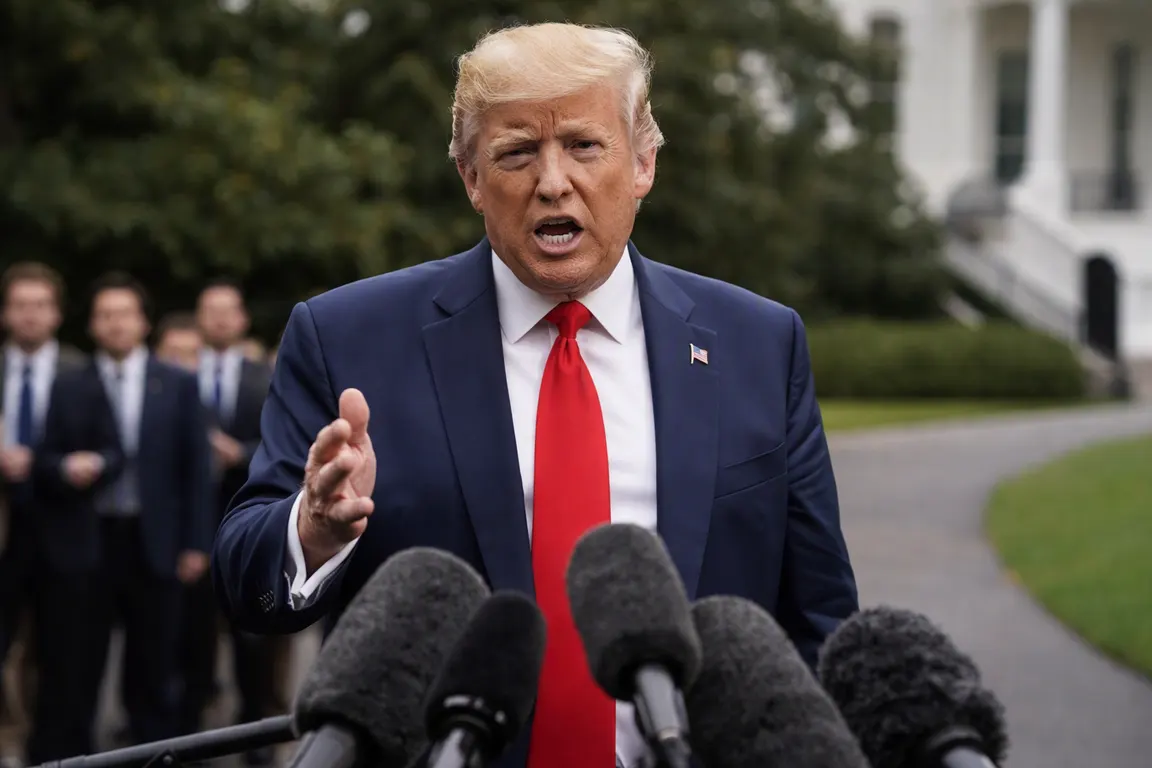
President Donald Trump urged the Federal Communications Commission on Sunday to issue a rebuke against NBC’s Kristen Welker after she described the election results of candidates the president backed as “mixed.” The request, reported by The Guardian, The Independent and Al Jazeera, adds to a series of recent attempts by the administration to enlist the agency against news outlets it deems to be spreading “fake news.”
Welker, the moderator of NBC’s Meet the Press, noted on the network’s Washington‑DC affiliate that candidates Trump endorsed in recent races had a split of victories and defeats. The comment was a factual summary of the election outcomes, yet Trump called on the FCC to issue a “rebuke or punishment” for the segment.
The FCC’s statutory mandate is limited to managing broadcast spectrum, enforcing technical standards and promoting competition in the communications marketplace. Its governing statutes do not give the agency authority to discipline journalists for on‑air commentary. No formal complaint, hearing or sanction against Welker has been reported, and agency officials have not indicated any intention to act on the president’s suggestion.
The president’s demand raises concerns about regulatory independence. If the FCC were to intervene, it could set a precedent for using a technical regulator to punish individual reporters, potentially chilling news coverage and eroding public confidence in both the media and the agency.
The episode follows a prior incident in which Trump directed the FCC to intervene against ABC, a move the network says forced it to alter its programming schedule. Media watchdogs have criticized those actions as an attempt to weaponize the agency to silence dissenting coverage.
Lawmakers and advocacy groups are already debating the implications. Congressional oversight committees may seek briefings to determine whether the president’s request conflicts with the FCC’s statutory role. Until a formal action materializes, the incident serves as a litmus test for the resilience of regulatory independence in a polarized media environment.
For newsrooms, the prospect of a regulator being mobilized over a routine interview heightens the risk of self‑censorship. Broadcasters may weigh the cost of potential FCC scrutiny against the public interest of reporting election outcomes, especially when a sitting president is willing to enlist a federal agency as a pressure point.
At present, the FCC has not announced any investigation, and its chair has not publicly addressed Trump’s comments. The agency’s response, or lack thereof, will likely shape how future disputes between the administration and the press are handled.