

Trump endorsement of Netanyahu ahead of Israel election
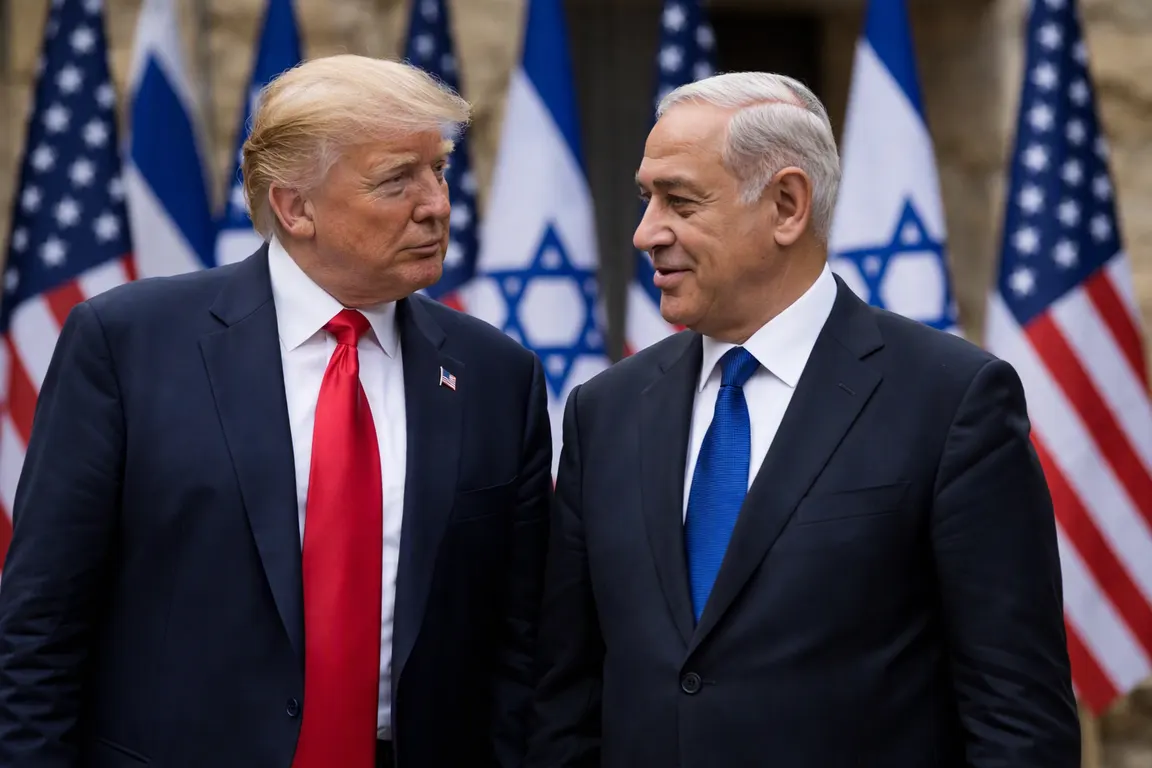
Former President Donald Trump posted a social‑media endorsement of Israeli Prime Minister Benjamin Netanyahu on Oct. 18, 2024, calling the leader “strong, brave and brilliant.” The endorsement came nine days before Israel’s legislative election on Oct. 27, the first national vote since the Oct. 7, 2023 Hamas attack that sparked the current war in Gaza.
Trump’s endorsement was made on his personal platform, not through any official U.S. channel. While the message carries no policy announcement, its visibility could influence how U.S. policymakers, defense contractors and regional actors assess Washington’s stance toward the incumbent government as Israel continues its military operations in Gaza and prepares for a tightly contested election.
The endorsement was reported by The American Conservative, The Wall Street Journal, The Independent and Al Jazeera. All outlets confirmed that Trump expressed personal support for Netanyahu and that no accompanying U.S. government comment accompanied the post. Netanyahu, who has led Israel through the ongoing conflict, is seeking re‑election. The election is expected to be decided by coalition negotiations rather than a single‑party majority.
In Israel, the endorsement may be read by voters as external pressure on a domestic decision. Israeli electorates are historically wary of foreign influence, especially from a figure who previously shaped U.S. aid packages. However, there is no evidence that the endorsement will alter the United States’ existing security assistance, which remains governed by the 2016 Memorandum of Understanding and has seen no new funding proposals since the post.
For U.S. officials, the endorsement adds a diplomatic nuance. The Biden administration has repeatedly emphasized its own policy agenda, but statements from former officials can create expectations among congressional committees that oversee foreign aid. Defense contractors monitoring the Israeli market may watch for any signals that could affect procurement cycles, though any real impact would depend on formal budget decisions rather than a personal endorsement.
Regional actors are likely to interpret the move through the broader conflict lens. Palestinian authorities and neighboring states such as Egypt and Jordan have warned that heightened U.S. alignment with Netanyahu could undermine cease‑fire efforts and a negotiated settlement. Yet, without an official shift in U.S. policy, Trump’s comment remains symbolic rather than a binding commitment.
The Oct. 27 vote will determine the composition of Israel’s next government and, by extension, the parameters of its security strategy. Coalition talks are expected to be intensive, with parties ranging from right‑wing nationalists to centrist and left‑leaning factions vying for influence. How the new coalition navigates the Gaza war, reconstruction and diplomatic outreach will shape the next phase of U.S.–Israel engagement.
As the election approaches, observers will look for any official statements from the State Department or the White House that clarify Washington’s position. Until such guidance is issued, the practical implications of Trump’s endorsement remain uncertain, leaving both Israeli voters and U.S. officials to assess its relevance against the backdrop of an ongoing conflict and a pivotal election.