

Trump urges calls to Senator Cotton on Sunshine Protection
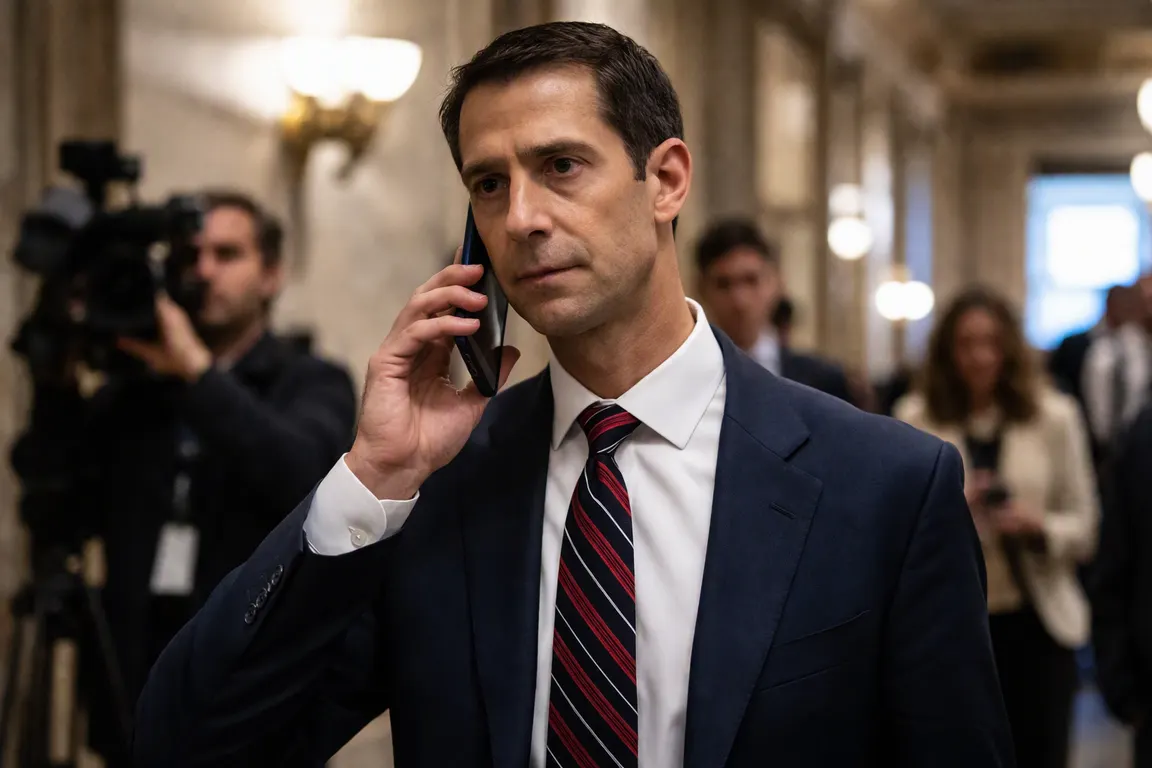
President Donald Trump posted what appeared to be Senator Tom Cotton’s personal cellphone number on social media Saturday, urging supporters to call the senator and press him to vote for the Sunshine Protection Act. The bipartisan bill would keep the United States on daylight‑saving time year‑round and cleared the House in July, but it has stalled in the Senate.
Trump’s public use of a private contact detail raises privacy concerns and highlights his effort to mobilize grassroots pressure on a pivotal Republican vote. Cotton, chair of the Senate Intelligence Committee, is viewed as a swing vote. The post included a ten‑digit number and a caption urging Americans to “call him and tell him to vote yes.” Cotton’s office has not confirmed the number’s authenticity.
Major outlets—including Al Jazeera, NBC, The Guardian and The Independent—reported the posting, each emphasizing different angles such as privacy implications, safety arguments and the bill’s House passage. None reported verification from Cotton’s team.
If enacted, permanent daylight‑saving time would shift morning light later in winter and earlier in summer for all U.S. residents. Proponents say it would extend evening daylight, boosting commerce, recreation and aligning work schedules with peak activity hours. Opponents warn that darker winter mornings could increase hazards for schoolchildren and commuters, and cite studies linking permanent daylight‑saving time to health and safety risks.
The Senate debate remains unsettled. Some senators cite safety and health concerns, while others question the broader impact of altering a long‑standing time‑keeping system. Researchers note mixed evidence on energy savings, and safety experts caution that later sunrise in winter could raise the risk of traffic accidents involving children and early‑morning workers.
Trump’s tactic is unusual for a former president, directly sharing a private phone number to pressure a legislator. The move raises questions about the propriety of personal‑contact pressure tactics and the precedent it may set for future political advocacy. It also reflects a broader strategy of direct public mobilization that bypasses traditional lobbying channels, turning a policy dispute into a grassroots phone‑in effort.
As the Senate schedules its next votes, Cotton’s response—or lack thereof—to the public outreach will likely influence the next round of debate. The episode may prompt lawmakers to reconsider how personal data is used in political advocacy moving forward.