

Trump $5,000 Payment Plan Raises $1.2 Trillion Cost Question
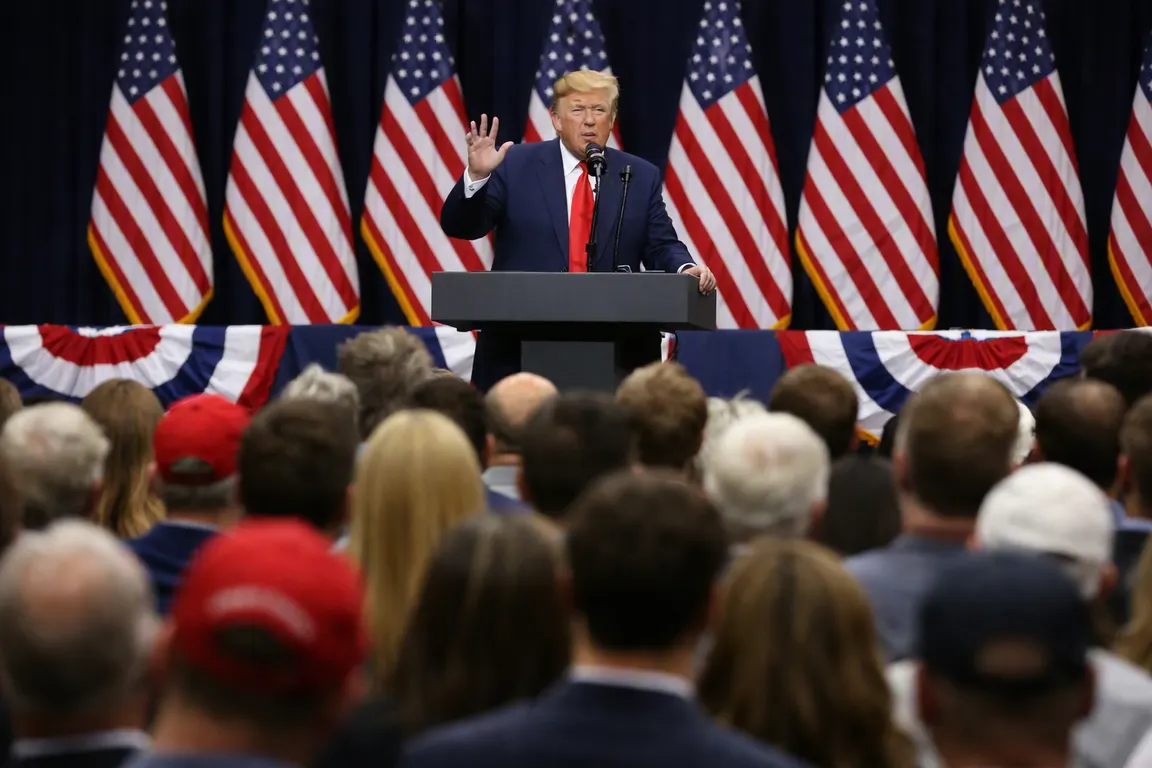
Former President Donald Trump told a crowd at the Republican midterm convention in Dallas that every adult American would receive a $5,000 cash payment if Republicans retain majorities in both chambers after the November 2024 elections. The Trump $5,000 payment plan, announced weeks before the midterms, translates campaign rhetoric into a fiscal estimate that analysts say could cost between $1.2 trillion and $1.3 trillion, based on roughly 250 million U.S. adults.
The promise would add to the already historic $40 trillion national debt. No funding mechanism has been outlined, and legal scholars note that any direct cash distribution would require new legislation, an appropriation of funds, or a reallocation of existing budget items. The Treasury would also have to devise a delivery system, a task never attempted on a national scale.
Democratic leaders have moved quickly to counter the pledge. House Democratic leader Hakeem Jeffries purchased a Thursday Night Football advertising slot that will run in the final two months before the election, warning viewers about the fiscal risk of a $5,000 dividend. The ad, reported by The Independent World, is part of a broader strategy to frame the promise as a potential burden on taxpayers and the federal budget.
Economists caution that a trillion‑dollar outlay could raise debt‑service costs, crowd out other spending priorities and put upward pressure on inflation if financed through borrowing. While a direct payment might boost consumer spending in the short term, the longer‑term impact on fiscal stability remains uncertain. Funding the payout would likely require additional debt issuance, which could affect market confidence and borrowing rates.
Legal pathways for such a payout are unclear. The Constitution gives Congress the power of the purse, and any direct cash distribution would have to be authorized by law. Past universal cash payments, such as the COVID‑19 stimulus checks, were enacted through emergency legislation. Critics argue that tying a cash payment to an election outcome raises constitutional concerns about the separation of powers and the proper use of public funds.
Internationally, offering cash incentives to sway voters has been documented in several democracies. The Independent World notes that similar tactics have sparked debates about electoral fairness abroad, but those comparisons do not resolve the legal questions unique to the United States.
With less than two months until voters head to the polls, the timing of the pledge intensifies its political relevance. The promise has already become a focal point of campaign advertising and policy discussion, forcing both parties to articulate how—or if—such a program could be implemented without jeopardizing fiscal health.
Congressional committees are expected to examine the proposal in the coming weeks, though no formal hearings have been scheduled. Until legislation is introduced and debated, the $5,000 dividend remains a conditional promise whose feasibility hinges on a combination of legal authority, budgetary choices and political will.