

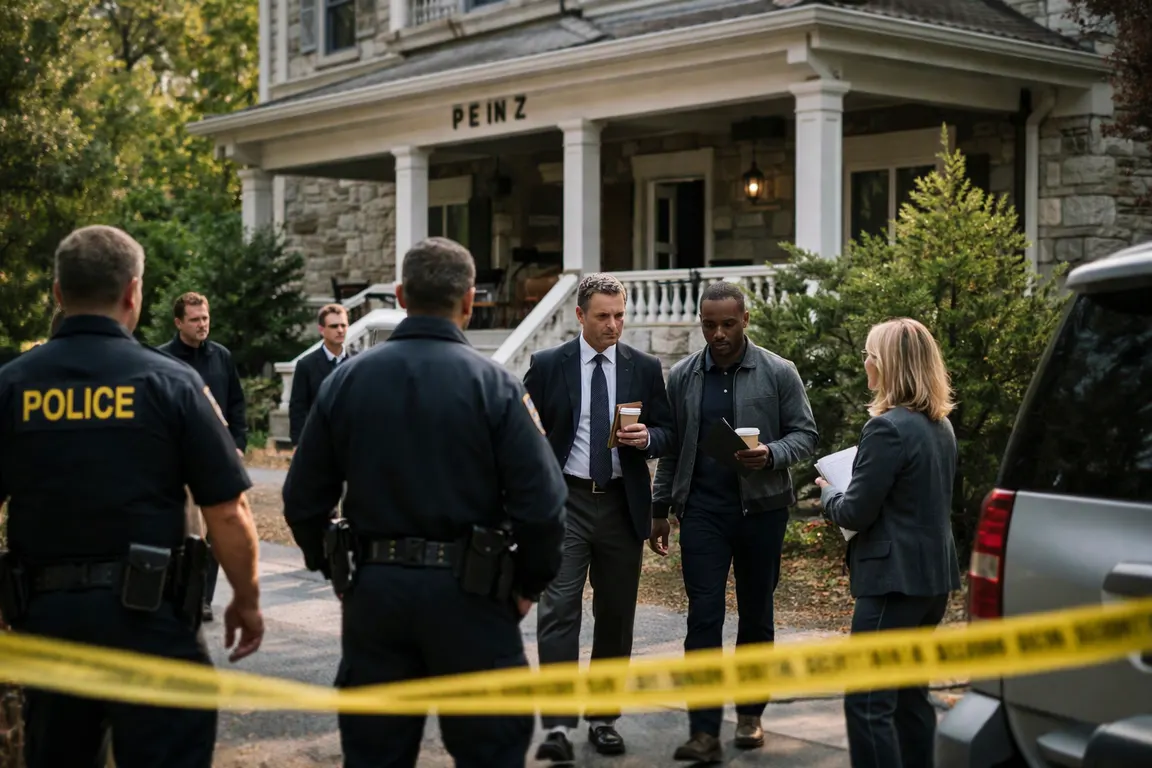
The Tompkins County DA investigation is being reopened after a civil lawsuit alleged that Cornell University and the Chi Phi fraternity mishandled evidence in an alleged gang rape case. The district attorney’s office announced Thursday it will review any additional evidence and consider presenting the case to a grand jury.
The lawsuit, filed by a former student identified as Jane Doe, claims she was drugged and sexually assaulted by seven Chi Phi brothers on Cornell’s Ithaca campus in August 2024. Doe filed a police report shortly after the incident, but only the first‑responding officer interviewed her. The DA’s office later declined to file charges, a decision that was defended publicly but not explained in the available filings.
In response to the lawsuit, the DA said it will review any additional evidence that may exist and will consider presenting the case to a grand jury. Prosecutors have not indicated whether new forensic material, witness statements or other records have been located since the civil suit was filed. No arrests or criminal charges have been made to date.
The case has drawn attention from several news outlets. The New York Post highlighted the alleged loss of evidence and questioned the thoroughness of the original investigation. NBC News reported the DA’s prior decision not to charge and reiterated the lawsuit’s claims without confirming the existence of missing files. The Independent noted that prosecutors intend to seek new evidence, though none of its sources could verify what, if any, evidence remains.
Legal scholars say the reopening is unusual because civil litigation rarely prompts a prosecutor to revisit a closed case. The move could set a precedent for how state attorneys handle complaints that involve alleged evidence mishandling by law‑enforcement agencies or university officials. At the same time, the lack of clarity about why the original investigation was halted leaves open the possibility that procedural deficiencies, rather than a lack of evidence, influenced the earlier decision.
For Cornell University, the lawsuit and the DA’s action arrive amid broader scrutiny of its Title IX processes. While the university’s official response was not detailed in the sources, the allegations suggest that internal reporting mechanisms may have failed to preserve critical documentation. Administrators may soon be pressured to review policies on evidence retention, victim‑interview protocols and cooperation with local prosecutors.
The next steps are straightforward but uncertain. Prosecutors will conduct a forensic review of any remaining files, interview witnesses who have not yet spoken to law enforcement and decide whether to present the case to a grand jury. The outcome will determine whether criminal charges are filed against any of the seven fraternity members named in the civil complaint. Until a decision is made, the alleged victim and the accused remain in legal limbo, and the campus community watches for signals about how similar cases will be handled in the future.