

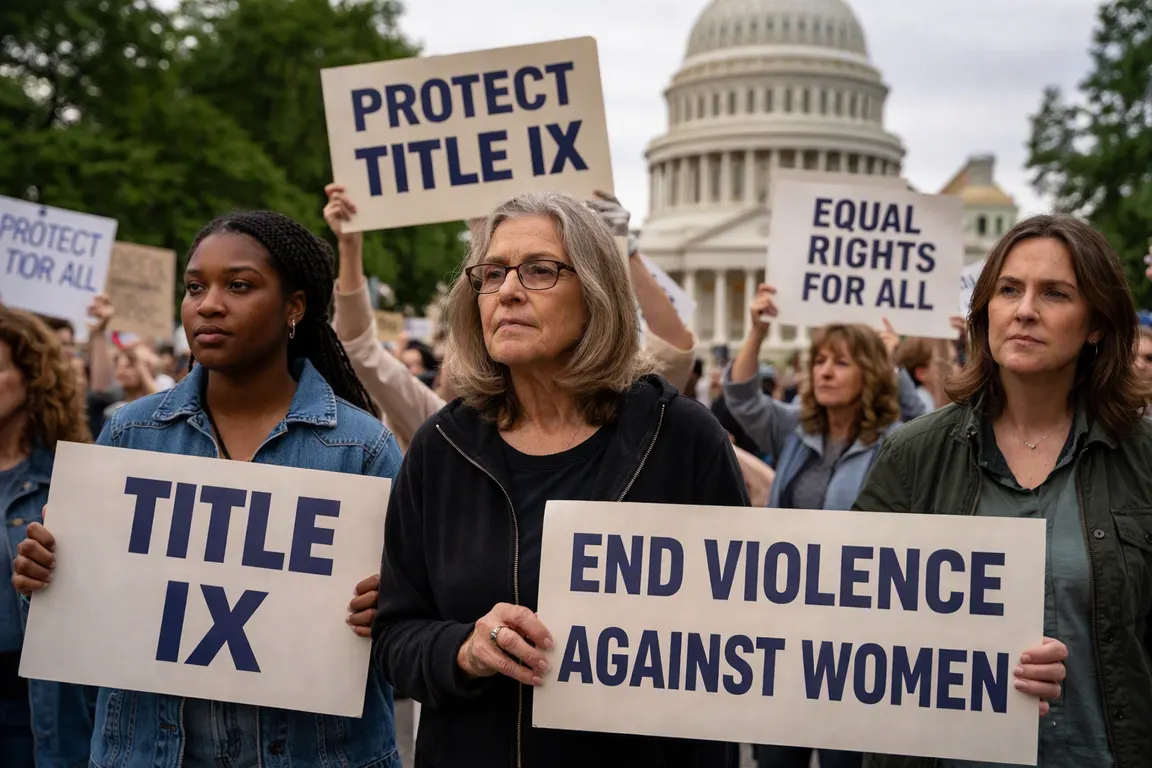
Gloria Steinem, co‑founder of Ms. magazine and longtime advocate for gender‑equity legislation, died at age 92 in early May 2024. Her passing has revived discussion of Title IX and VAWA, the federal policies she helped shape.
Steinem’s early work centered on expanding political representation for women. In 1971 she helped launch the National Women’s Political Caucus, an organization that has backed thousands of women candidates. The following year she founded Ms. magazine, a platform that amplified feminist issues and built public support for the 1972 Title IX amendments, which prohibited sex discrimination in any education program receiving federal funds.
During the 1990s Steinem turned her focus to violence against women. She testified before Congress and coordinated with survivor‑centered NGOs to secure bipartisan backing for VAWA, which was enacted in 1994 and re‑authorized three times. Each renewal added funding for shelters, legal assistance and law‑enforcement training.
Tributes flowed from Vice President Kamala Harris, former Secretary of State Hillary Clinton, media executive Oprah Winfrey and many others, underscoring Steinem’s broad influence. Major outlets—including NBC News, Al Jazeera, The Independent and The American Spectator—reported her death. The Spectator’s editorial offered a more critical view, questioning whether the feminist movement’s institutional gains have kept pace with its cultural ambitions.
No new legislation was announced in response to her death, a reminder that personal tribute does not automatically translate into policy action. Advocates note that while Title IX and VAWA remain cornerstones of gender‑equity law, enforcement gaps persist. Title IX complaints have risen in recent years, and several courts have narrowed the rule’s scope, prompting calls for stronger federal oversight. VAWA’s funding, though regularly renewed, is often debated in budget negotiations, leaving many survivor services under‑resourced.
Contemporary feminist groups are invoking Steinem’s legacy to rally support for next‑generation initiatives. Organizations such as the Center for Reproductive Rights and the National Partnership for Women and Families cite her blend of media advocacy and legislative lobbying as a model for campaigns on paid family leave, equal pay and LGBTQ+ protections. Critics, including the Spectator columnist, argue that Steinem’s focus on high‑profile legislation left broader economic inequality insufficiently addressed, a point echoed by economists who note that wage gaps remain despite anti‑discrimination statutes.
The debate over Steinem’s impact highlights unfinished policy fronts. Activists call for comprehensive pay‑equity legislation, stronger protections for gig‑economy workers and expanded funding for reproductive health services. These areas, they say, represent the next chapter of the feminist agenda.
As the nation reflects on Steinem’s life, the measure of her legacy will be less about new proclamations and more about whether lawmakers and advocacy groups can turn her historic victories into tangible advances for today’s women and girls.