

Third‑Country Deportations Raise Safety, Legal and Fiscal
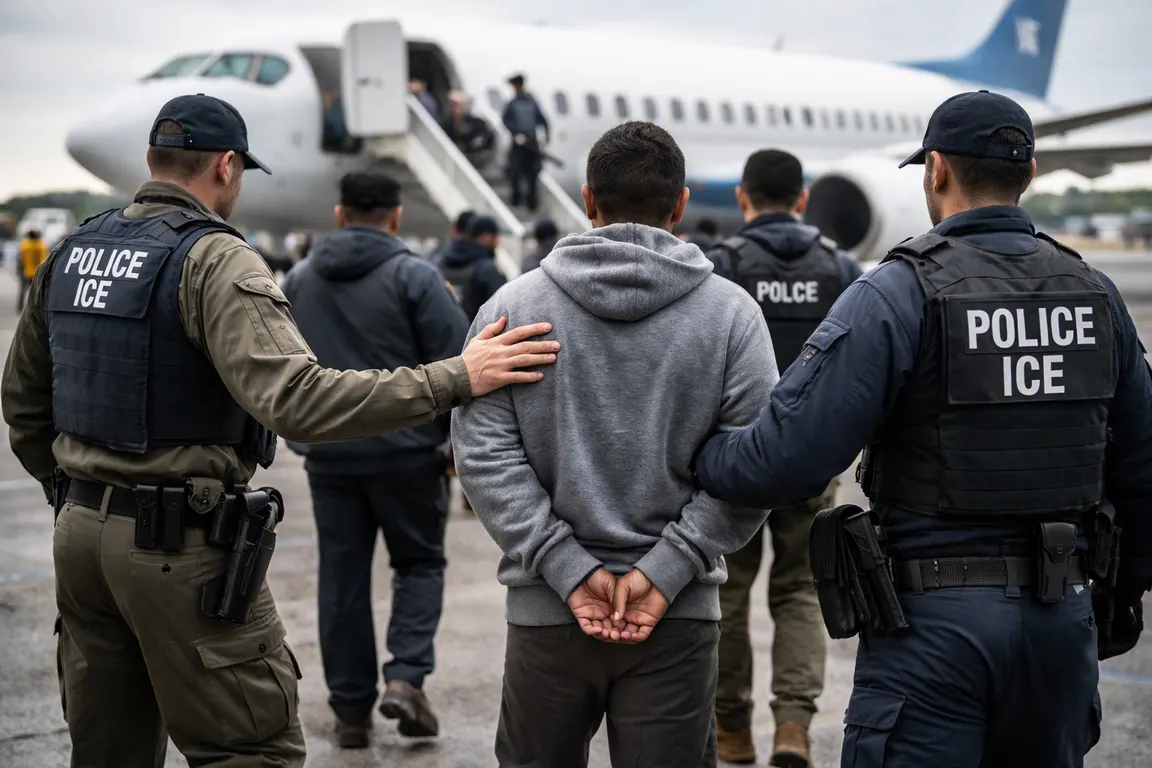
When Immigration and Customs Enforcement agents pepper‑sprayed photographer John Abernathy at a Minneapolis protest in June 2024, the incident put a spotlight on a little‑known program of third-country deportations that sends migrants to nations with which they have no legal ties. The video of the assault, widely shared by news outlets, marked the first public clash between ICE and a member of the press since the agency expanded its removal efforts.
Under secret agreements negotiated in 2023, ICE can transfer individuals to “third countries” that are not their country of origin and often are not parties to U.S. asylum obligations. Detainees are frequently moved without being told where they will be sent, and the destination is omitted from official records. The lack of transparency has spurred legal challenges and congressional inquiries into oversight, taxpayer costs, and the safety of both migrants and journalists covering enforcement actions.
Investigations by The Guardian and World News have documented several high‑profile cases. In early 2024 an Iranian woman was deported in shackles on a flight that displayed an African nation on the in‑flight map only after takeoff, confirming she had no prior knowledge of her destination. In another case, an Iranian Christian was sent to Panama, where U.S. officials admitted there was no follow‑up plan for his resettlement. Both incidents illustrate the program’s opacity and the human toll of forced relocation to countries with which detainees have no legal claim.
Financially, the operation appears to cost taxpayers millions of dollars. A Guardian cost analysis estimated the expense in the low‑million range, while a World News investigation traced the repurposing of the Trump‑era refugee bureau into a $410 million deportation effort. Exact budget line items remain unclear, but the figures suggest a substantial allocation of resources to a system that operates with limited public scrutiny. Critics argue the expense is disproportionate to any measurable security benefit and that the lack of transparent accounting hampers accountability.
The presence of hundreds of masked, armed ICE agents in Minneapolis during the June crackdown underscored the scale of enforcement. Journalists covering the protests have faced detention, deportation and physical harm, revealing a pattern of press suppression that conflicts with First Amendment protections. The pepper‑spraying of Abernathy, a veteran reporter, prompted immediate condemnation from press‑freedom groups and highlighted the vulnerability of reporters documenting government actions.
Legal challenges are now emerging. Civil‑rights organizations have filed suits alleging violations of due‑process rights and international law, while congressional committees have launched inquiries into the secret agreements and the program’s compliance with U.S. obligations to asylum seekers. Lawmakers are demanding greater transparency about destination countries, the criteria used to select them, and mechanisms for monitoring the wellbeing of deported individuals.
The next steps will likely involve court rulings on the legality of third-country transfers and potential legislative reforms to tighten oversight. Until then, migrants continue to face forced relocation to unknown lands, journalists remain at risk while covering enforcement actions, and taxpayers bear the cost of an operation that largely operates out of public view.