

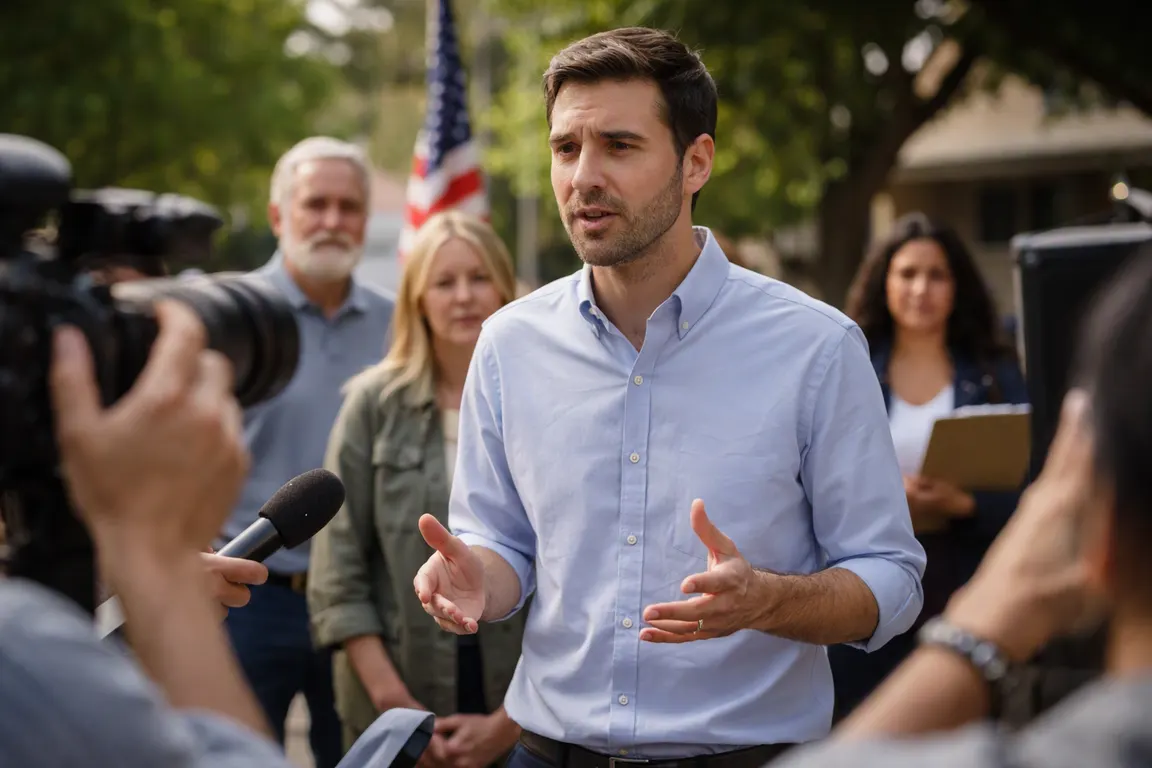
James Talarico, the 37‑year‑old Democratic nominee for Texas’s open U.S. Senate seat, was absent from campaign events for 12 days in early October, returning on Oct. 15 after citing a severe case of the flu. The break, which spanned Oct. 2‑14, coincided with a concerted voter‑outreach push ahead of the March 5, 2025 primary and left volunteers, donors and voters without clear guidance.
Talarico’s campaign announced the flu diagnosis on Oct. 2 and halted all public appearances. No medical records were released; subsequent statements from campaign staff were limited to noting that the candidate was “recovering.” During the same period, his Republican opponent continued to hold rallies, town halls and media appearances, maintaining a visible presence in the race.
The timing matters because the primary is expected to be a decisive contest for control of the U.S. Senate. In a state with more than 15 million registered voters, even modest shifts in turnout can affect the final composition of the chamber. The pause in Talarico’s outreach meant missed opportunities for voters to hear his positions on immigration, energy policy and federal funding for Texas infrastructure—issues that typically drive voter decisions in Senate races.
Campaign staff and local volunteers reported uncertainty about scheduling and fundraising during the hiatus. Some organizers said door‑to‑door canvassing was suspended, and a handful of donors expressed hesitation until clearer information emerged. Election officials declined to comment, noting that personal medical matters fall outside the Texas Secretary of State’s jurisdiction.
Media reaction was mixed. The American Spectator called the absence “puzzling” and urged scrutiny, while the New York Post reported the flu explanation with less critical analysis. Neither outlet provided independent verification of the illness, leaving the cause of the hiatus uncertain and highlighting how partisan‑leaning sources can shape public perception when concrete evidence is lacking.
Election‑watch groups used the episode to remind candidates of the importance of timely communication, especially when health issues intersect with voter‑outreach deadlines. As the campaign resumes, Talarico has pledged to provide regular updates on his health and campaign activities.
Observers will watch how the Republican opponent leverages the period of inactivity, potentially framing it as a contrast in campaign vigor. If the health issue proves genuine, the incident could prompt parties to develop clearer protocols for communicating medical setbacks—practices that remain informal in most state races.
The episode underscores a broader question for Texas elections: how should candidates balance personal health privacy with the public’s right to timely information in a race that could shape national policy? With the primary less than six months away, the answer may influence not only this contest but also future expectations for candidate transparency.