

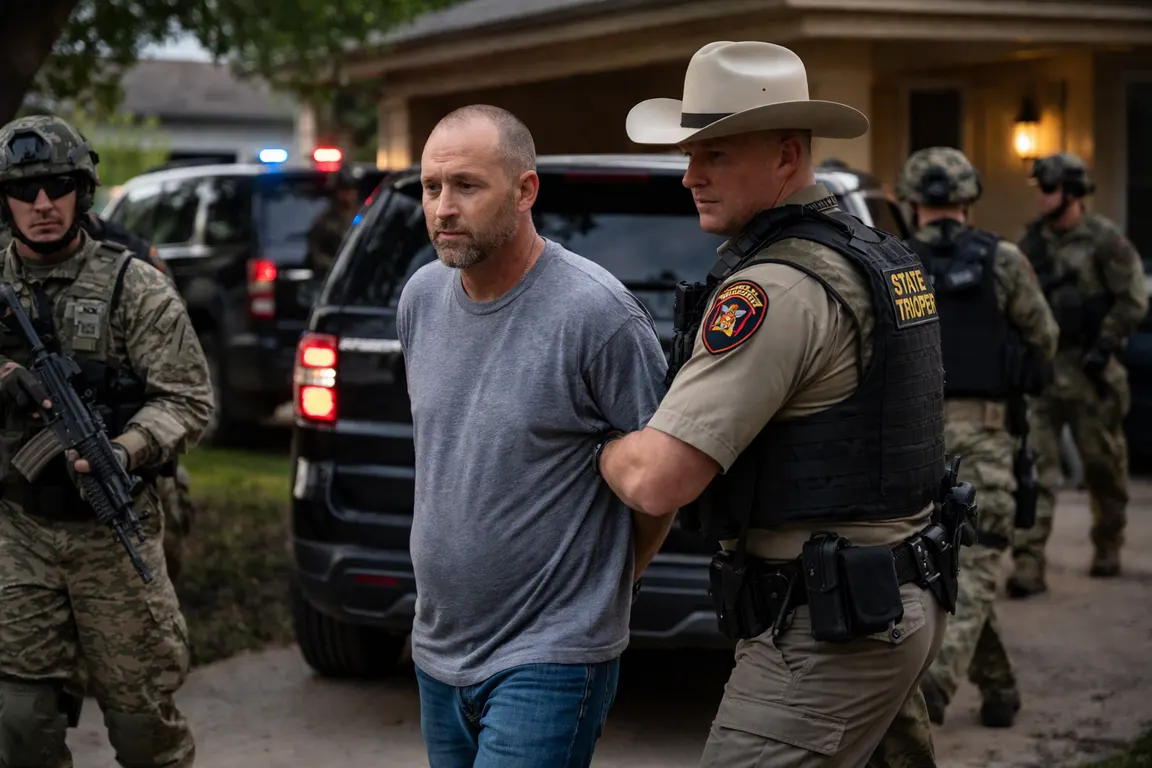
A Texas Department of Public Safety officer arrested 40‑year‑old Benny Caldera Jr. Wednesday morning at his Austin‑area home on suspicion of planning a violent assault as part of a Texas Capitol plot the following day.
DPS said the arrest was based on "credible information" that a plot was underway for Thursday. The swift action prevented a potential attack on the state’s legislative hub and highlighted the ongoing domestic‑terror threat facing the capital.
Caldera was taken into custody early Wednesday after agents acted on a lead indicating a planned assault. He was released on bond later that day; the bond amount was not disclosed. DPS did not release details about the tip, any weapons seized or any extremist affiliations.
The lack of information on motive or ties leaves questions about the broader threat landscape. The Guardian, The Independent and NBC News all reported the core facts—Caldera’s age, the timing of the planned attack and the target—but provided no insight into whether the plot was part of a larger network or a lone‑wolf effort.
In response, law‑enforcement officers, National Guard units and private security contractors were deployed around the Capitol. Access to certain public areas was temporarily restricted and staff were instructed to follow heightened safety protocols. Officials said the increased presence was a precaution until investigators could determine if any additional threats remained.
State officials have not announced permanent changes to Capitol security, but the incident is expected to prompt a review of existing protocols. DPS and Capitol Police routinely assess threat assessments, and a foiled plot typically leads to adjustments in surveillance, communication with federal partners and resource allocation for intelligence gathering.
The case also feeds into ongoing policy debates in Austin. Lawmakers have been discussing funding for counter‑terrorism units and better integration of state and local intelligence databases. An incident that required rapid mobilization of resources could influence upcoming budget discussions, potentially directing more money toward training, technology and inter‑agency coordination.
Public records have not revealed any prior arrests, extremist affiliations or a clear motive for Caldera. Law‑enforcement officials declined to comment on the investigative methods that produced the tip, citing operational security.
The legal process will determine the charges Caldera faces. In Texas, plotting a violent attack on a government building can carry lengthy prison terms, but the exact charges have not been made public. A preliminary hearing is expected in the coming weeks.
The arrest underscores that threats to public institutions can emerge quickly but can be neutralized through coordinated intelligence work. While the Capitol remains secure for now, officials stress the need for continued vigilance, transparent communication with the public and ongoing investment in capabilities that enable law‑enforcement to intervene before violence occurs.