

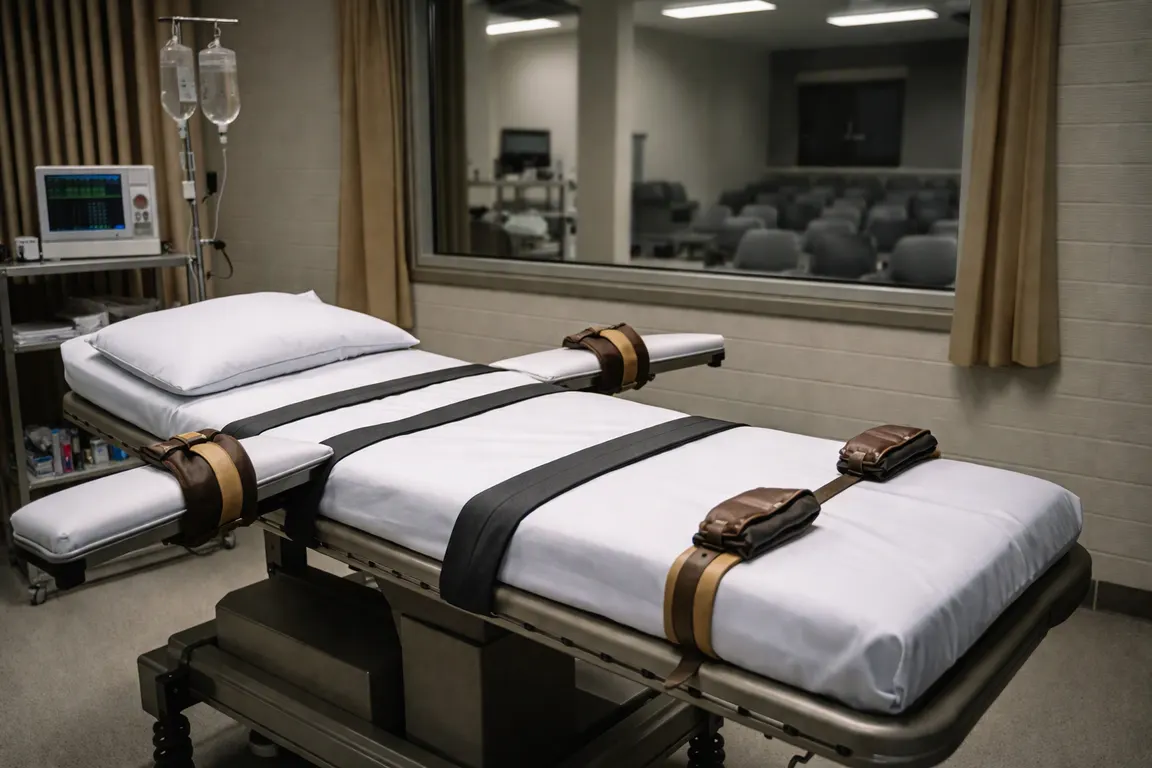
Tennessee officials attempted a lethal injection on 50‑year‑old Christa Pike on Oct. 2, 2024, using two doses of pentobarbital. The first dose failed to cause death; a second dose was given, but the mixture burned and blistered Pike’s arms. She was placed on a ventilator at a Nashville hospital and remains unconscious, her lawyer Stephen Ferrell said on Oct. 6.
The botched execution has reignited scrutiny of the state’s lethal‑injection protocol. Department of Correction Commissioner Frank Strada resigned after the incident, and Governor Bill Lee has ordered an independent investigation headed by former U.S. Attorney Ed Stanton. Lawmakers, advocacy groups and victims’ families are demanding full disclosure of execution records and a review of the drug regimen that could affect all death‑row inmates in Tennessee and other states that use similar protocols.
Pike was sentenced to death for the 1995 murder of her former classmate, Colleen Slemmer, in Knoxville. Earlier this year, an execution attempt on inmate Tony Carruthers failed because of IV complications, suggesting a pattern of procedural breakdowns. On the day of Pike’s execution, the U.S. Supreme Court briefly halted the process while reviewing a lower‑court order that required a jury‑sentencing review; the Court lifted the stay after an eight‑hour delay, allowing the execution to proceed.
Medical experts say the burns resulted from the caustic nature of the pentobarbital mixture, which must be precisely prepared for intravenous use. Questions about the chain of custody for the drugs and the competence of the prison‑based medical team have prompted calls for an external audit. Pike’s attorneys have asked Governor Lee to commute her sentence to life imprisonment, arguing that her uncertain medical condition makes any further execution attempts ethically and legally untenable.
The fallout could extend to civil liability for prison staff and contracted physicians if negligence is proven. The state may also face significant costs for Pike’s intensive care, the independent investigation and potential litigation from both inmate advocates and victims’ families. The episode adds pressure to the national debate over capital punishment, as other states that use pentobarbital watch closely for precedent‑setting findings.
Governor Lee’s order calls for a comprehensive review of drug sourcing, dosage calculations and IV insertion procedures, as well as an assessment of whether the Department of Correction’s training standards meet medical‑safety guidelines. If systemic flaws are uncovered, Tennessee could suspend pending executions while reforms are implemented.
Pike’s medical prognosis remains uncertain. Hospital officials have not released detailed assessments of the burn severity, and her legal team has not disclosed who holds her medical power of attorney. The lack of transparency fuels public skepticism about the state’s ability to carry out capital punishment without risking further harm.
A public briefing is scheduled for early next week, when commissioner‑designate Ed Stanton is expected to present preliminary findings. Until then, the case leaves Tennessee’s death‑penalty system at a crossroads, where a single botched execution could trigger sweeping reforms or deepen the controversy surrounding state‑sanctioned death.