

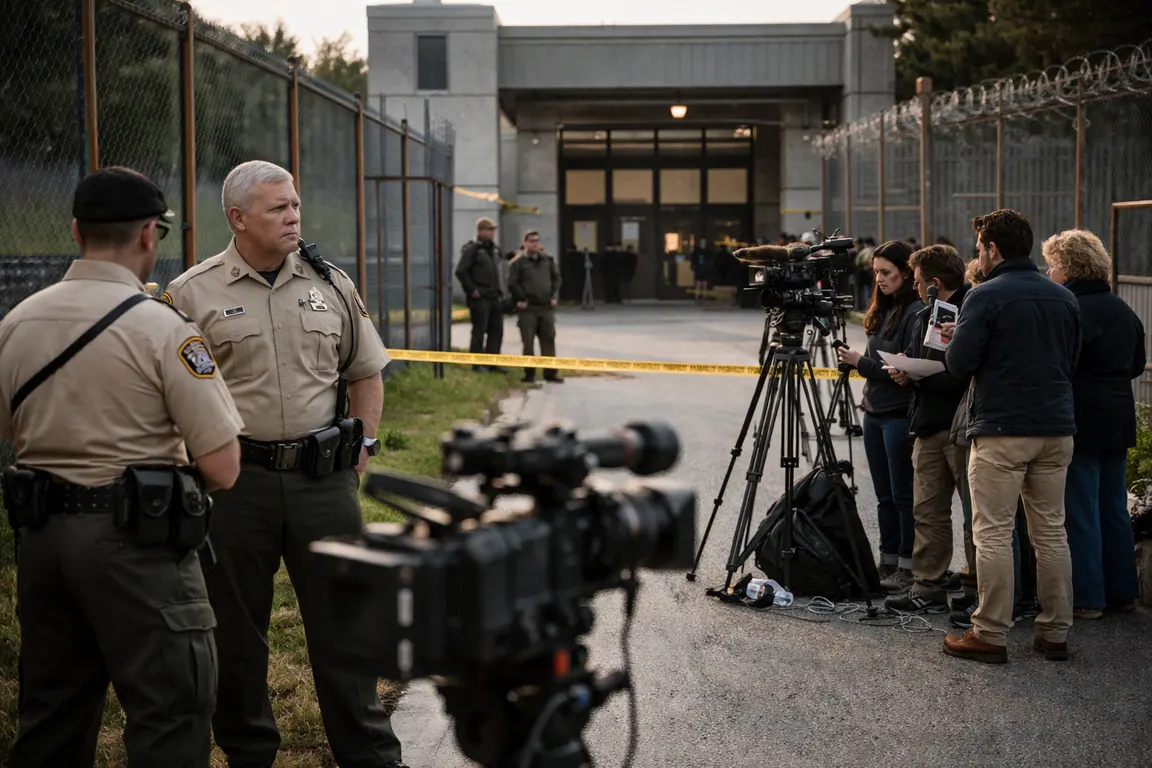
Tennessee Gov. Bill Lee ordered a statewide pause on executions Wednesday after a lethal‑injection attempt on death‑row inmate Christa Pike failed to cause death and left her on a ventilator for several days. The Tennessee execution pause was announced as officials assessed the botched procedure.
Pike, 50, survived two doses of pentobarbital, regained consciousness and was taken off life support six days later. The failed injection has triggered a review of the state’s lethal‑injection protocol and a legal fight over whether a second attempt would be permissible.
Pike was convicted in 1995 of the beating and stabbing death of classmate Colleen Slemmer. On June 5, 2024, Tennessee officials carried out the scheduled execution using a pentobarbital regimen. The drug did not produce a lethal effect; instead, Pike required intubation and mechanical ventilation. Six days after the attempt, she was reported conscious, speaking and breathing unaided, though she remained handcuffed to the bed and bore severe burns on her arms from emergency medical efforts.
Dr. Joel Zivot, an anesthesiology professor consulted by Pike’s attorneys, said her recovery could take weeks or months and that determining legal competency after such an event is unprecedented. In response, the governor’s office ordered a third‑party review of the procedure and suspended any further executions until the review is complete.
Pike’s lawyers have filed a motion in Chancery Court demanding that the Tennessee Department of Corrections preserve all evidence related to the failed injection, including drug lot numbers and detailed execution records. A status conference on the preservation request is scheduled for this Wednesday.
Legal scholars are split on whether a second injection would violate the Constitution. Some cite precedents allowing a repeat attempt if the first fails to establish a lethal intravenous line, arguing the state has not yet carried out the sentence. Others contend that a lethal dose was already administered, making any subsequent attempt a new punishment that likely breaches the Eighth Amendment’s ban on cruel and unusual punishment and the double‑jeopardy clause.
The controversy has also revived broader policy debates. U.S. Sen. Marsha Blackburn has called for exploring alternative execution methods, while advocacy groups are urging Tennessee to reconsider capital punishment altogether. The pause could delay all scheduled executions, affecting other death‑row cases and the state’s budget for capital cases.
Families of victims, including Slemmer’s relatives, expressed a mix of grief and frustration, emphasizing the need for closure while acknowledging the distress caused by the botched execution.
The upcoming status conference will decide whether the court compels preservation of execution evidence and may set a timetable for the third‑party review’s findings. Those findings will determine whether Tennessee proceeds with a second lethal injection, revises its protocols or suspends executions indefinitely. As the legal battle unfolds, the nation watches to see whether Pike’s near‑death becomes a precedent that reshapes the death‑penalty landscape across the United States.